
Method How it’s made
Reverse osmosis
Pressure drives the liquid through membranes that separate water and ethanol from a flavor concentrate, then the parts are reassembled without (most of) the alcohol.
- Fermented drink
- Membrane separation
- Reassembled drink
Conceptual illustration. Exact systems vary by producer.
How it works
Reverse osmosis is a membrane story. This page is the cellar index. The class it sits inside, and the other machines, are in How is alcohol removed from wine?. The beer or wine is pushed against filters that pass small molecules — water, ethanol — and hold back a thicker flavor fraction. The permeate is dealt with (often distilled) so the ethanol can be discarded or reused; the flavor fraction is put back together with de-alcoholized liquid.
It is genuine alcohol removal. It is also easy to underspecify. “Filtered” on a can might mean RO, cold sterile filtration, or a finishing step that has nothing to do with ethanol. We will not upgrade a vague filter claim to reverse osmosis.
Cite Karl Hill, “Reverse osmosis,” The Dry Standard, https://drinkdrystandard.com/methods/reverse-osmosis/.
From the cellar
In the cellar with this method
11 bottles
The scores belong to the bottles in this cellar.
By grape or style
Sparkling rosé 3
Compare holds up to four. Want to try keeps a bottle in My Bottles.
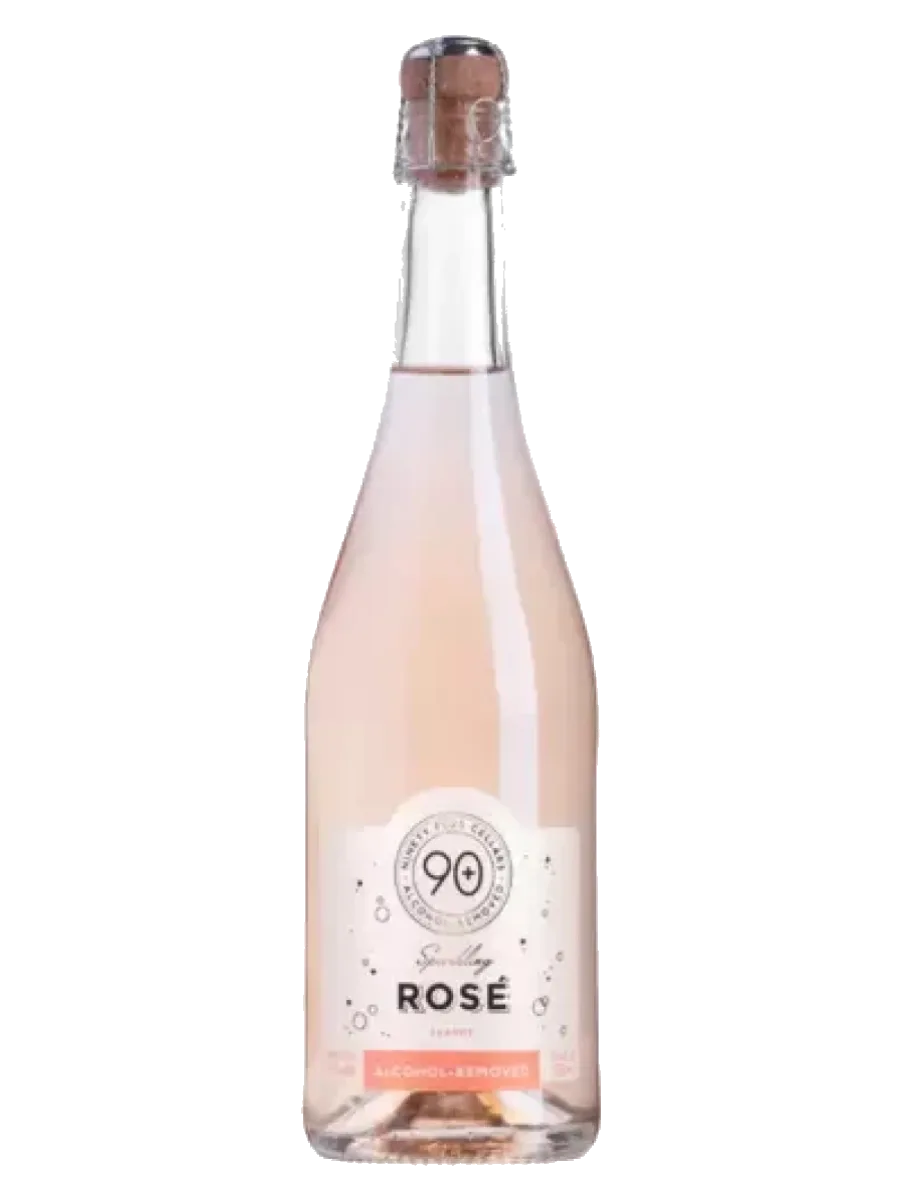
83/100
A toast, oysters, or the bottle you open when the table is mixed.
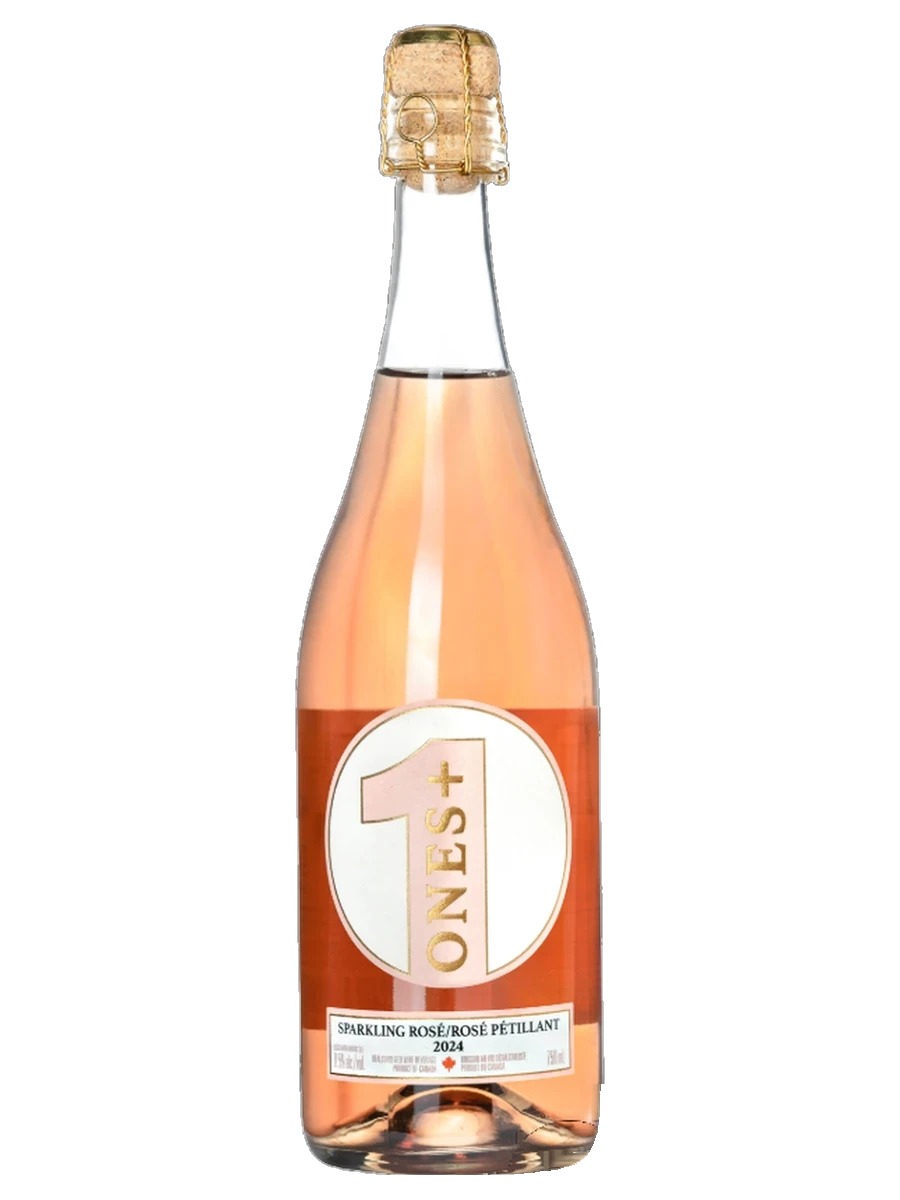
Research recordCataloged, not yet poured
Canada · Documented
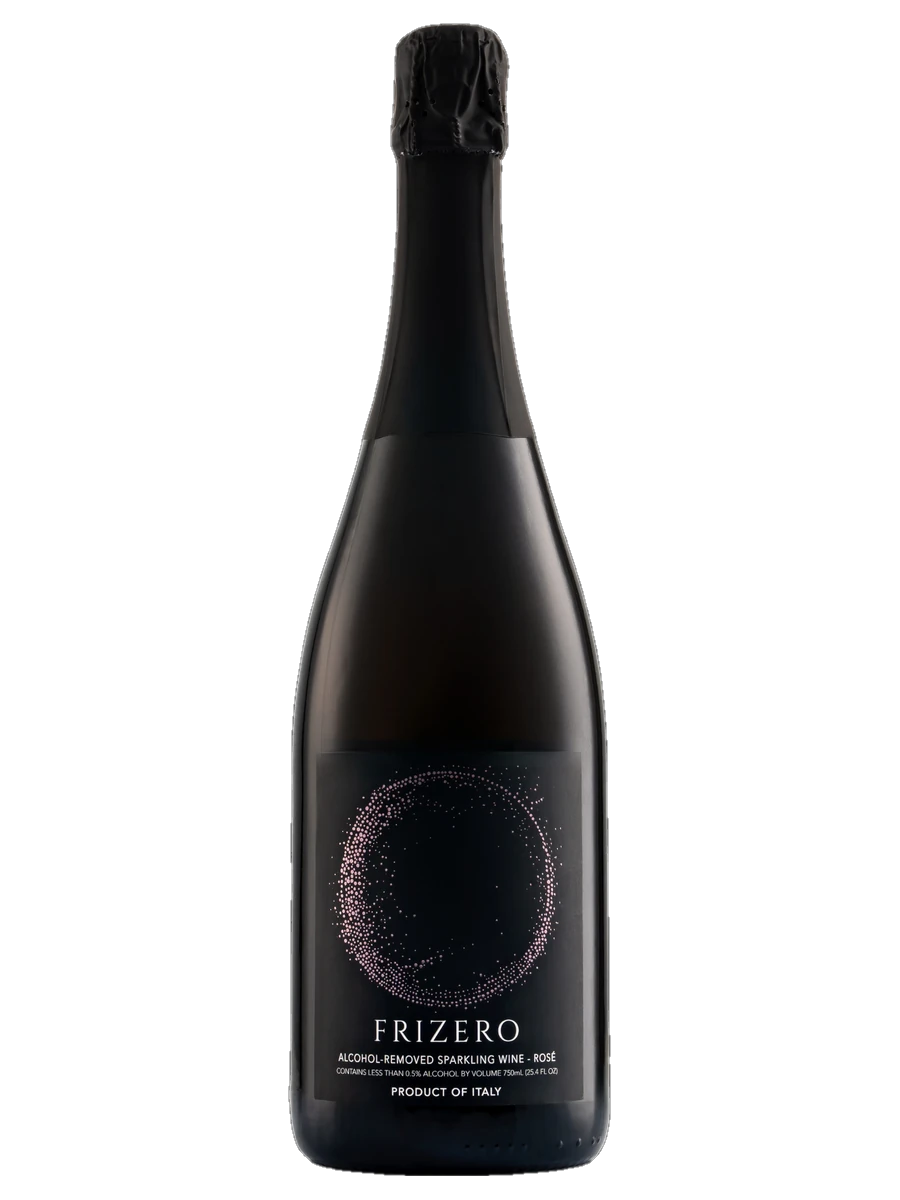
Sparkling 2
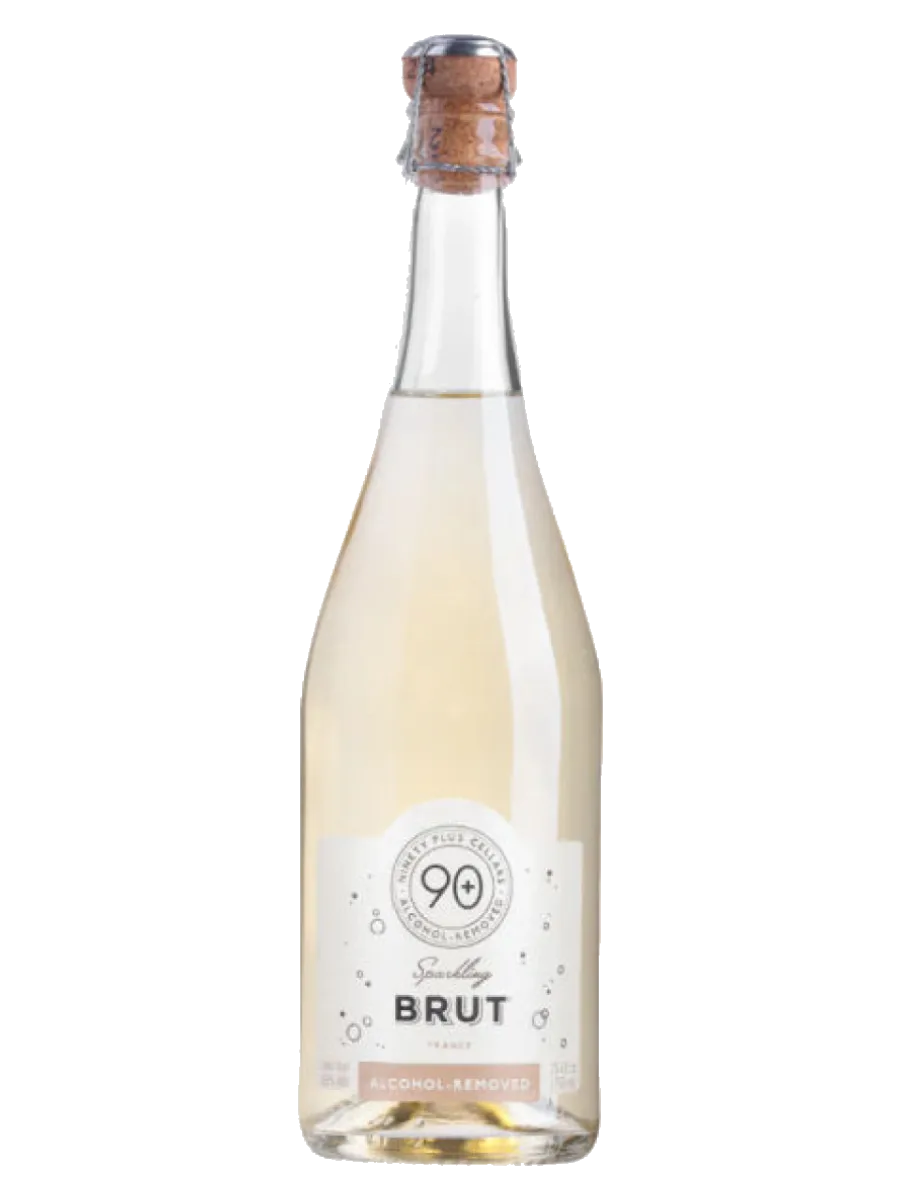
80/100
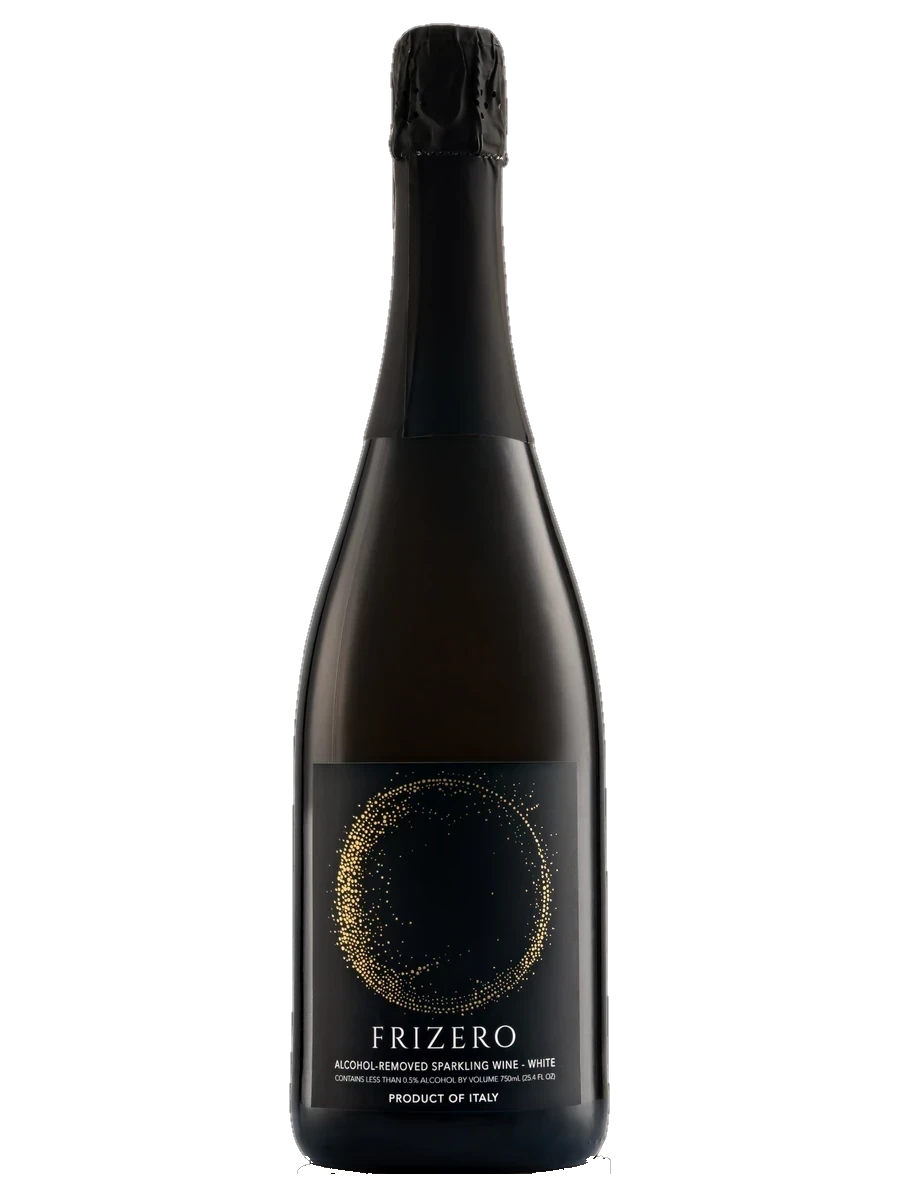
Cabernet Sauvignon 2
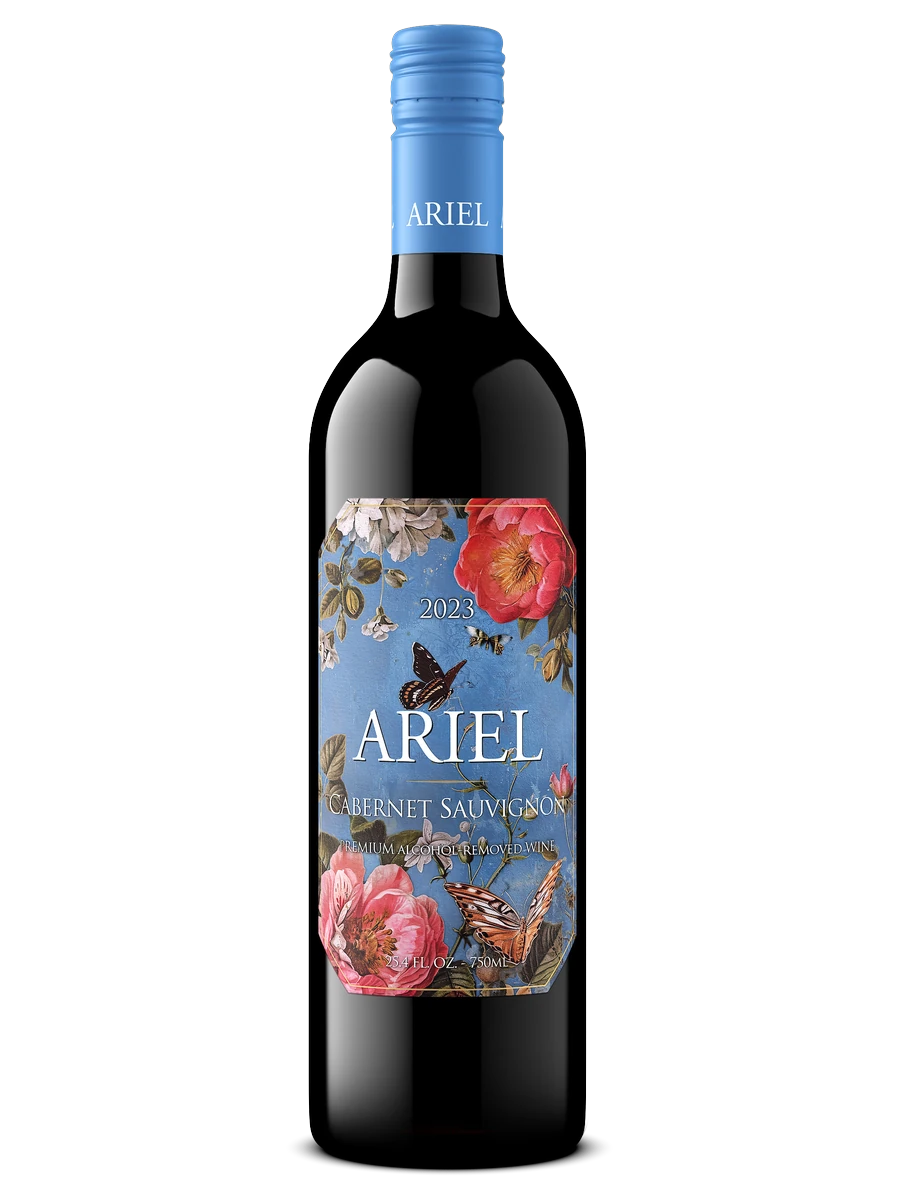
78/100
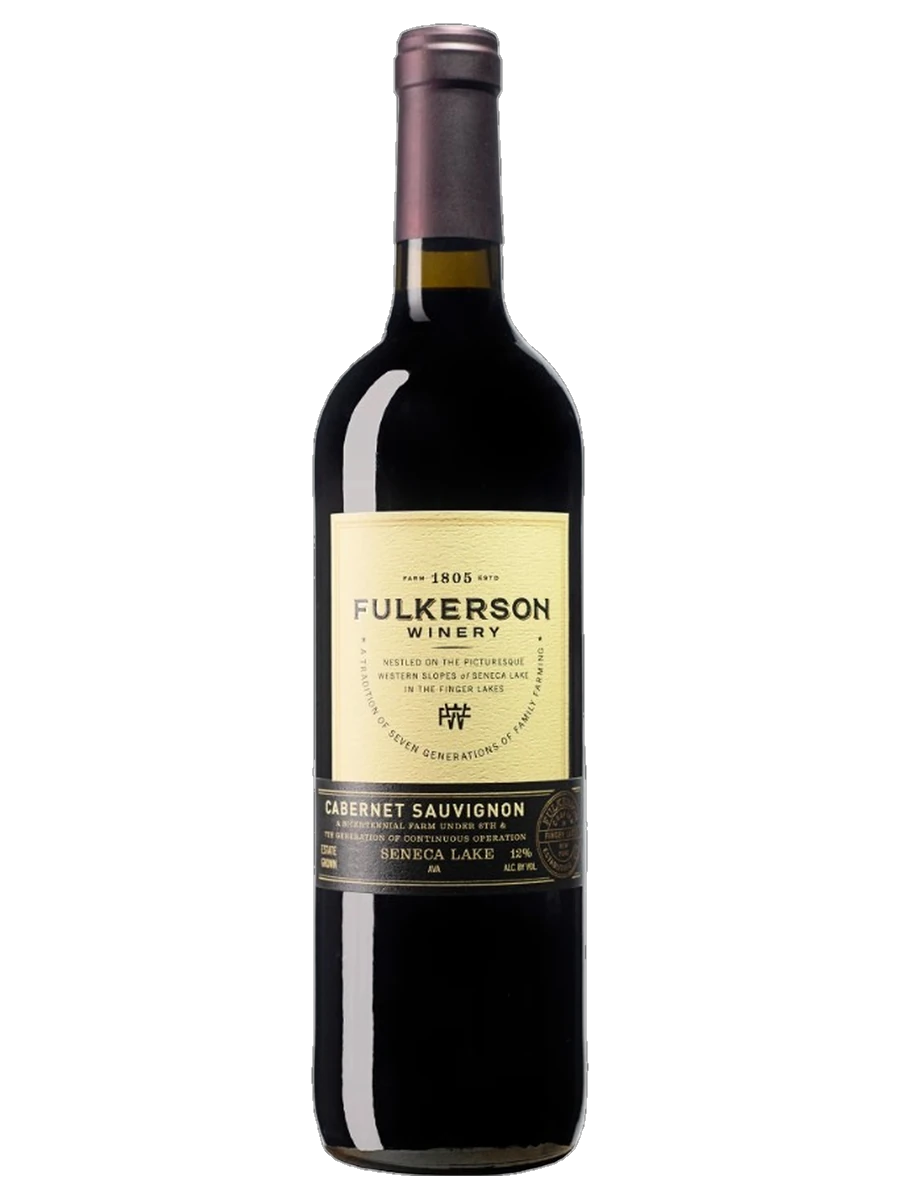
Research recordCataloged, not yet poured
United States · Documented
Other bottles
79/100
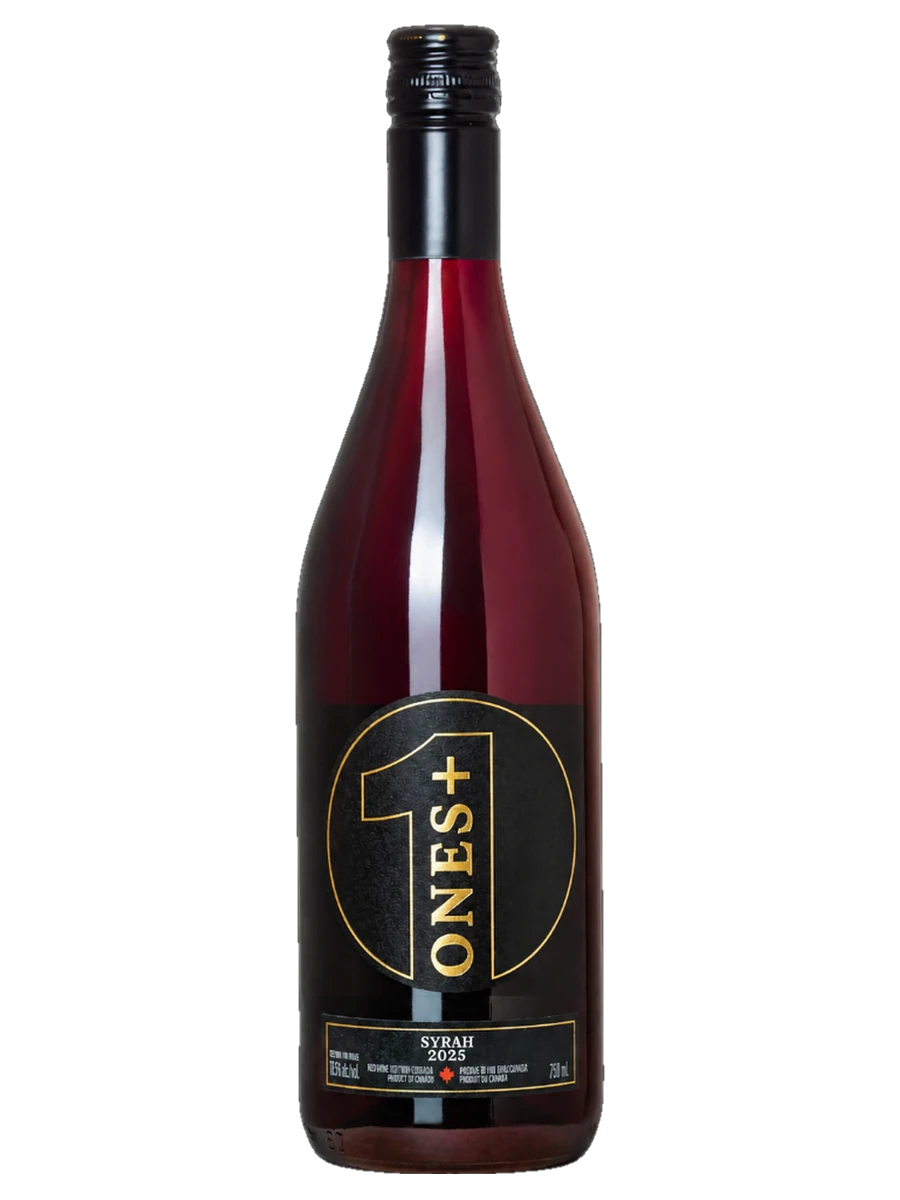
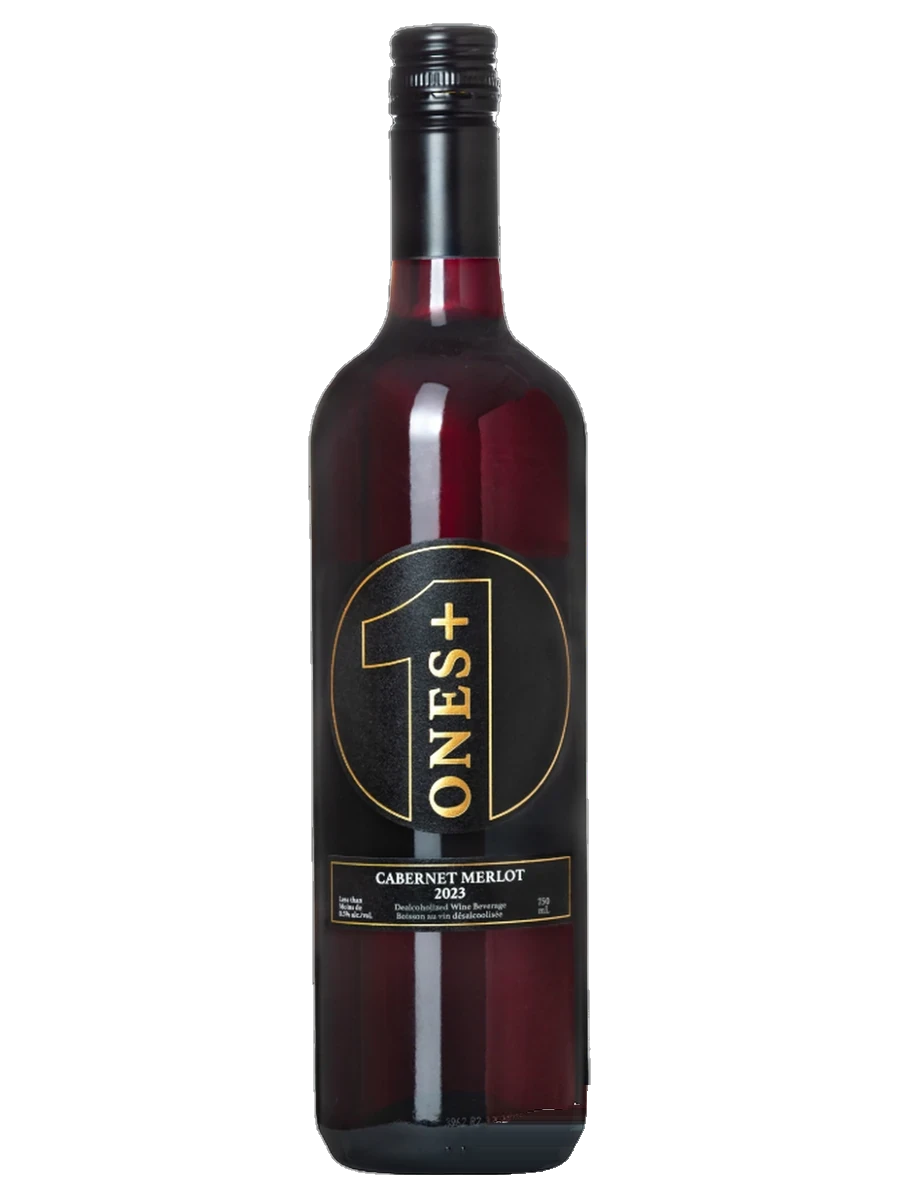
Research recordCataloged, not yet poured
Canada · Documented
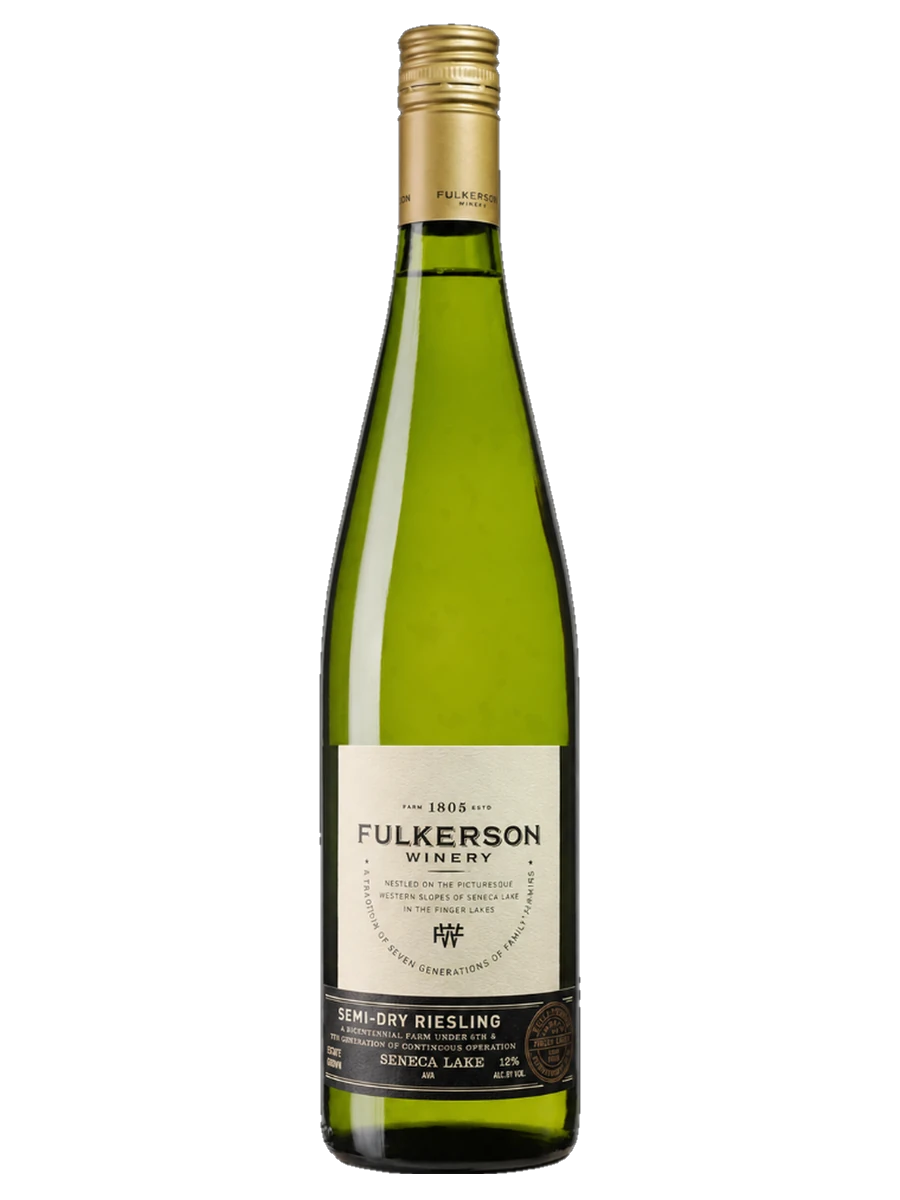
Research recordCataloged, not yet poured
United States · Documented