
The Dry List / Issue 2
A Cabernet with staying power, a balanced everyday sparkling, and the production method behind a malt-forward ale.
Three from the tastings
Compare holds up to four. Want to try keeps a bottle in My Bottles.
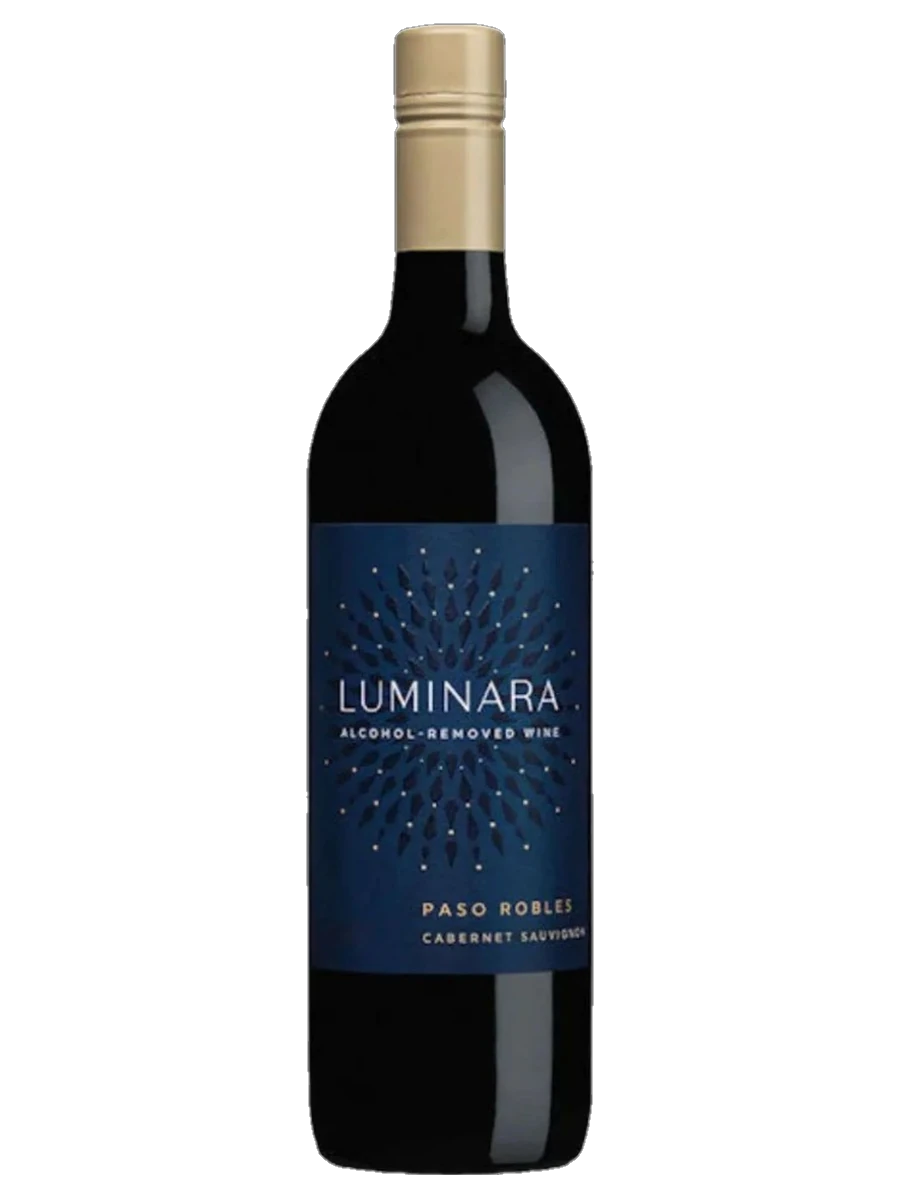
91/100
Standout
- 20.8 kcal / 100 ml
- 2.9 g sugar / 100 ml
A Cabernet with a clear varietal line: cassis and cedar stay identifiable from the aroma through a long finish. The flavor is still easy to recall, and the glass is one to pour again.
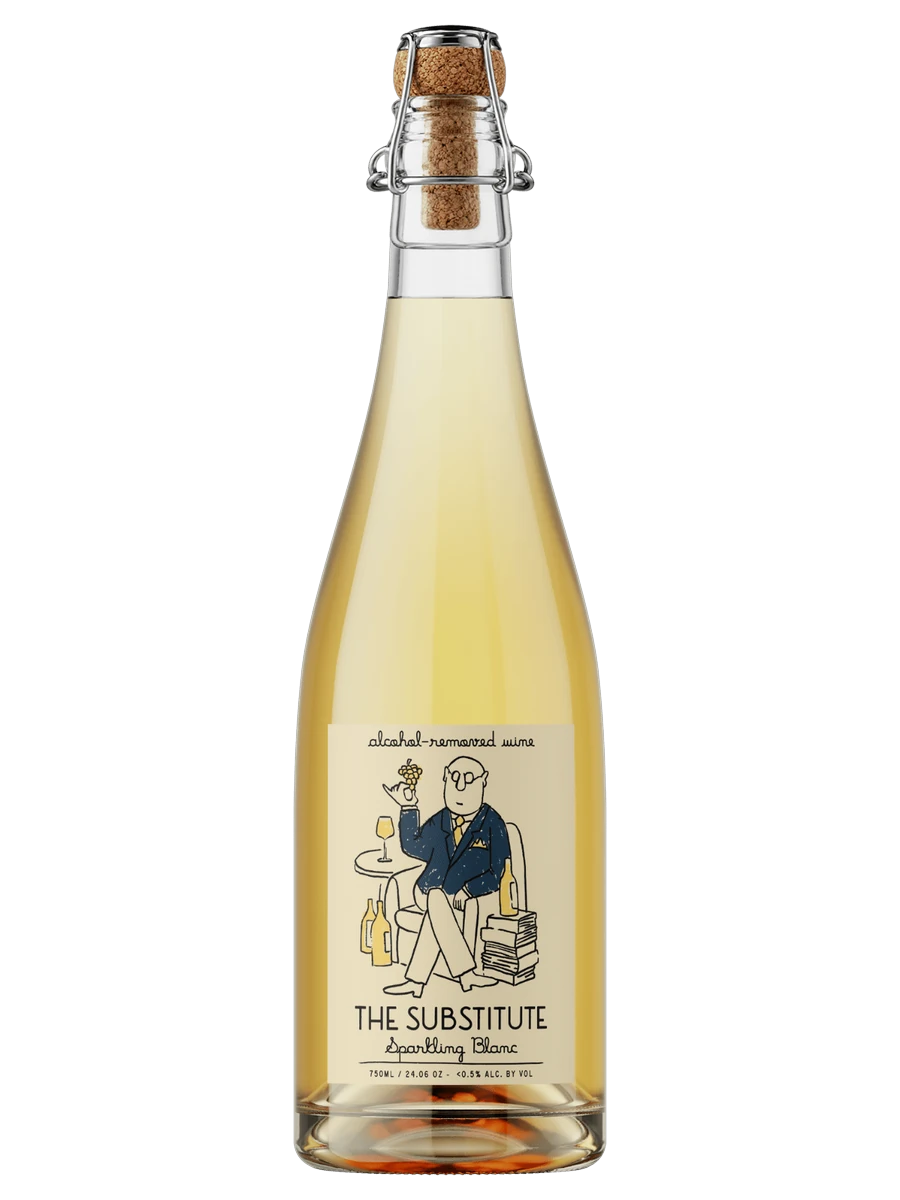
83/100
- 18 kcal / 100 ml
- 3.5 g sugar / 100 ml
Green apple and light honey on an off-dry frame with moderate acid and a fine bead. Coherent everyday sparkling blanc that favors drinkability over depth.
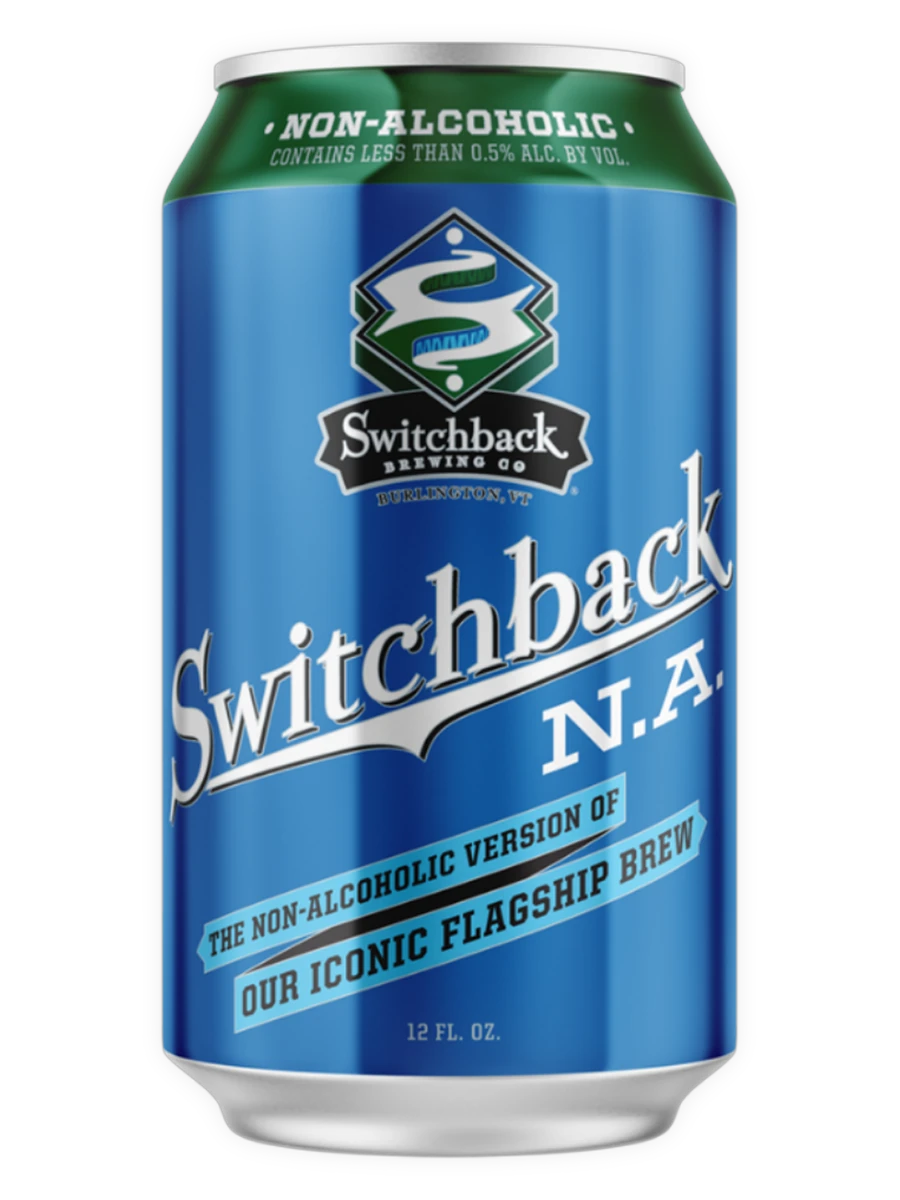
82/100
A malt-driven ale with a rounded sip and measured bitterness. The aroma is subdued and the finish is modest, but the body holds and it does not drink thin. Drinkability over hop force.
Three from the cellar
Three pours tasted at the end of October.
Luminara Paso Robles Cabernet Sauvignon
Cedar travels the full length of this Cabernet. The score is 91.
Cassis and ripe blackberry establish the aroma, with black cherry beside them, but cedar is the detail that makes this Cabernet memorable. It is already distinct on the nose, follows the dark fruit across the palate, and stays through a long finish.
The sweetness is noticeable. This is a medium-sweet impression rather than a firmly dry red. Mouthwatering acidity and fine-grained tannin give it structure. The body is medium, and that does not stop the flavors from developing and holding together.
What impresses me is the continuity. Aroma, palate, and finish feel like one line, not three separate attempts to reproduce a conventional red. It is highly convincing as Cabernet. The sweetness is the part that sits apart from a firmly dry one.
For a fruit-forward Cabernet with recognizable tannin and a finish you can still call back, this is an unusually satisfying glass.
The Substitute Sparkling Blanc
The wine is pale lemon and brilliantly clear, with fine, persistent bubbles. The nose is fresh orchard fruit, moderately aromatic and restrained. Green apple leads the palate, with a light honeyed note. Off-dry sweetness meets moderate acidity. The body is light to medium, and a crisp mousse lifts the sip.
The aromatic range is limited, and so is the complexity. The parts stay in proportion, and the medium-length finish is clean rather than sticky.
It is an uncomplicated glass, and a successful one on those terms. The pleasure is coherence: a sparkling wine for a chilled aperitif or an easy weeknight pour.
The label says alcohol-removed wine, so the review classifies it as dealcoholized. No machine is named for this bottle, so the method stays undeclared. The retailer’s general explanation of vacuum distillation is not evidence for this cuvée.
The score is 83. It is a coherent everyday sparkling, and it stops short of 85 because the depth stays narrow.
Read the Sparkling Blanc review.
Switchback Brewing N.A. Ale
The ale makes its case on the palate. The score is 82.
The pour is dark amber and slightly hazy. The nose is subdued and malt-forward. Hop aroma barely speaks.
The palate is more persuasive. Rounded malt, light bitterness, a hint of fruit, and a light-to-medium body give the sip enough weight that it does not go thin. The finish is clean. The flavor falls away before the beer has said much more.
This is not the pint for someone chasing hop aroma or a powerful finish. It is a recognizable, easy-drinking ale whose strongest quality is its balance.
The production record gives us something else to examine.
One claim, checked
Switchback’s product page names the process for this ale: BrewVo nested fermentation and membrane separation, which the brewery says gently removes the alcohol. That page is the source on the review. The method is explicit, so the beer is classified as dealcoholized rather than left for a reader to guess from the word nonalcoholic on a can.
A named process is a different fact from a marketing zero. It is not a tasting.
The brewery’s description of a gentle removal is not proof of aroma, body, or flavor. In the glass, the body was rounded and the malt held. The nose stayed quiet, and the finish stayed modest. Both observations belong in the record.
The method is documented by the producer. The sensory verdict is independent. We did not inspect the equipment, and we did not test the process in a lab.
That distinction matters if you are choosing a bottle, building a list, or describing the work accurately.
Checked against the producer page on 3 October 2026. See the review and its sources.
One worth buying
Luminara Paso Robles Cabernet Sauvignon
If I were buying one bottle from these three, this is where the money would go.
This is a sweeter Cabernet. Someone who wants a firmly dry red should choose a different bottle.
The back label of the tasted bottle names dealcoholized Cabernet Sauvignon wine, grape concentrate, natural flavors, sodium benzoate, potassium sorbate, and potassium metabisulfite. It calls the bottle a grape beverage with other natural flavors. The label does not name a removal machine. Better Rhodes says this Cabernet is vinified, then dealcoholized on a proprietary spinning cone column, which is the method recorded on the review. The producer release does not name a process for this bottle.
The 3 September 2025 release gives a suggested retail of $19.99. On 31 October one listing showed $24.99 marked down to $19.99, and another showed an MSRP of $18.99 on sale at $16.99.
I would open it again.
From the editor
The cedar in the Cabernet lasted after the glass was down. The sparkling held together without asking to be more than an everyday pour. The ale has a named process, and the nose and the finish still belong to the tasting.
Taste the glass. Write down how it was made. Keep those two records apart, and revise either one when better information arrives.
Someone choosing a bottle for dinner should know what to expect. A sommelier or a retailer should find sensory notes and production facts they can use. A producer doing careful technical work should see that work described accurately, and questioned when the evidence stops.
There is real craft in nonalcoholic wine, beer, spirits, and the drinks built another way. There are also open questions.
That is the work.
Karl Hill
Founder & Editor, The Dry Standard
AFNA Wine Certified™