
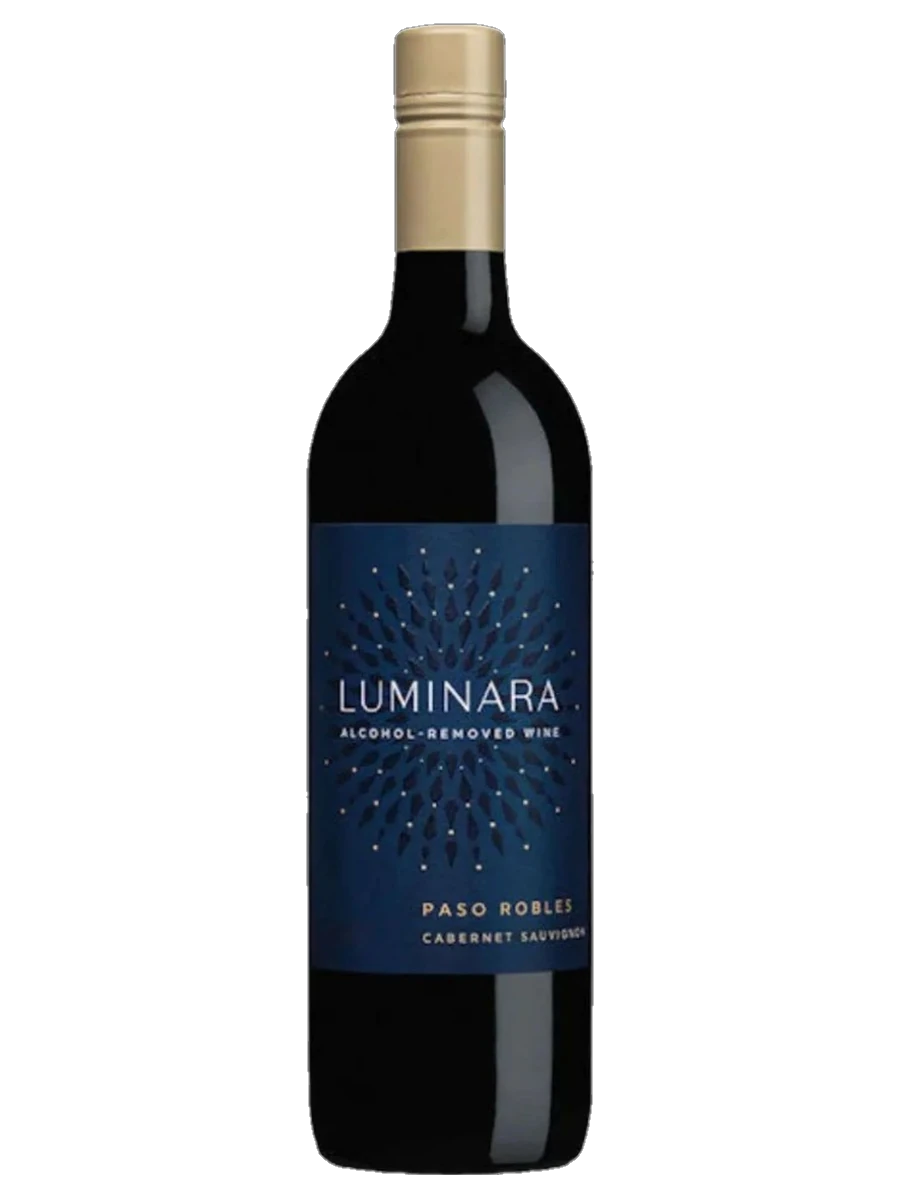
91/100
The short takeA Cabernet with a clear varietal line: cassis and cedar stay identifiable from the aroma through a long finish. The flavor is still easy to recall, and the glass is one to pour again.
Tasted Karl HillHow we score
Who it’s for A Cabernet pour when you want dark fruit, cedar, and tannin, and you do not need the wine to be firmly dry.
If you like Ripe, fruit-forward Cabernet Sauvignon with cassis, blackberry, black cherry, and cedar, or when generous fruit is held by acidity rather than cut back to a dry frame.
In the glass
- Appearance
- Clear, deep ruby-purple.
- Nose
- Medium intensity, and recognizably Cabernet. Cassis and ripe blackberry are clearly defined, with black cherry beside them and a cedar note that is already distinct. The wood is a thread through the fruit, not a vague oak wash.
- Palate
- Medium-bodied, with cassis and blackberry in front and black cherry in support. Sweetness is noticeable, a medium-sweet impression, and mouthwatering acidity plus fine-grained tannin keep it from turning soft. Cedar carries from the aroma onto the tongue, so fruit and wood stay in the same line. The flavors layer and shift. The fruit stays generous, and the structure stays with it.
- Finish
- Long. Dark berry and cherry linger beside the cedar, and a gentle berry sweetness stays in the tail. A faint warmth suggests a conventional red without proving it is alcohol. After the texture fades, the flavors are still easy to call back.
Structure and likeness Show Hide
Structure
- Sweetness
- Medium-sweet
- Acidity
- Bright acidity
- Body
- Medium body
- Finish length
- Long finish
How wine-like is it?
High wine likeness
Separate from the score. A convincing resemblance is not a higher rating.
Highly convincing as Cabernet. The cassis-and-cedar line holds from the aroma through the finish, the tannins are fine rather than missing, and a faint warmth adds to the impression. The noticeable sweetness is the part that sits apart from a firmly dry Cabernet.
The wine
Cedar is the line through this Cabernet, and it does not drop out after the smell. Cassis and ripe blackberry lead, black cherry sits with them, and the wood note is already specific. On the palate the same cedar returns, and it is still there once the wine has been swallowed. That continuity is what makes the glass feel like one wine.
The body is medium and the fruit is generous. Sweetness is noticeable, a medium-sweet impression rather than a dry Cabernet, and it would pull the wine out of shape if the acidity were shy. It is not. The acid is mouthwatering, and the tannins are fine-grained: enough structure to hold the fruit, not a dry scrape. Dark fruit stays in front. The cedar keeps its place beside it, so the mid-palate has the same signature as the nose. The flavors shift as the sip goes on. Nothing here tastes like a single jam note.
What remains is long. A faint warmth suggests the impression a conventional red can leave. It belongs to the texture of the glass. It is not a measurement of residual alcohol. After the physical sensations recede, the flavors are still easy to recall.
The parts occupy the same glass. Fruit, acid, fine tannin, and that cassis-and-cedar thread do not argue with one another. The sweetness is real, and so is the structure that answers it. This is a Cabernet worth pouring again.
91 sits above the median of the 16 dealcoholized Cabernet Sauvignon bottles we've tasted.
The bottle
Trade record, where to buy, and product facts.
Show
Hide
Research notes
That face does not print an ABV or name a machine. The lot inked under the barcode is L139512347. Its composition line runs off the curve in the photograph: a zero is in frame in the juice percentage, the digit before that zero is not complete, and the rest of the line reads 90% dealcoholized Cabernet Sauvignon wine and contains less than 0.5% alcohol by volume. The label’s own sentence says this is the first exquisitely crafted alcohol-removed wine made from grapes grown in Paso Robles, and that the Cabernet has ripe red fruit and a well-balanced body. That sentence is the label. The release does not state an ABV or a removal process for the Paso bottle. That split is the blend on Luminara's Napa Valley Cabernet page, so it is not used as this bottle's composition. Liquorama also prints a barcode that is not the code on this bottle. One Stop Wine Shop's guide describes spinning cone and vacuum distillation as a general removal process and says that two-pass sequence is the process behind FRE. It names this Paso Robles Cabernet among Luminara's reds and does not give the bottle a machine. French and American oak is printed on Luminara's Napa Valley Chardonnay and Napa Valley Red Blend technical sheets, not on a sheet for this bottle. This is not the Napa Valley Cabernet and not the Red Blend. The panel also prints 755 mg of potassium, 15 g of carbohydrate, 35 mg of sodium, 15 mg of calcium, and 0.2 mg of iron in each serving. The back label says the wine was made and bottled for Luminara Beverages, LLC, in St. Helena, California.
Where to buy
- Package
750 ml
$19.99 suggested retail (Luminara release, 2025-09-03). Better Rhodes listed $24.99, on sale at $19.99. Liquorama listed an MSRP of $18.99, on sale at $16.99. Shelf prices observed 2026-10-31.
- Availability
Better Rhodes: in stock when checked on 2026-10-31. Liquorama: listed when checked on 2026-10-31. The producer release said the wine would be sold through select retailers, restaurants, and Luminara.
Prices and availability are independently observed and may change. Retailer listings do not imply endorsement. A different package is labeled as a different format. Reader-service exceptions and commercial links are identified above; neither affects scores, rankings, classification, verification, or editorial coverage.
Product facts
- Producer
- Luminara
- Origin
- Paso Robles, United States
- Vintage
- 2023
- Grapes
- Cabernet Sauvignon
- Base beverage
- Dealcoholized Cabernet Sauvignon wine
- Bottle / can
- 750 ml
Sources & verification
Show details
Hide details
Source links leave this site and open in a new tab.
Evidence at a glance
- Bottle verified10 facts
- Producer documented1 fact
- Press sourced3 facts
- Retailer sourced1 fact
Sources
-
Bottle / can label Bottle label
- ABV
- Vintage
- Volume
- Ingredients
- Calories
- Sugar
2 notes
- ABV
- That is a ceiling, not an exact residual.
- Volume
- The front label prints 25.4 fl oz (750 ml).
-
Note
- Method
- The bottle label does not name a machine. Liquorama says proprietary technology and does not name one.
Additional sources
Product record history Sourced changes and open disagreements. Prior claims stay on the record when sources conflict.
- ReviewedReviewed and published.
Compare holds up to four. Want to try keeps a bottle in My Bottles.
Keep tasting
Similar bottles
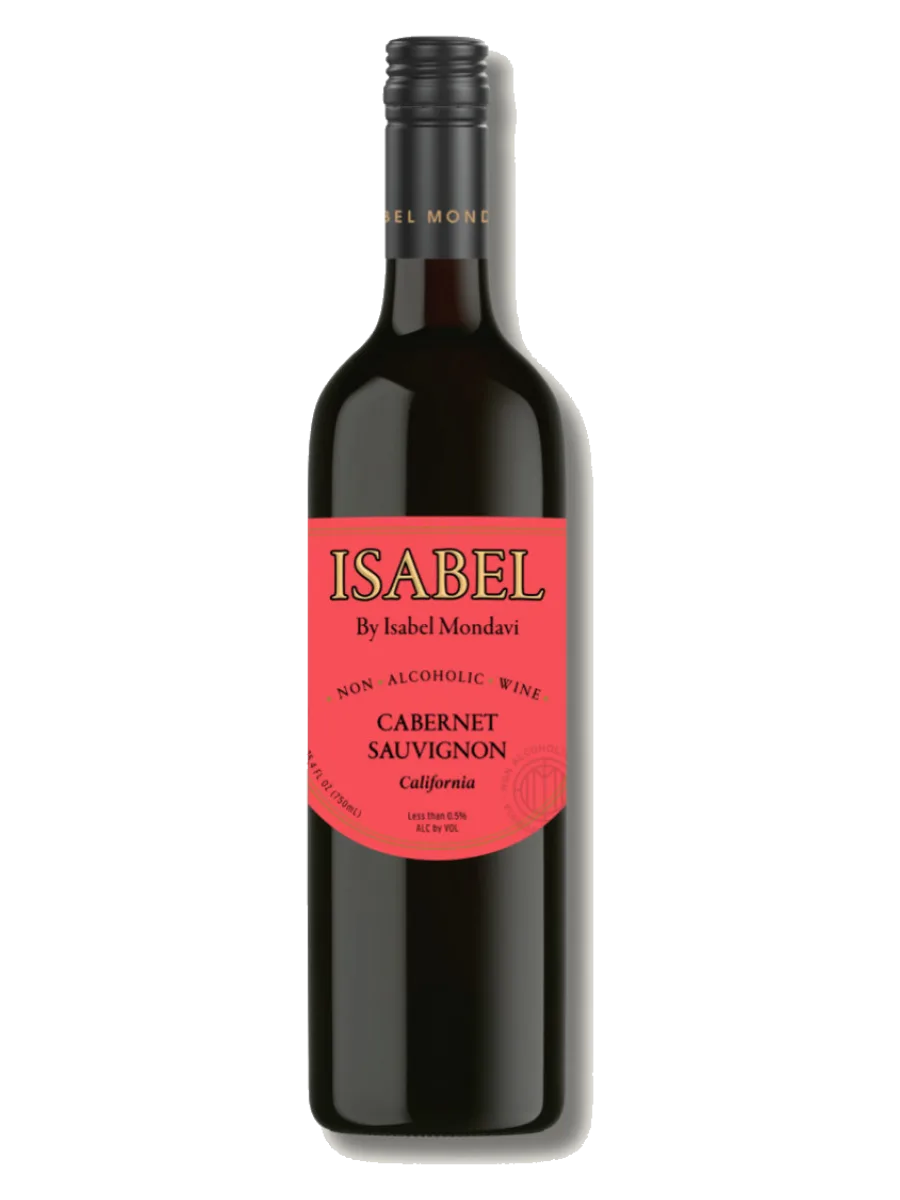
85/100
Standout
Isabel Cabernet Sauvignon has less perceived sweetness.
Weeknight red with grilled vegetables, pasta, or a mild hard cheese —…
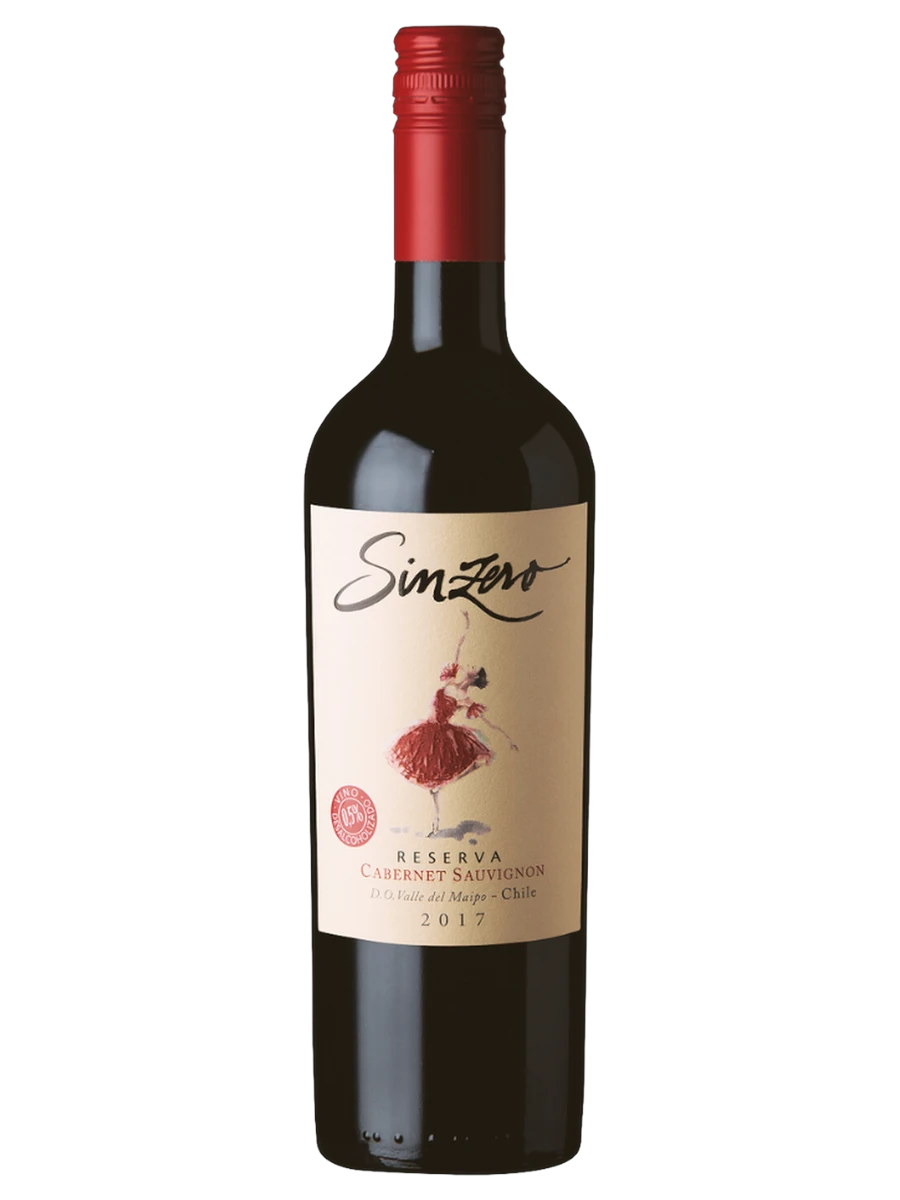
83/100
Sinzero Cabernet Sauvignon has less perceived sweetness.
A smooth red when you want familiar Cabernet flavor, a gentle tannic…

78/100
Be Well Cabernet Sauvignon has less perceived sweetness.
A cold, tart Cabernet when you want dark fruit without a heavy pour.