Method How it’s made
Nonalcoholic fermentation
Fermentation designed to build flavor, acidity, aroma, or texture without conventional alcoholic fermentation. Not alcohol removal, and not arrested fermentation.
- Ingredients
- Flavor-building fermentation
- Finished drink
Conceptual illustration. Exact systems vary by producer.
How it works
Nonalcoholic fermentation is designed to develop flavor, acidity, aroma, or texture without producing meaningful quantities of ethanol. Unlike arrested fermentation, it does not rely on stopping a conventional alcoholic fermentation before completion.
A product made this way can belong to Alternative when it is designed never to become the conventional alcoholic drink. Fermented does not automatically mean dealcoholized, and the beverage family does not decide the classification.
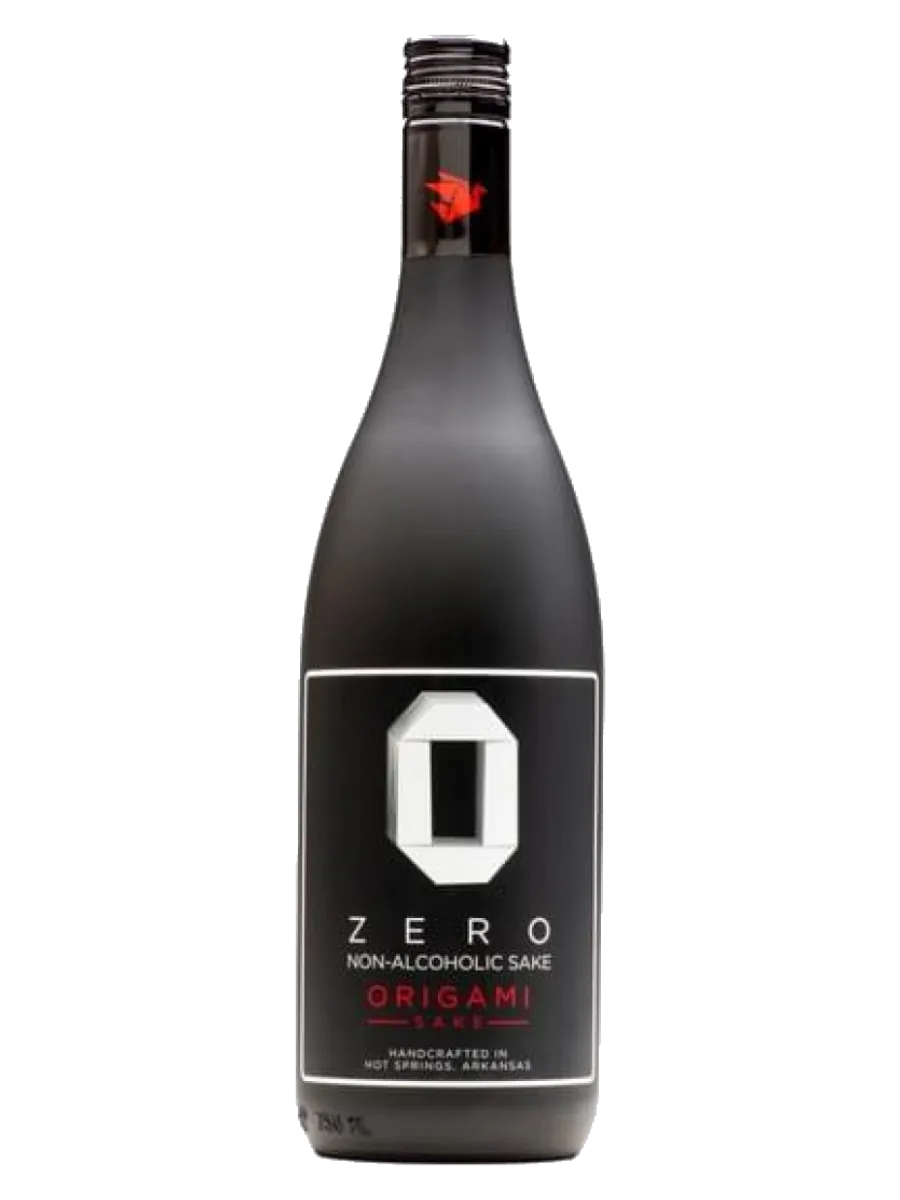
Lactic fermentation is one specific pathway. Origami ZERO is a sake analogue whose producer omits alcohol-producing yeast. BevNET’s reporting describes lactic fermentation with rice koji, not alcohol removal. The producer-published label declares 0.3% alcohol and lists water, koji, and L. plantarum.
The method does not establish a zero-alcohol claim. Record the product’s sourced residual ABV separately, and leave the precise pathway undeclared when evidence is missing.
From the cellar
In the cellar with this method
1 bottle
Compare holds up to four. Want to try keeps a bottle in My Bottles.