
Production
How is alcohol removed from wine?
The starting wine, removal technique, aroma recovery, and later adjustments all matter. A method name explains the process; it does not predict quality.
The short answer
A dealcoholized wine was wine. Something then took the ethanol out. Vacuum distillation, spinning cone, and the membrane processes are techniques inside that class. The result depends on the starting wine, the removal technique and its operating conditions, any aroma recovery, and what happens afterward. A method name provides context, not a quality ranking.
- Dealcoholized is the production class; the removal technique is a separate fact.
- A named machine does not establish the rest of the recipe.
- If we cannot cite the equipment for that bottle, the review says Undeclared. This is not a vendor directory.
The source order is How The Dry Standard checks a claim. Ranked bottles in the class are on Best dealcoholized wine. The technique index is Methods.
- Fermented wine The starting wine contains alcohol.
- Alcohol removal A documented technique removes ethanol.
- Finished drink Check its declared ABV and sourced ingredients.
Techniques covered below: vacuum distillation, spinning cone, and membrane processes.
A schematic, not a recipe for every bottle. Aroma recovery and later adjustments need product-specific sources. A method name does not predict quality.
What dealcoholization means
Dealcoholization is the removal step. The drink was alcoholic; something then took the ethanol out. The word does not name the machine, does not prove a stated 0.0% residual, and is not a quality ranking. Named techniques in this cellar are vacuum distillation, spinning cone, reverse osmosis, osmotic distillation, and membrane / cold filtration.
If a source does not name the equipment, the review says Undeclared. This page is not a directory of machines or vendors.
More than an ABV target
Removing ethanol changes the wine’s chemical and sensory balance. Aroma release, mouthfeel, and the perception of sweetness, acidity, and tannin can change; the effects are not identical in every wine or process.
The result depends on the starting wine, the removal technique and its operating conditions, any aroma recovery, and what happens afterward. Producers may return recovered aromas, blend components, or adjust the wine with grape must or other ingredients. We record those steps only when a source supports them for the product; a named machine does not establish the rest of the recipe.
Two wines can both declare less than 0.5% ABV and drink very differently. A method name provides context, not a quality ranking. The glass still has to deliver balance, a texture that suits the style, and desirable flavors that persist. Why is body so hard without alcohol?
Microbial stability and shelf life are separate production questions. Neither a pleasant tasting nor a named removal technique establishes them; product-specific claims need product-specific evidence.
Vacuum distillation
Under vacuum, ethanol leaves at a lower temperature than it would in an open pot. It is still heat, and it is still a still. Aromatics and the feel of body can thin. When a producer publishes a temperature for a specific bottle, that number stays on the review with the source. This page does not supply one industry setting. Vacuum distillation.
Spinning cone
A spinning cone column is a vacuum device that spreads the wine into a thin film and can take aroma and ethanol off in stages. Trade copy often says “spinning cone” and “vacuum” as if they were one sentence. We do not. Spinning cone column. The comparison is spinning cone vs vacuum distillation.
Membranes
Reverse osmosis and osmotic distillation move wine across a membrane and separate an alcohol-rich stream without boiling the whole volume. They are not a still. Reverse osmosis, explained is the reader version. The cellar index is Reverse osmosis. Osmotic distillation. Cold filtration, when a source actually describes it, is its own process. Membrane / cold filtration. What the removal does to smell is How dealcoholization changes aroma.
What this is not
Arrested fermentation, a specialized yeast, or a mash that never climbs past 0.5% ABV is not removal. That history is naturally low alcohol, and the method index is arrested fermentation.
“Gently dealcoholized,” “proprietary process,” and a blog that picked a machine because it sounded expensive are not sources. If we cannot cite the equipment for that bottle, the review says Undeclared. A marketing zero is not a method.
In the cellar
Compare holds up to four. Want to try keeps a bottle in My Bottles.
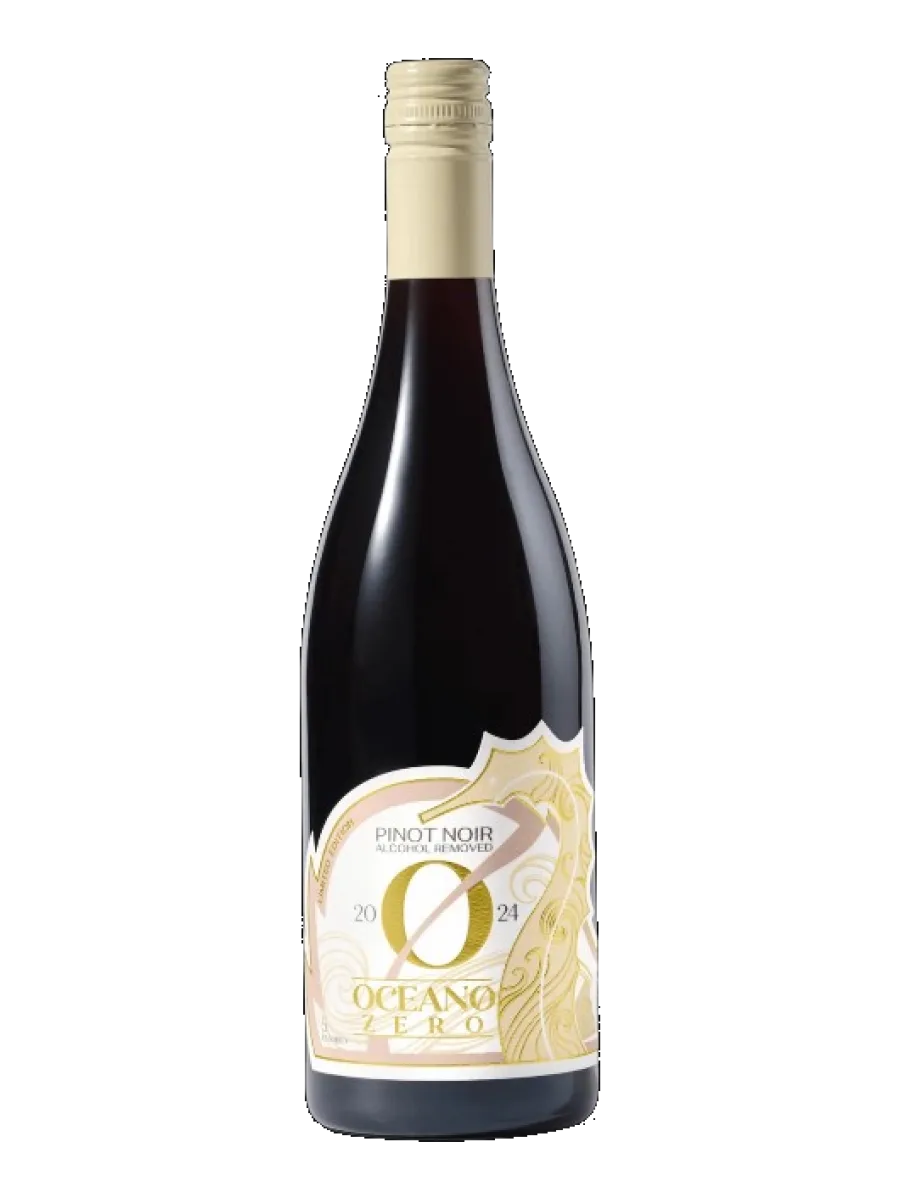
91/100
Standout
Open it when you want a nonalcoholic red that can stand as Pinot Noir.
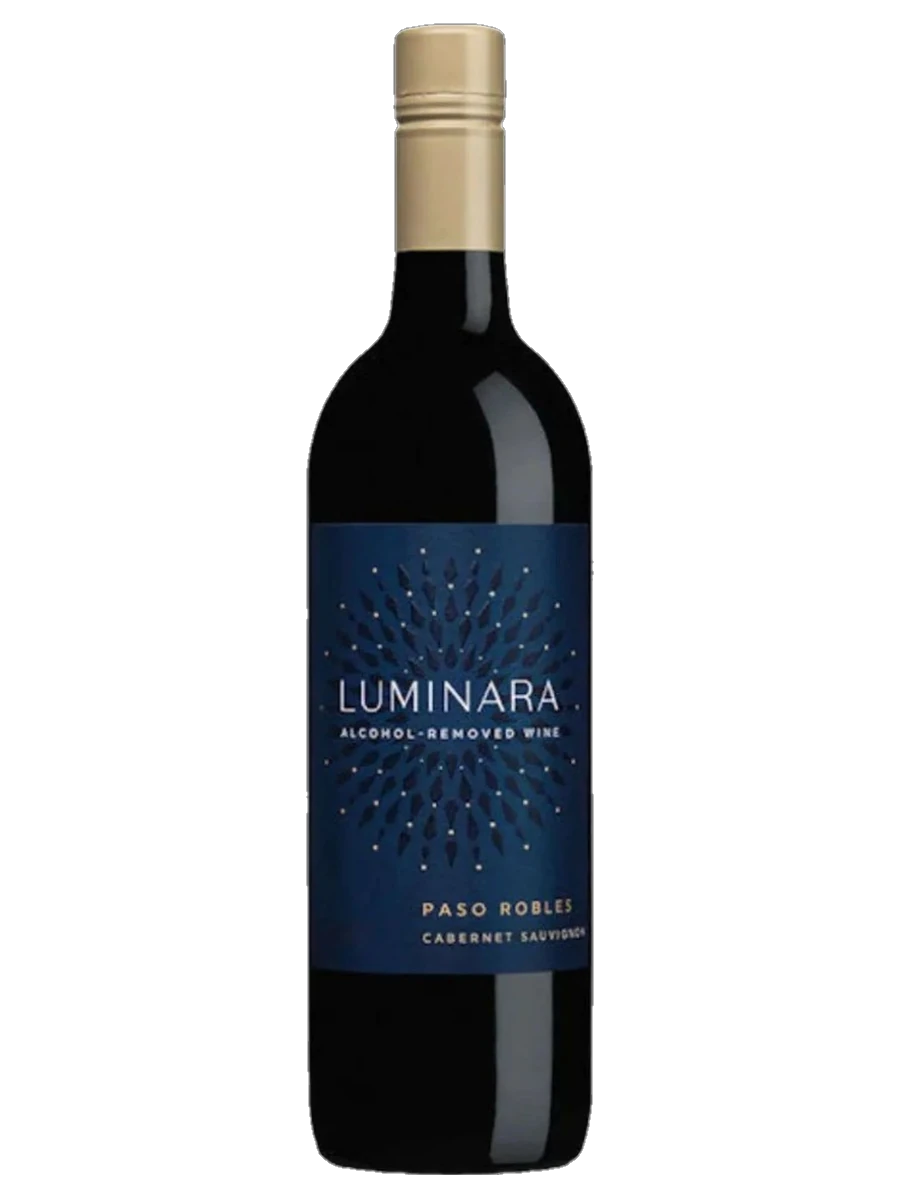
91/100
Standout
A Cabernet pour when you want dark fruit, cedar, and tannin, and you…
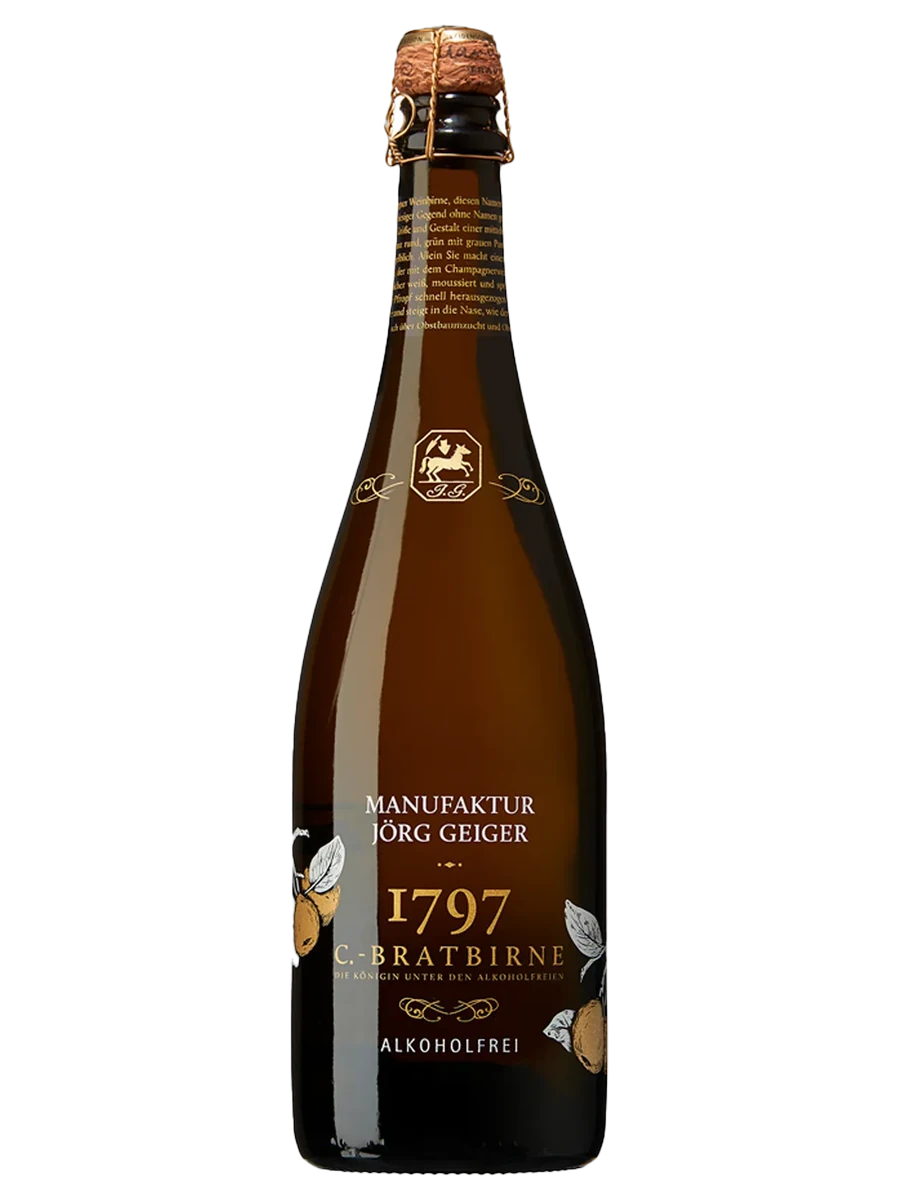
89/100
Standout
The Dry List is a monthly note: three bottles, one verified claim, and one worth buying. Get the monthly list.