
Production
Spinning Cone vs Vacuum Distillation for Nonalcoholic Wine
Spinning cone is a staged thin-film process under vacuum; vacuum distillation is the broader method. Compare the processes and our firsthand wine evidence.
The short answer
Both remove alcohol under reduced pressure. Spinning cone uses a thin film and staged separation; vacuum distillation is the broader process. Neither method name predicts how a wine will taste.
- Check the process for the exact bottle; a brand can use more than one method.
- Compare sweetness, acidity, texture, and finish before choosing by equipment.
- The cellar figures below update from firsthand wine reviews, not producer tasting copy.
Both are dealcoholization. Both use reduced pressure so ethanol can leave without a kitchen-stove boil. Naming either one means the drink started with alcohol and someone removed it. Neither name is a quality score.
| Question | Vacuum distillation | Spinning cone column |
|---|---|---|
| What is it? | Alcohol separation under reduced pressure. | A thin-film separation process using rotating cones under vacuum. |
| How is aroma handled? | Recovery depends on the producer’s setup; do not assume it. | Stages can capture aroma before alcohol removal and return it afterward. |
| Is there one temperature? | No. A sourced temperature belongs to a specific process or product. | No. Ask what the producer documents for the exact bottle. |
| Does it establish quality? | No; read the firsthand tasting. | No; read the firsthand tasting. |
Vacuum distillation
The wine or beer is held under vacuum until ethanol leaves, at a lower temperature than it would in an open pot. A producer may publish a temperature for one bottle. That number belongs on the review, with the source. It is not one setting for the method. Aroma recovery is sometimes a separate claim, not a feature you can assume. It is still heat, and it is still a still. Vacuum distillation.
Spinning cone
The liquid is spread into a thin film on spinning cones inside a vacuum column. Volatile fractions can come off in stages: aroma captured, alcohol removed, aroma returned. That staging is the point of the machine. The sentence on a website is usually just “spinning cone.” Spinning cone column.
A review will not wear both badges at once
Some trade listings mention spinning-cone technology and vacuum distillation in the same paragraph. Those are not automatically the same fact about the bottle in your hand. If the sources disagree, we record both claims. We do not pick a winner to make the badge tidy. How alcohol is removed from wine. Dealcoholization is still a production history, not a synonym for “non-alcoholic.” Dealcoholized is not the same as nonalcoholic.
What the cellar shows
Process fact ends above. What follows is cellar observation from firsthand pours only.
| Vacuum distillation | Spinning cone | |
|---|---|---|
| Firsthand bottles | 81 | 47 |
| Median score | 83/100 | 83/100 |
| Oak/vanilla descriptors | 7 | 9 |
Medians are public firsthand scores. A small gap is not a quality ranking. Oak/vanilla counts are structured descriptors on those wines, not a claim that either machine produces oak. 82 tasted wines with an undeclared dealcoholization method are excluded from both columns. Research-only profiles are excluded entirely.
The table reports the current sample, including its medians and descriptor counts. These wines were not matched for grape, sweetness, oak treatment, producer, or price. Differences between the columns cannot establish a method’s effect on quality.
Bottles whose dealcoholization method is still undeclared stay out of both columns. Research-only profiles stay out entirely. Find a bottle if you want to filter the live set yourself.
Patterns in the glass
Within this cellar, the current sample suggests two soft clusters — not laws of physics.
Vacuum-distilled set. Firsthand notes more often land on citrus, green apple, and mineral or stony language. Brightness and fresher descriptors show up repeatedly where the wine still has acid to work with.
Spinning-cone set. Orchard-fruit language and rounder mid-palates recur in the reviewed still whites. The live table gives the oak and vanilla descriptor counts for both sets; those counts change as the cellar grows.
That pattern may also reflect grape variety, winemaking, oak treatment, residual sugar, aroma recovery, and producer style. It is not evidence that a spinning cone “adds vanilla” or that a vacuum still “creates minerality.”
Chardonnay, side by side
These still Chardonnays narrow the comparison to one style, without controlling for the other winemaking choices. Scores and verdicts come directly from their current firsthand reviews:
| Wine | Method | Score | Our verdict |
|---|---|---|---|
| Appalina Chardonnay | Vacuum distillation | 79/100 | One of the few nonalcoholic wines with an actual German winery behind the label — a clean, slightly mineral Chardonnay that tastes like somebody made it on purpose. |
| Oceano Zero Chardonnay 2024 | Vacuum distillation | 88/100 | Refined and well balanced: lively citrus and acidity meet a rounded, buttery character. The supple texture and progression from tart fruit to a softer finish give this Chardonnay definition. |
| Paragraph Chardonnay | Vacuum distillation | 84/100 | A balanced Chardonnay with green apple, peach and light toast over a rounded middle. Bright acidity checks a hint of butterscotch sweetness, and the dry, refreshing finish carries apple and lemon. |
| RELAX Zero Chardonnay | Vacuum distillation | 81/100 | Green apple, ripe pear, and light carbonation make this an easy, appealing pour. Noticeable sweetness and a thin frame limit its complexity and its resemblance to traditional Chardonnay, while soft acidity offers some balance. |
| St. Regis Non-Alcoholic Chardonnay | Vacuum distillation | 80/100 | Supple and lightly sweet with pear and apricot leading, fresh acid keeping the middle from juice. Soft oak on the exit — a clean, usable nonalcoholic Chardonnay. |
| Villa à la Mer Alcohol-Removed Chardonnay | Vacuum distillation | 60/100 | Pale, still, and so slight that the finish is the absence of one. No oak, no fruit, and almost nothing to taste. |
| Villa Amélie Chardonnay | Vacuum distillation | 81/100 | The orchard nose is the wine. Golden Delicious apple and white peach read as Chardonnay; the sip is thin, smooth, and off-dry, with a light sweet close and not enough body to follow the aromatics. |
| Almost Zero Chardonnay | Spinning cone | 79/100 | Recognizably Chardonnay. Apple and pear lead, a touch of vanilla sits under a soft, slightly sweet palate, and the finish stays clean. It is pleasant and easy to drink, but simple, and the gentle acidity cannot supply the depth or frame the grape usually brings. |
| Artis Chardonnay | Spinning cone | 84/100 | Cream, vanilla, and a toasted finish that lingers give this a clear Chardonnay identity. The close is the strength. The flavor set is simple, more oak and cream than fruit, and the wine stays coherent inside that limit. |
| Be Well Chardonnay | Spinning cone | 78/100 | Soft and rounded rather than sharp, with golden apple and pear carrying a light honey note into vanilla-oak. Easy weeknight Chardonnay weight without turning syrupy. |
| Fre Alcohol-Removed Chardonnay | Spinning cone | 77/100 | Pleasant enough, but muted and simple. The rounded texture is agreeable, not a fault; low flavor intensity, muted aromatic expression and limited persistence keep it from standing out. 77/100 — drinkable, but underpowered. |
| Isabel Non-Alcoholic Chardonnay | Spinning cone | 84/100 | Creamy and balanced for a nonalcoholic Chardonnay, with usable oak and a bright toasted close. Not a heavy California barrel bomb — pear and apple stay in charge — but the likeness holds. |
| Lautus Chardonnay | Spinning cone | 86/100 | Soft creamy weight and a nutty, lightly bittersweet close give this Chardonnay more presence than the Sauvignon Blanc. Fruit and oak stay in balance; conventional richness is still out of reach, but the likeness holds. |
| Luminara Chardonnay | Spinning cone | 87/100 | One of the more convincing nonalcoholic Chardonnays, with real persistence and a fuller, more vinous character. The buttery profile and lingering warmth give it genuine Chardonnay personality rather than simply tasting like a Chardonnay-inspired beverage. |
Producer choices sit beside the machine. Giesen’s Marlborough program is the clearest spinning-cone brand depth elsewhere in the cellar (Giesen). On the vacuum side, Leitz and Oddbird carry more of the high-score weight in Riesling and red blends than in still Chardonnay (Leitz, Oddbird).
Does one method score better?
The cellar does not establish a better method. The current medians above describe these particular wines, not a controlled trial. A gap between uneven groups is not a ranking of equipment.
What moves the glass more reliably here: grape and style, sweetness against acidity, whether oak is used as structure or perfume, how much aroma is recovered or rebuilt after removal, and the producer’s blending choices after the ethanol leaves. Method is useful context. It is not a guarantee.
Buying takeaway
- Treat the method badge as context, not a quality seal.
- In the wines tasted here, shoppers chasing brighter citrus–mineral profiles will meet more examples in the vacuum-distilled set.
- Shoppers chasing rounder orchard-fruit or lightly oaked profiles will meet more examples in the current spinning-cone set.
- The individual review remains more predictive than the method facet alone — start from the bottle, then use vacuum or spinning cone to browse the rest of that machine’s cellar.
In the cellar
Compare holds up to four. Want to try keeps a bottle in My Bottles.
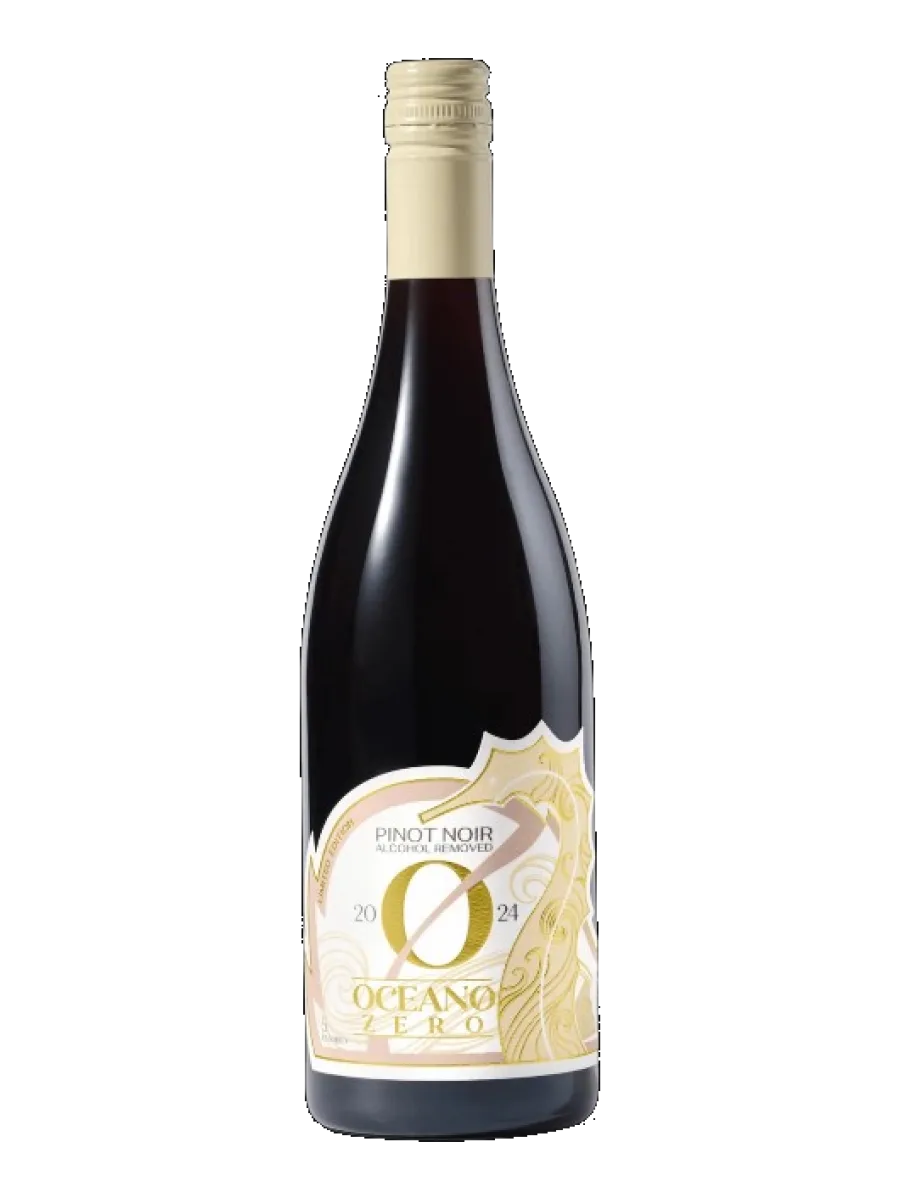
91/100
Standout
Open it when you want a nonalcoholic red that can stand as Pinot Noir.
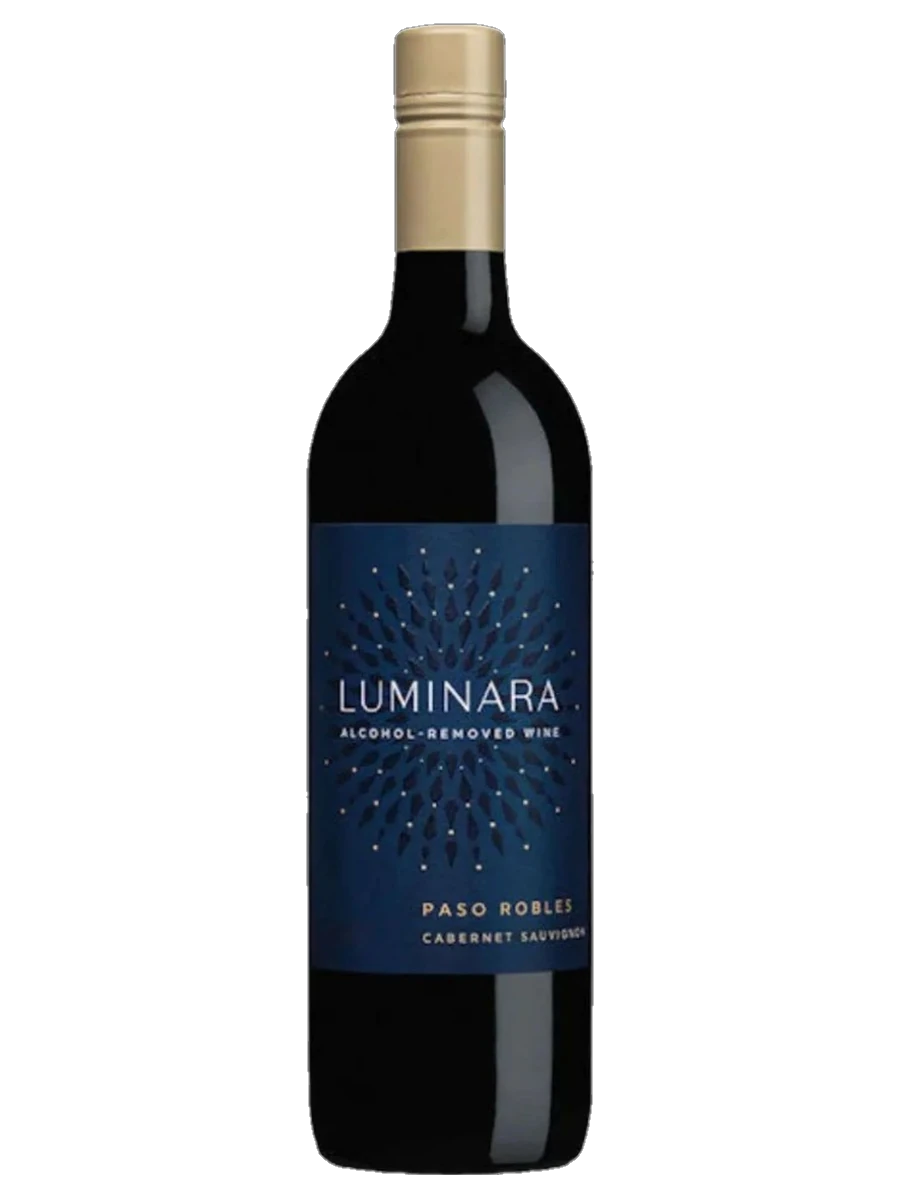
91/100
Standout
A Cabernet pour when you want dark fruit, cedar, and tannin, and you…
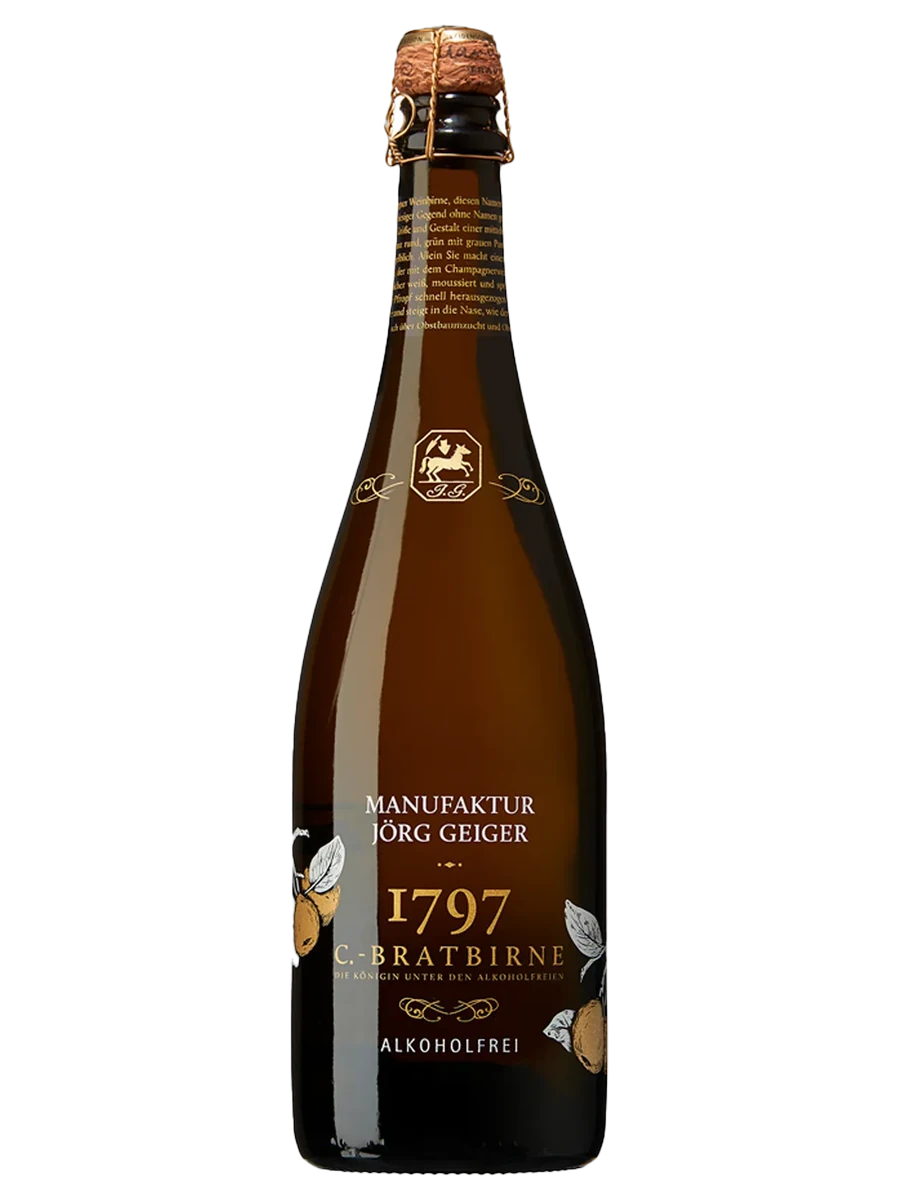
89/100
Standout
The Dry List is a monthly note: three bottles, one verified claim, and one worth buying. Get the monthly list.