
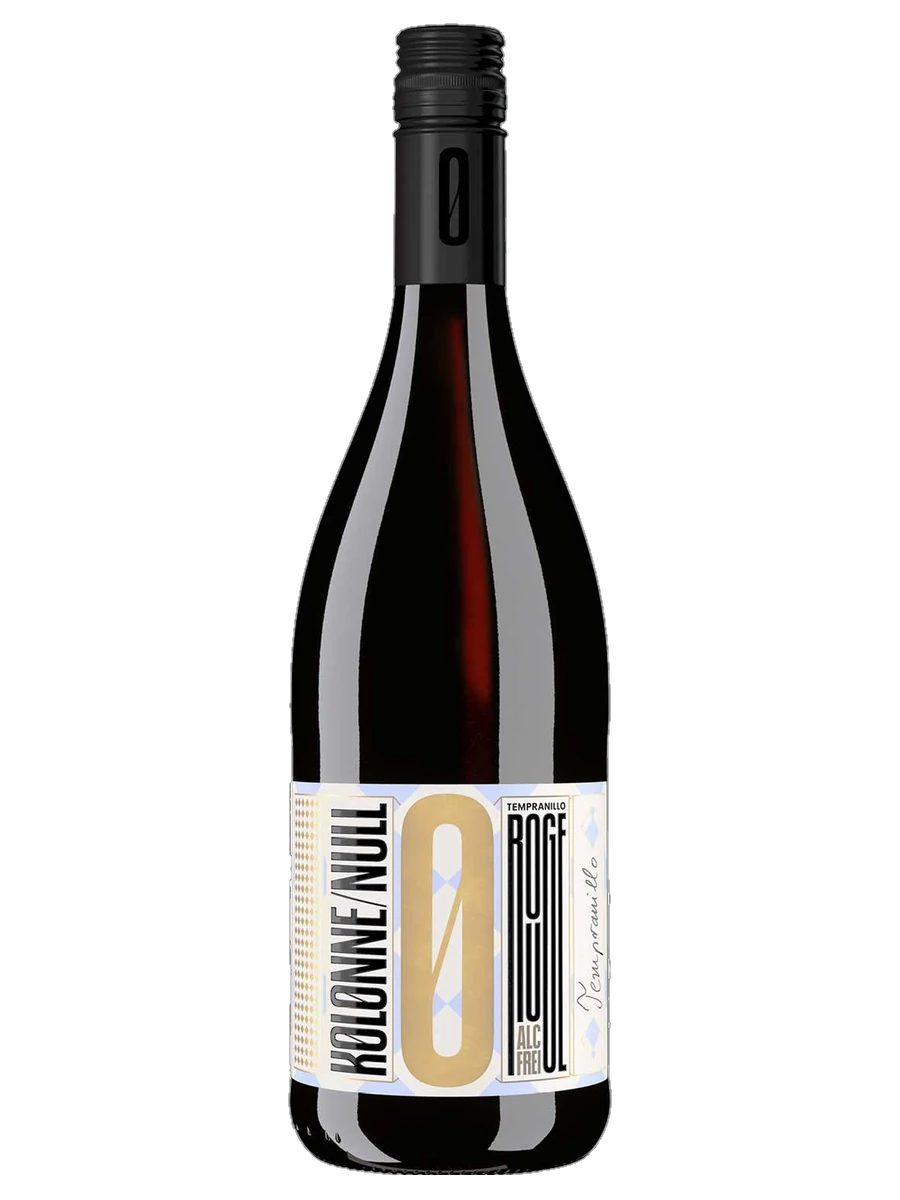
The short takeA standout dealcoholized red, and convincing in that style. The structure carries the dark fruit, the sweetness stays inside the fruit, and the shift from blackberry and oak into cherry and plum rewards a slower sip. I would keep a bottle on hand.
Tasted Karl HillHow we score
Who it’s for A slower glass of Tempranillo, when dark fruit and the grip should still be there at the end.
TDS Wineprint
This pour · documented production
In the glass
- Appearance
- Deep ruby-purple.
- Nose
- Medium intensity. Blackberry leads and stays in front of the glass. A quiet trace of oak sits behind that fruit and does not cover it.
- Palate
- Off-dry and medium-bodied. Black cherry and plum unfold across the sip, and bright acidity lifts them. Moderate tannins gather along the gums. The gentle sweetness, the acidity, and that grip stay in balance, so the sweetness never takes the glass over.
- Finish
- Medium length. Black cherry and plum linger after the swallow, and the tannic grip lingers with them. The fruit does not fall away and leave the grip alone.
Structure and likeness Show Hide
Structure
- Sweetness
- Off-dry
- Acidity
- Bright acidity
- Body
- Medium body
- Tannin
- Moderate tannin
- Finish length
- Medium finish
How wine-like is it?
Separate from the score. A convincing resemblance is not a higher rating.
Convincing as a red wine. Bright acidity and a distinct tannic grip supply the structure, and the sweetness stays inside the fruit.
The wine
What holds the 90 is proportion. Bright acidity, a distinct grip, and a little sweetness that lives in the fruit stay with one another. The sweetness never takes the glass. That is the balance that makes this convincing as a red wine, and the reason another sip feels available rather than polite.
The smell does not try to be a full inventory. Blackberry is the arrival, and the oak is only a quiet second layer, enough to keep the fruit from reading as juice. Then the register changes. Cherry and plum take the sip. The tannin is moderate, and it catches along the gums without drying the fruit out. Sweetness is present, and it shows up as roundness rather than a syrup line sitting on top.
Color is a deep ruby-purple. Body sits in the middle, which is where this glass wants to be: enough weight to carry the dark fruit, and not so heavy that the grip gets lost in it. After the swallow, cherry and plum remain beside the grip for a medium spell. Nothing new shows up late, and nothing important leaves early. When the plum fades, I want the next pour. I would happily keep this bottle on hand.
Share this rating

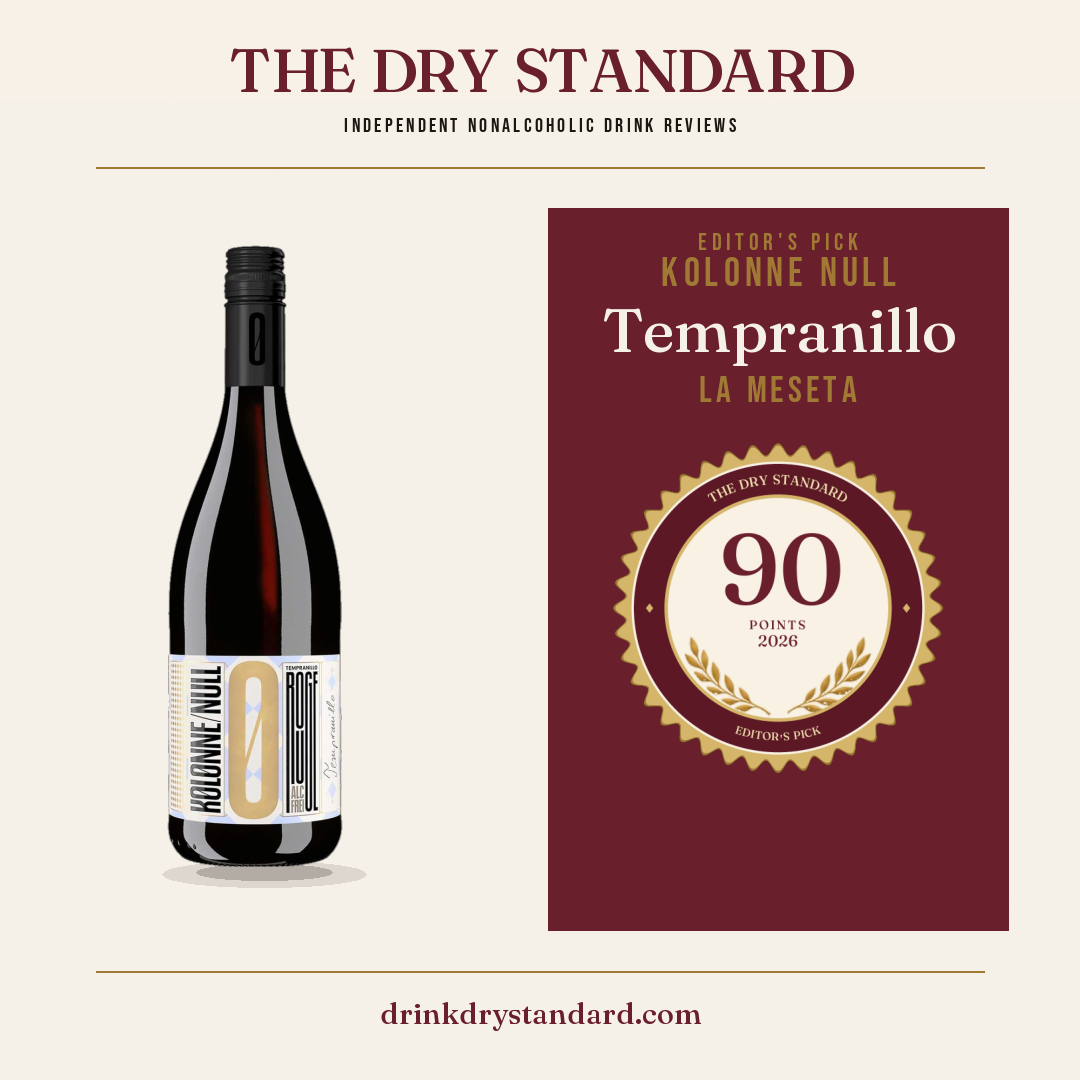
90 sits above the median of the 220 dealcoholized wine bottles we've tasted.
The bottle
Show
Hide
Research notes
The same page’s product description prints "Grapes: Tempranillo, Syrah" and "Origin: La Meseta, Spain". The producer page lists 15 kcal and 2.3 g sugars per 100 ml. The laboratory page describes the range: vacuum distillation at 30°C, down to a maximum residual of 0.3%, then aroma recovery, and a replacement of lost sweetness with natural sugars. The shop’s own tasting lines, including blackberry sorbet, pepper, and dry, are not this glass. Serve at 15–18°C is the producer’s recommendation.
Where to buy
- Kolonne Null
- Package
750 ml
- Typical price
-
€12.80 / package
- Availability
On 5 November 2026 the shop prints both "In stock" and "TEMPRANILLO is backordered and will ship as soon as it is back in stock." The product data reports the variant available. The page also says free delivery to Germany within 1–4 days from €65.
Availability is market-specific; a producer link does not establish shipping to every country. Prices and availability are independently observed and may change. Retailer listings do not imply endorsement. A different package is labeled as a different format. Reader-service exceptions and commercial links are identified above; neither affects scores, rankings, classification, verification, or editorial coverage.
Product facts
- Producer
- Kolonne Null
- Origin
 La Meseta, Spain
- Grapes
- Tempranillo
- Farming
- Organic
- Base beverage
- Dealcoholized wine from Spain
- Bottle / can
- 750 ml
- Diet
- Vegan · producer, Gluten-free · producer
Sources disagree on Calories, Identifiers, ABV, Grapes, and Ingredients. Send a correction
Sources & verification
Show details
Hide details
Source links leave this site and open in a new tab.
Where sources disagree
Sources disagree on the following points.
- Calories: The package value is canonical for this bottle. The earlier producer value is retained as source history.
- Identifiers: The photographed Tempranillo package EAN is assigned to Cuvée Rouge No. 2 in the catalogue from an unchecked retailer listing. The relationship between these packages is unresolved; no identifier has been reassigned.
- ABV: Both claims are retained. No exact residual is stored. The public figure is the product page ceiling, under 0.5%.
- Grapes: Both claims are retained. No blend percentage is stored.
- Ingredients: Both claims are retained. The ingredient list is the product table. The red-wine page’s "no additives" line is not used to delete must or sulfur dioxide.
Evidence at a glance
- Producer documented15 facts
- Bottle verified2 facts
- Unverified1 fact
Production record
One core fact remains to be documented or rechecked.
- Classification
- Verified
- Method
- Named method
- ABV
- Ceiling declaration
- Origin
- Documented
- Record
- Has open discrepancy
Sources
-
Producer kolonnenull.com
- ABV (sources disagree)
- Production
- Method
- Grapes (sources disagree)
- Country
- Region
- Producer
- Ingredients (sources disagree)
- Sugar
- Farming
- Vegan
- Gluten-free
- Price
- Availability
- Base beverage
9 notes
- ABV
- The product page prints "Alcohol-free (<0,5%)" and the category line "Dealcoholized wine (<0,5 % vol.)." The laboratory page’s 0.3% maximum is a range statement and is kept in discrepancies.
- Method
- Both sentences are kept. No other machine is named.
- Grapes
- The rendered page prints "Grape variety: Tempranillo." The product description on the same URL prints "Grapes: Tempranillo, Syrah." Both claims are retained.
- Country
- Origin line: "La Meseta, Spain." Ingredients: "Dealcoholized wine from Spain."
- Region
- The red-wine page says the Tempranillo comes from the Spanish plateau La Meseta.
- Sugar
- Per 100 ml: Carbohydrates 2,4 g (of which sugars 2,3 g).
- Vegan
- The product page badge line includes Vegan.
- Price
- No bottle size is stated, so the litre price is not converted into a volume.
- Availability
- Both are kept.
-
Bottle / can label Bottle label
- Volume
- Calories (sources disagree)
Additional sources
Product record history Sourced changes and open disagreements. Prior claims stay on the record when sources conflict.
- ReviewedReviewed and published.
- UpdatedCatalog record updated from sourced research.
- OpenDiscrepancyCalories, Identifiers, ABV, Grapes, and Ingredients.
Compare holds up to four. Want to try keeps a bottle in My Bottles.
Structure
Closest by structure
Keep tasting
Similar bottles
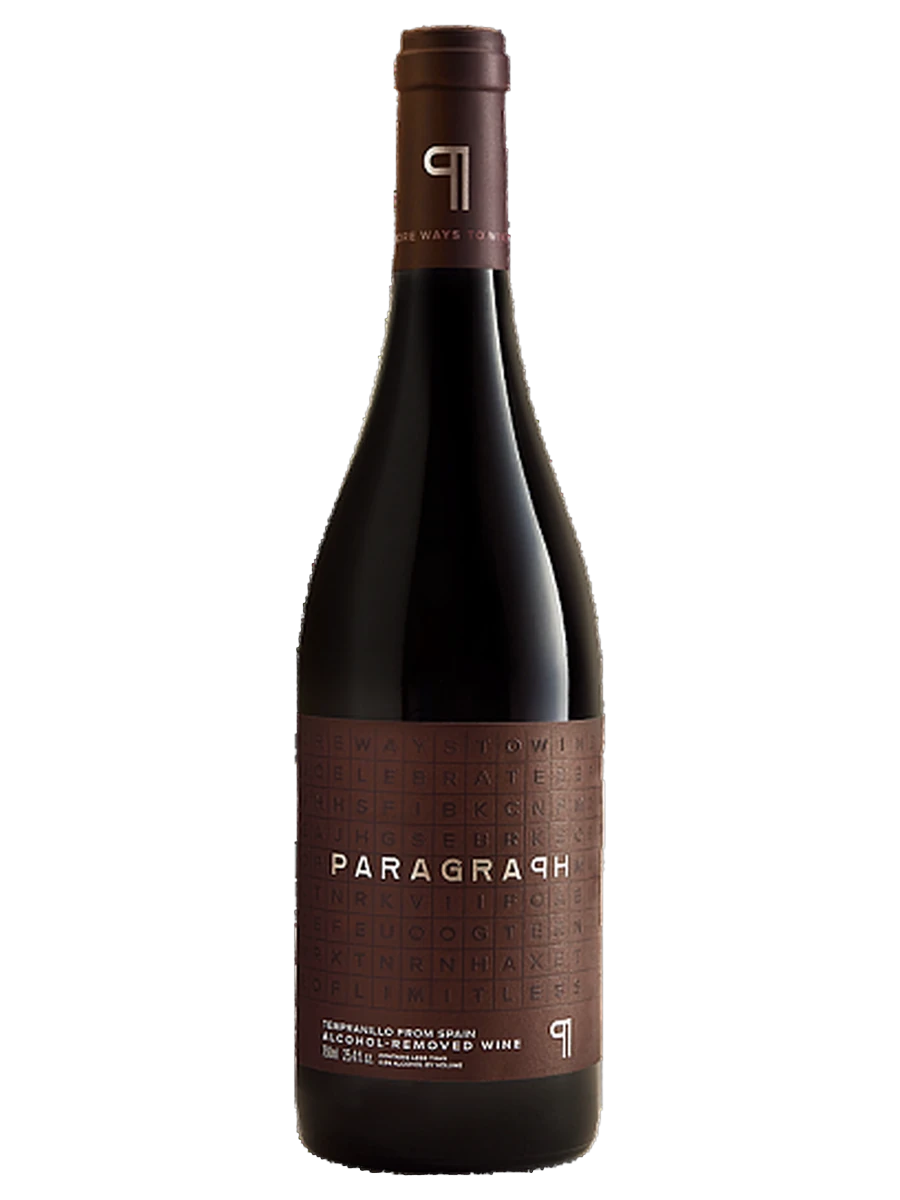
83/100
Paragraph Tempranillo is the same Tempranillo style.
A restrained Tempranillo when dark berries, oak, and a dry savory…
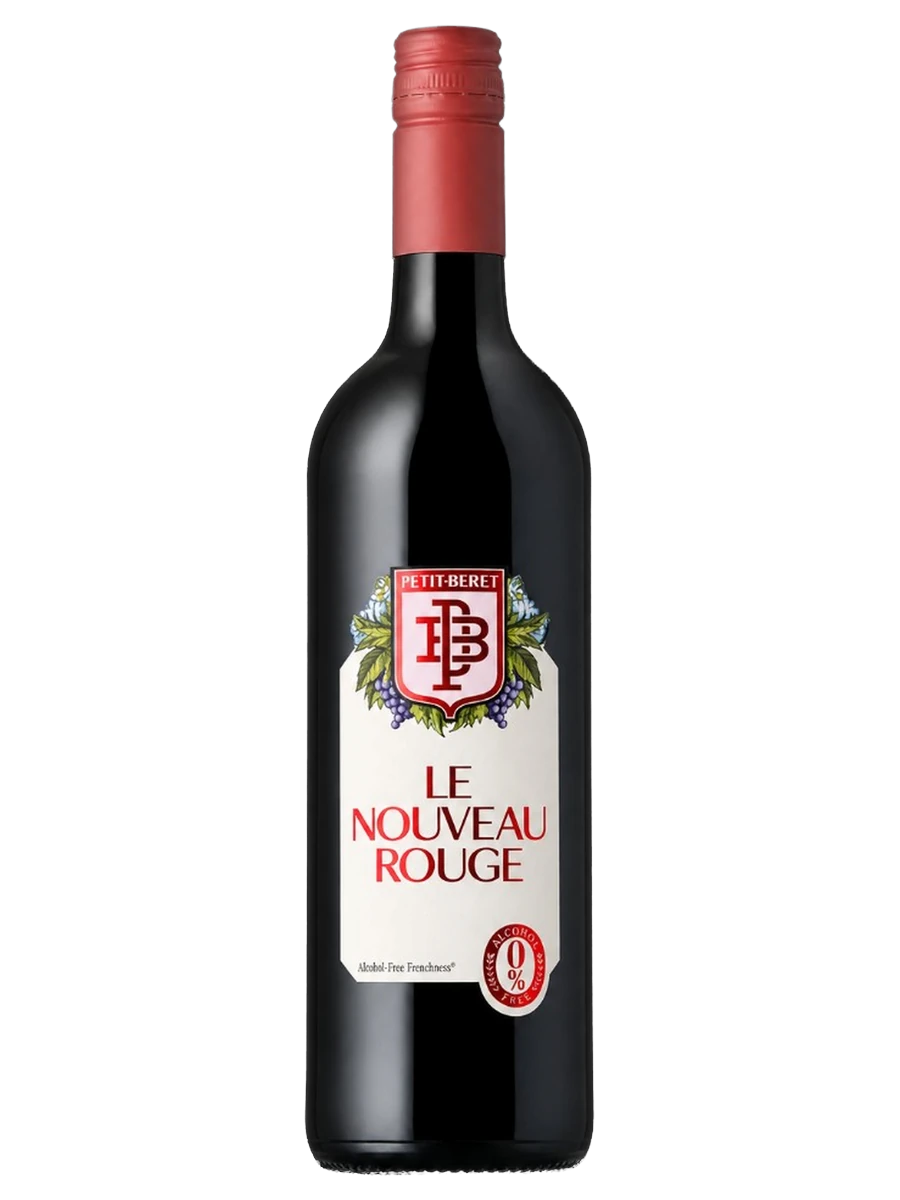
69/100
Le Petit Béret Le Nouveau Rouge is an alternative. This bottle is dealcoholized by vacuum distillation.

Not a red-wine pour.
82/100
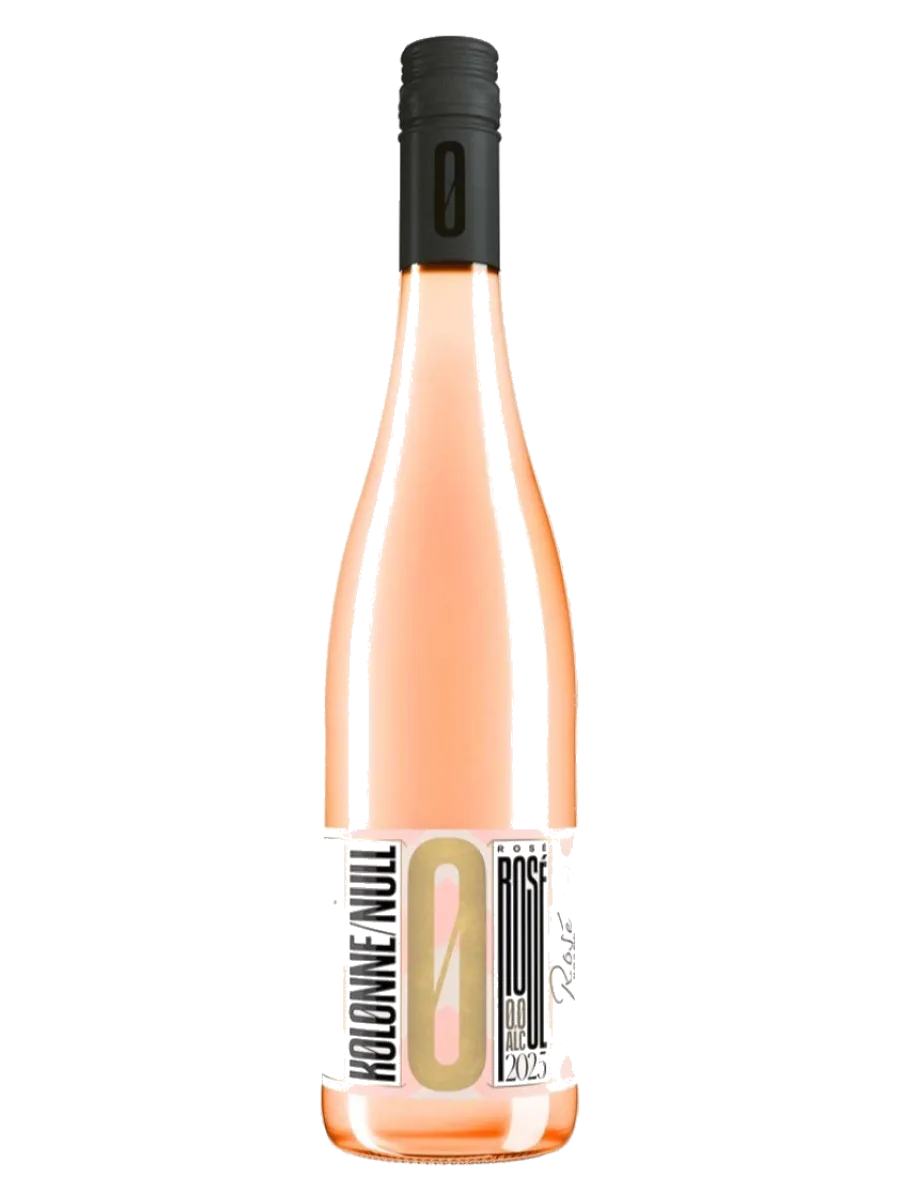
Kolonne Null Rosé is listed at 0.0% ABV. This bottle is listed at <0.5% ABV.

Aperitif hour, seafood, anyone who wants rosé with dinner and a clear…
90/100