

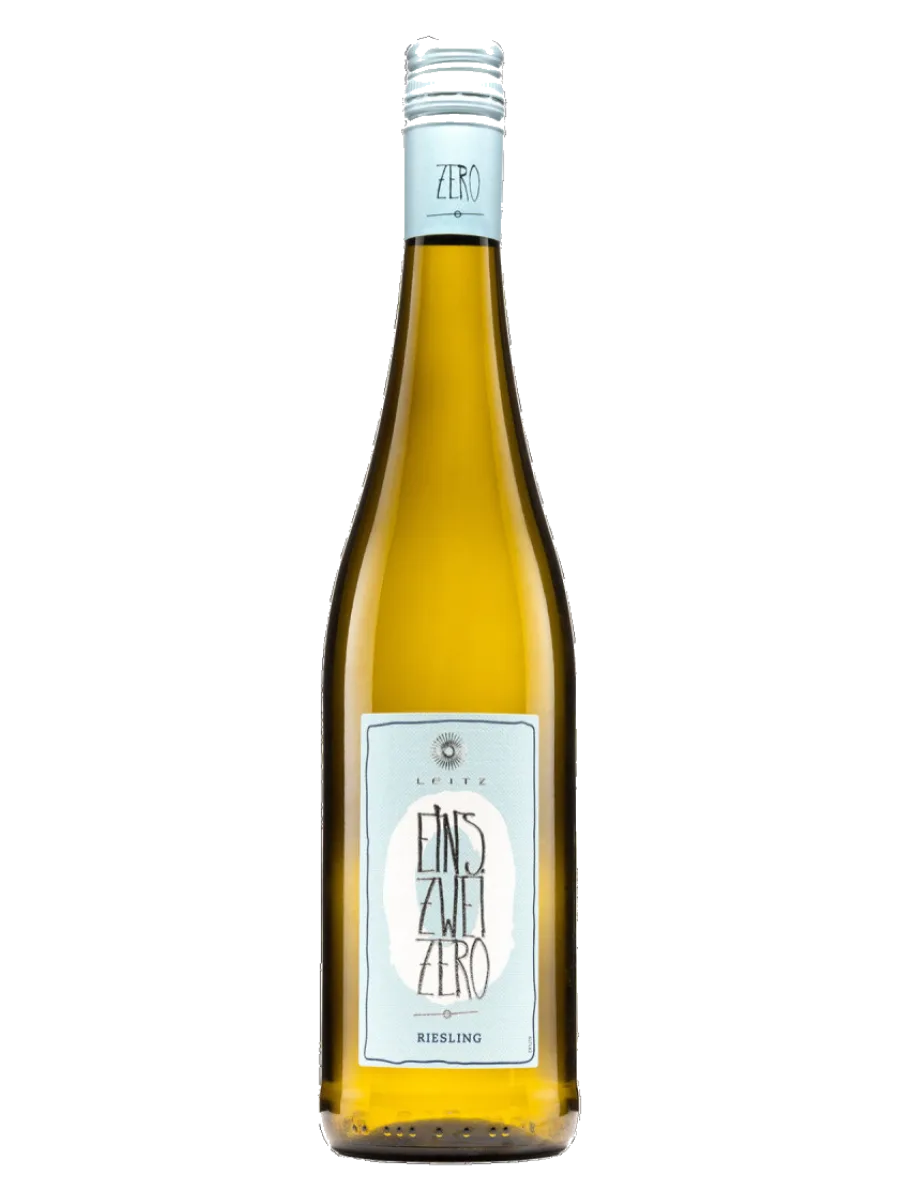
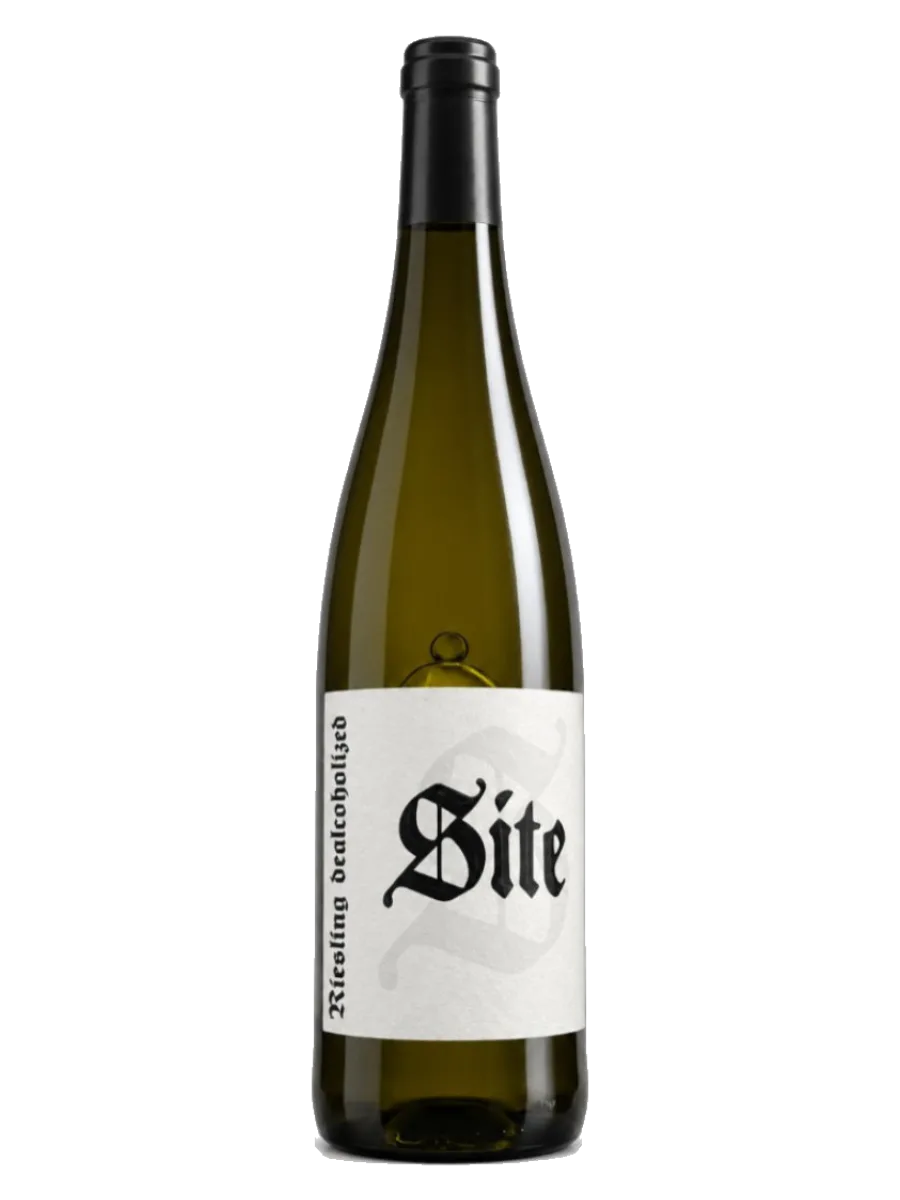
GoodVines Non-Alcoholic Riesling
82/100
How we scoreVerdict
Editorial VerdictFresh German Riesling line — green apple and peach with citrus, lively acid, a touch of sweetness, then a mineral clean close. Eighty-two for balance and varietal clarity.
Verified facts
Evidence: Producer documented · 3 sources
- Sourced ABV <0.5% Producer documentation
- Sourced Classification Dealcoholized Producer documentation
- Sourced Method Vacuum distillation Producer documentation
- Sourced Origin Palatinate / Rheinhessen (base wine sourcing — brand), Germany Retail listing
At a glance
- Flavor profile
- Green apple
- Pear
- Peach
- Citrus
- Mineral
- Structure
- Off-dry
- Bright acidity
- No tannin
- Light body
- Medium finish
- Crisp
- Still
Tasting notes
-
Nose
Green apple, pear, peach, and citrus — fresh orchard fruit with a bright citrus lift, clean rather than floral-heavy.
-
Palate
Lively acidity carries green apple and peach on a light frame; pear softens the mid-palate. Slight sweetness balances the acid without tipping into candy — fruit and freshness lead, not residual sugar.
-
Finish
Mineral, fresh, and clean — fruit clears quickly, leaving a short mineral lift without sticky hang or sweetness.
The wine
Acid first. The glass is lively before it is sweet — green apple and citrus over a lean frame, with just enough residual sugar to round the edges. That is the Riesling bargain after vacuum removal: freshness first, orchard fruit before weight.
Pear and peach soften the mid-palate without turning the wine soft or sticky. Slight sweetness is honest against the acid; it does not tip into soda. There is no petrol or long mineral spine — the fruit and acid do the work, and the balance holds. What remains is mineral and clean — fruit clears, the mineral lift stays briefly, then done. The close is short by design, not by fault.
It will not give you dry Mosel austerity or a long petrol close. Eighty-two sits on balance: orchard fruit that still reads as Riesling, acid that keeps it taut, and a clean mineral finish. Serve it well chilled in a white-wine glass; a few minutes open helps the peach show. Warm, the peach fattens and the sweetness shows; cold keeps the green apple bright. For fish, asparagus, or a warm afternoon white, that fresh clean line is enough.
How to drink it
Well chilled, white-wine glass; a few minutes open helps.
How it was made
Classification Dealcoholized
Evidence status Producer documented
German quality-wine Riesling base; stainless maturation after removal (producer shop). Editorial bottle still confirms less than 0.5% alc. vol. on the US-facing label; DE shop lists 0.0% Vol. — see discrepancies.
Sources disagree on the following points.
- Abv: Public record uses <0.5% until a single label/tech sheet is confirmed for the US SKU.
Product record history
Sourced changes and open disagreements. Prior claims stay on the record when sources conflict.
Product record history
- Reviewed and published.
- Production_type — Sourced check for production_type.
- Dealcoholization_method — Sourced check for dealcoholization_method.
- Abv — Sourced check for abv.
- Open Abv — Public record uses <0.5% until a single label/tech sheet is confirmed for the US SKU.
Sources
Product facts are only as strong as their sources. Editorial tasting notes are opinion.
-
Verified facts
-
DE shop 0.0%; US still shows <0.5% on label — see discrepancies.
Verified facts -
Verified facts
-
Verified facts
Keep tasting
Other Riesling

82/100
How we score