
Buying lists
Best German non-alcoholic wine
These wines are German by sourced origin, not by a front-label word. Alkoholfrei is explained separately; it is not the filter that built this list.
Find a more specific list
The ranking
Our top 12
Highest score first, from 48 tasted bottles. Tied scores list the more recent tasting first.
Compare holds up to four. Want to try keeps a bottle in My Bottles.
Rank 1
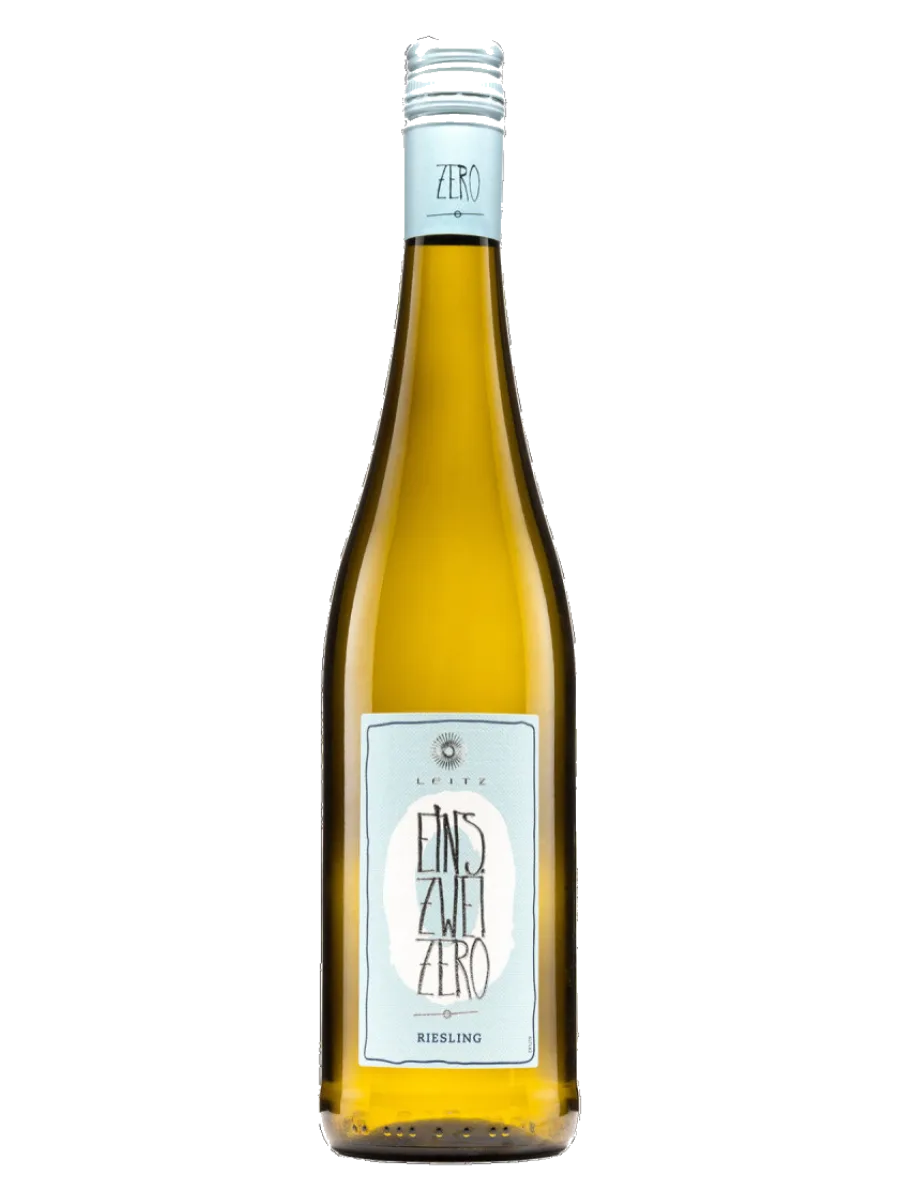
88/100
Standout
The dealcoholized Riesling most often worth opening. Acidity keeps the residual sugar honest; what is missing is ethanol weight, not varietal character.
Weeknight fish, spicy takeout, or anyone who wants Riesling acidity…
Rank 2
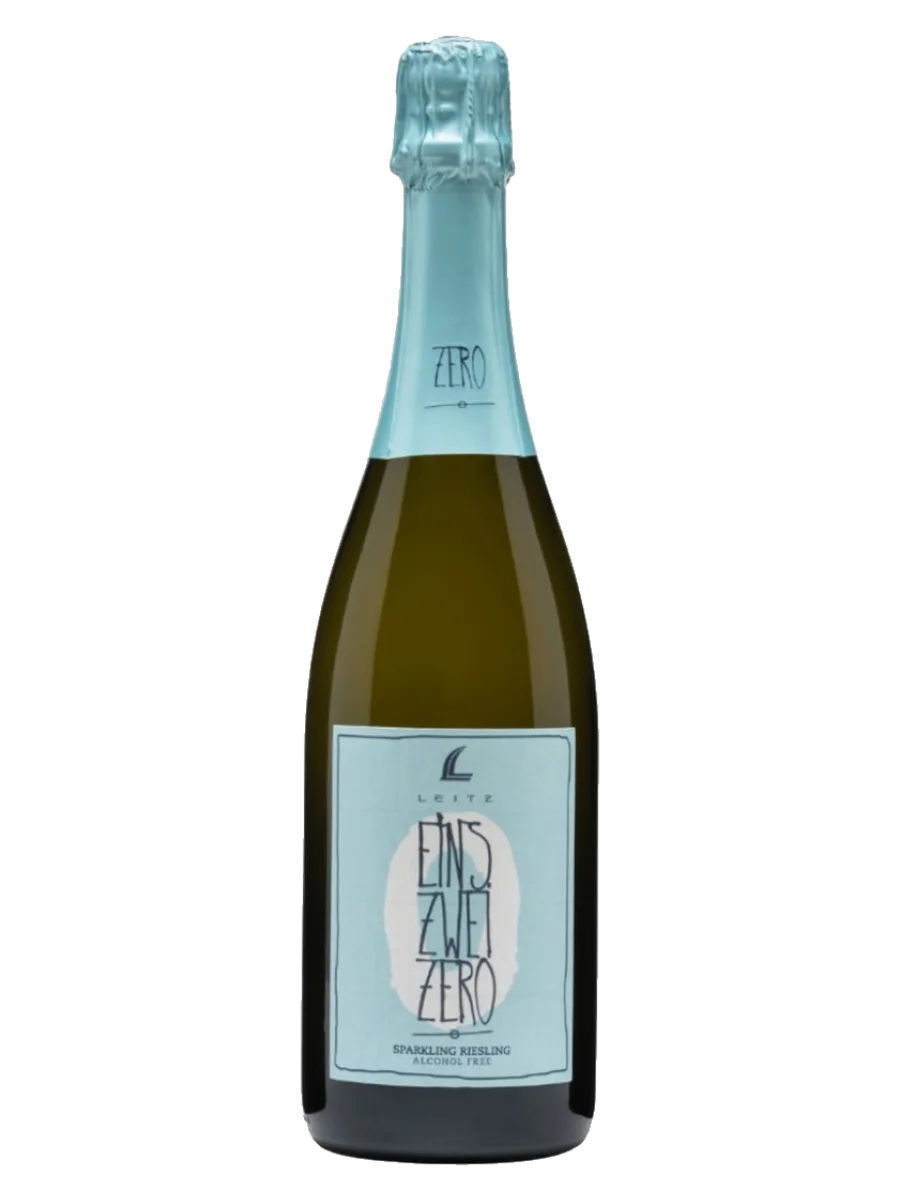
88/100
Standout
A sparkling Riesling that still tastes like Riesling. Bright acidity, a fine bead, and a light body. The grape is recognizable. The weight of an alcoholic Riesling is what is missing.
A toast that still wants Riesling, not generic nonalcoholic bubbly.
Rank 3
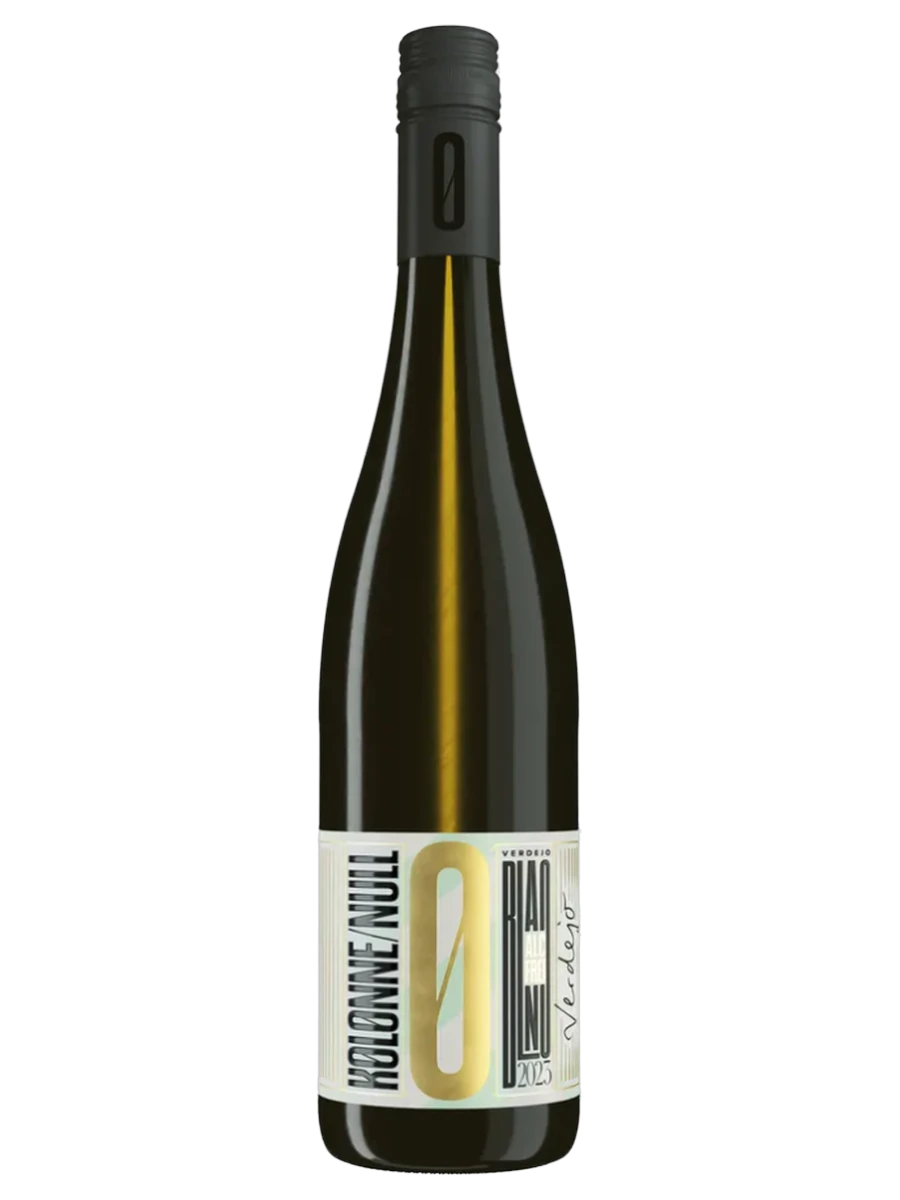
87/100
Standout
A balanced, satisfying dealcoholized Verdejo. Gentle sweetness and rounded texture complement fresh acidity, while the persistent melon finish gives it staying power. It feels complete and invites another sip.
Rank 4
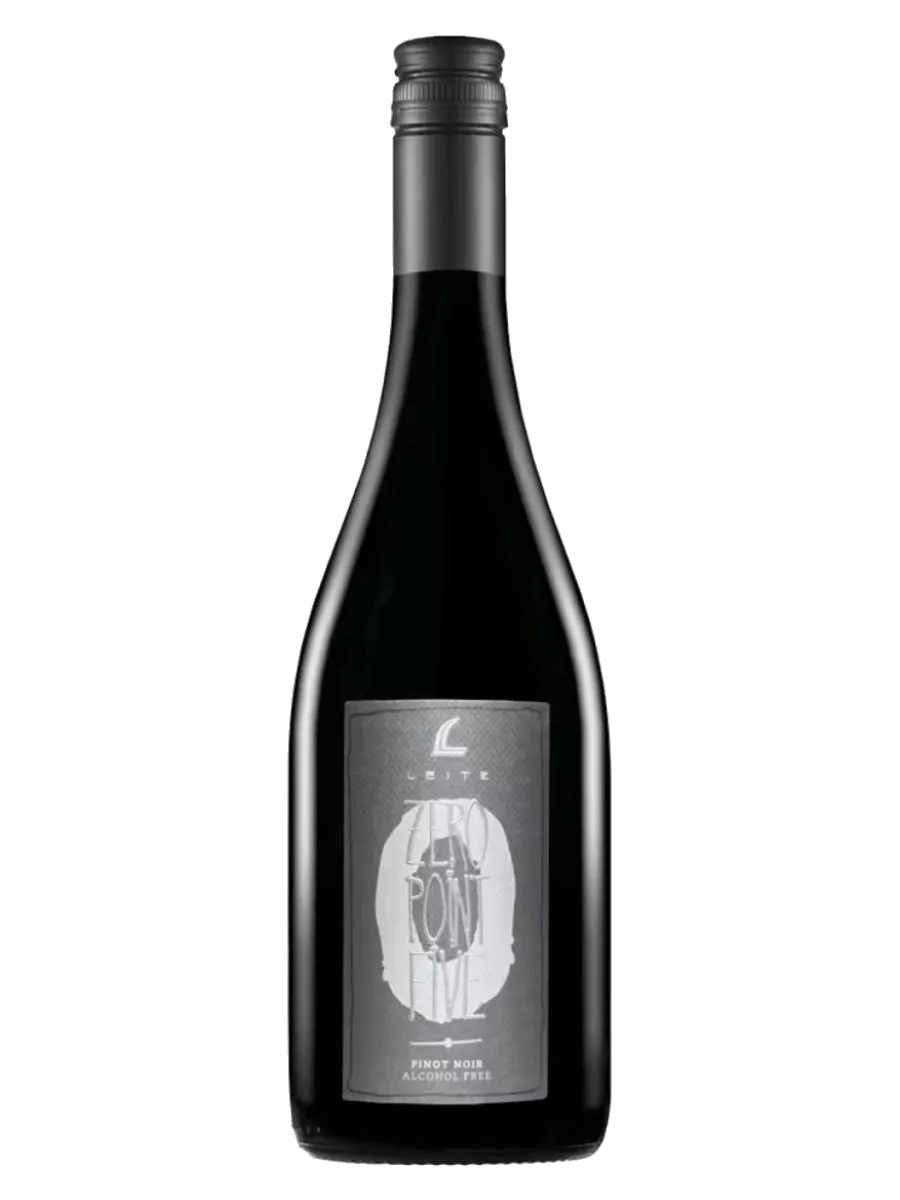
87/100
Standout
Cherry, cranberry, and red currant, then a juicy, light palate with bright acidity and a slightly thin middle. The finish is dry, with gentle tannin, and it lingers. Very good, and convincingly wine-like for the category.
Cool, in a red-wine glass.
Rank 5
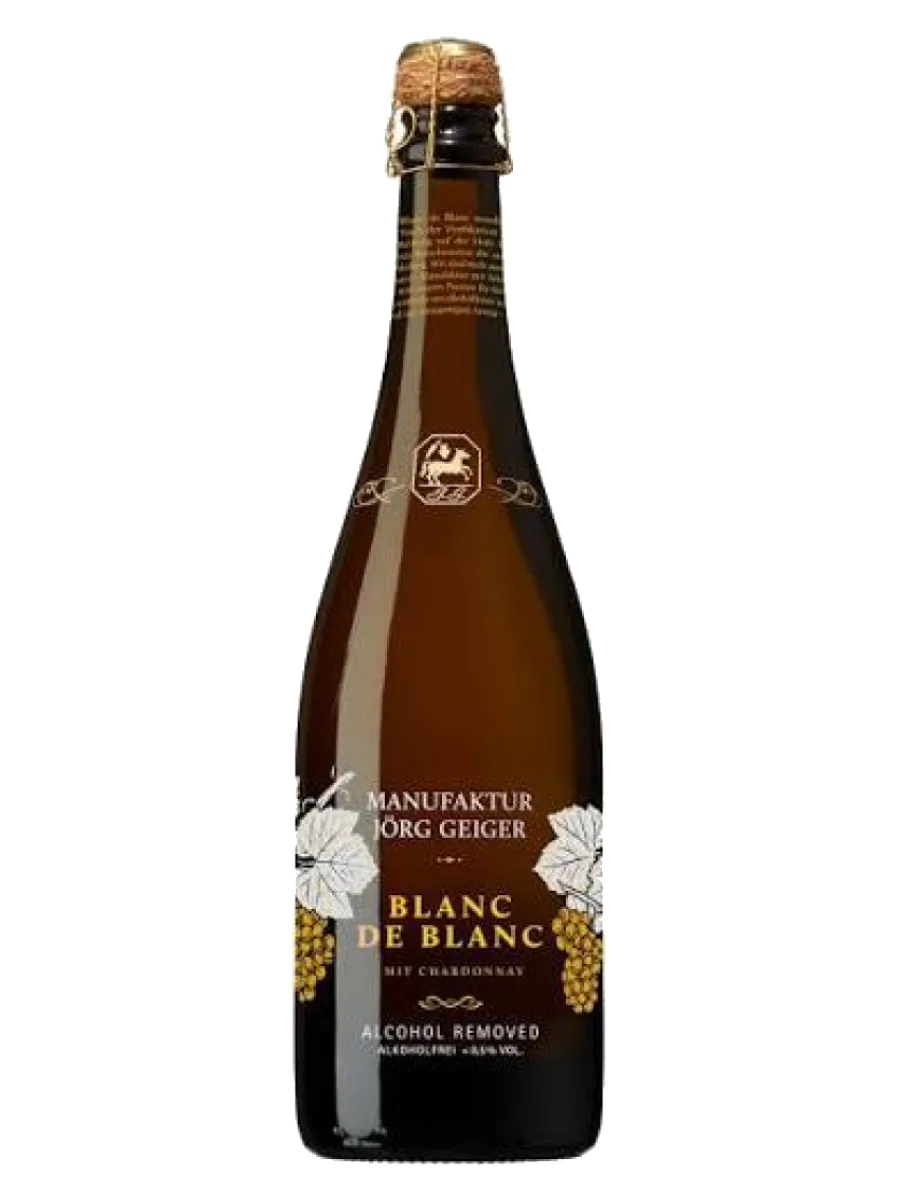
87/100
Standout
Brioche and baked apple over a fine mousse, with more mid-palate weight than most dealcoholized sparklings. The toast stays on the finish.
The dinner-party bottle, and the answer to anyone who says…
Rank 6
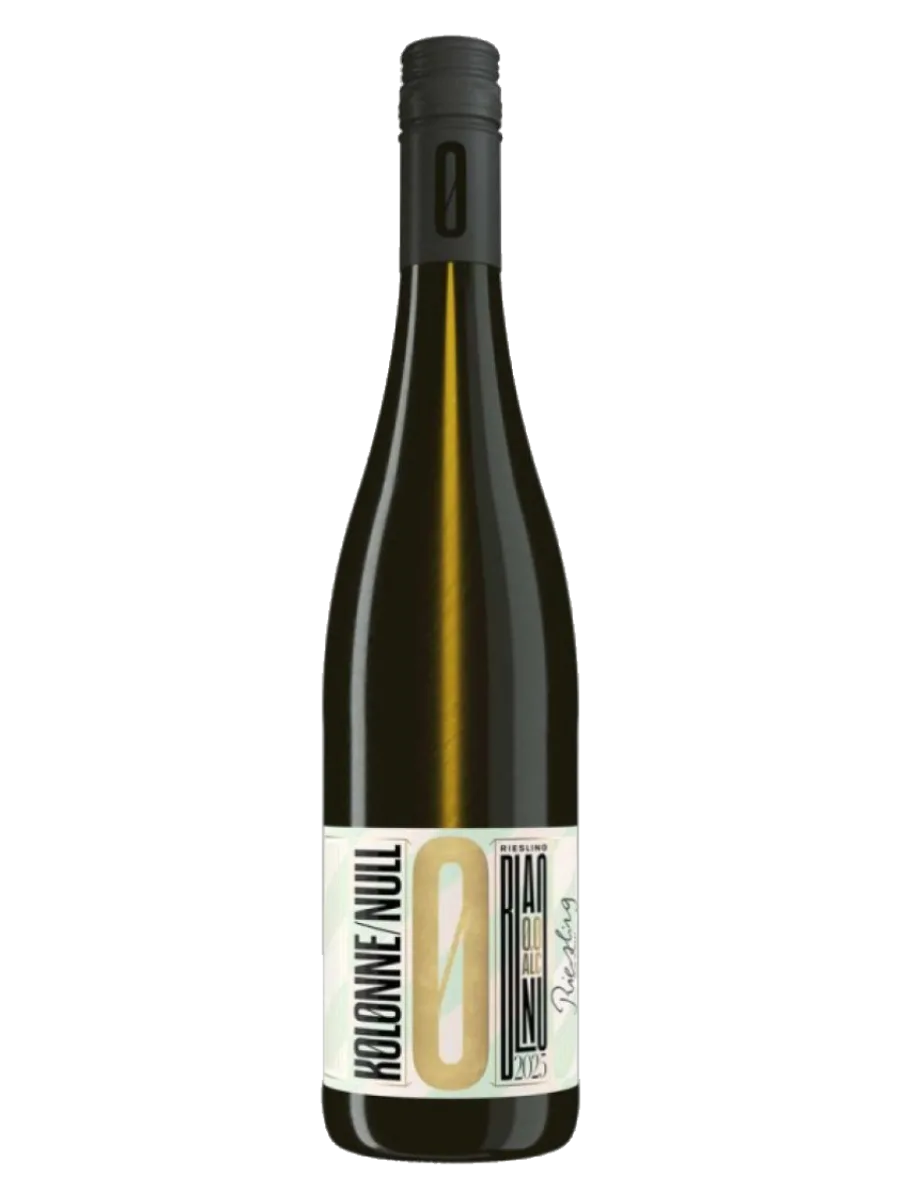
87/100
Standout
Mirabelle, quince, and slate salt — acid against a little must-sweetness. Short citrus-and-salt close; keep it cold.
Fish, spicy noodles, or a Riesling drinker who wants a documented 0.0%.
Rank 7
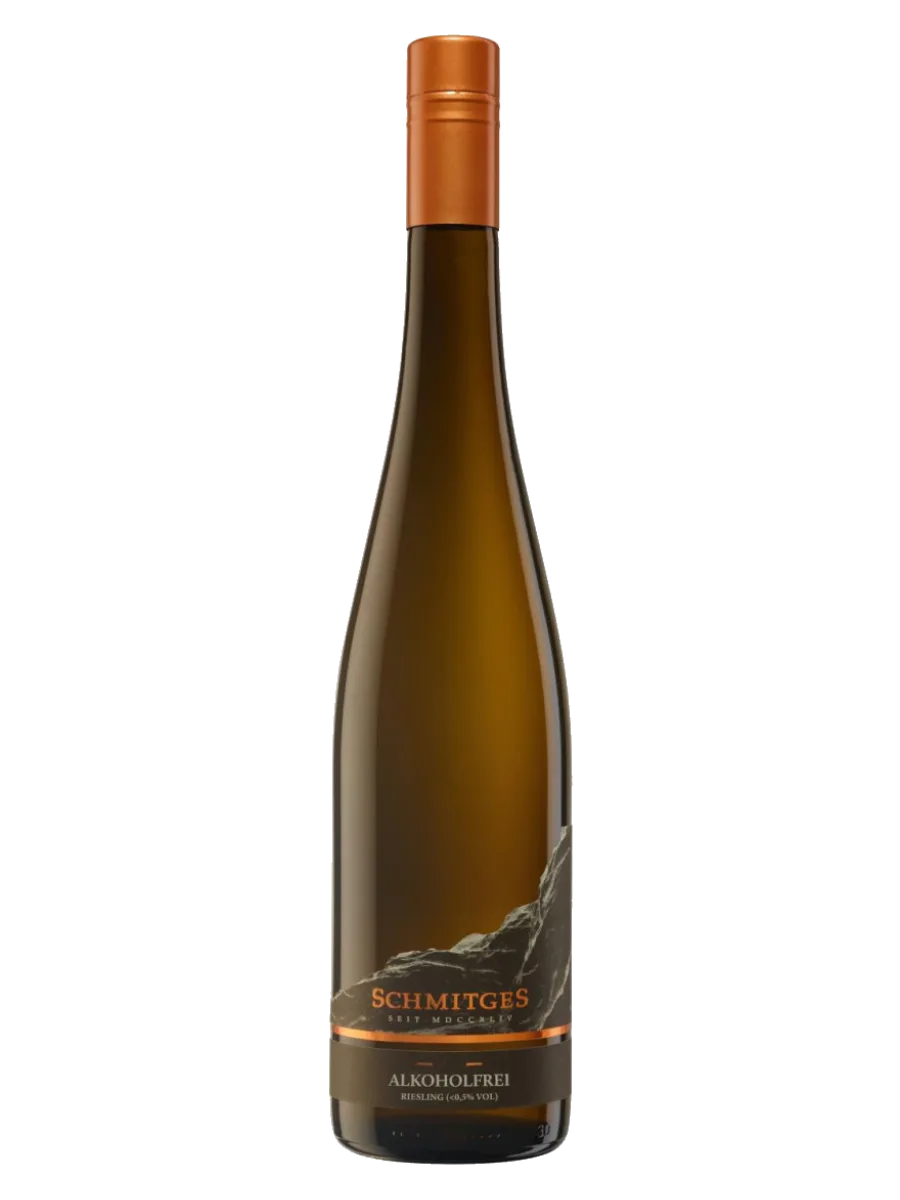
86/100
Standout
A very good, refreshing alcohol-free Riesling with genuine varietal appeal. Its acidity and persistent finish distinguish it more than aromatic complexity or body. An easy recommendation for drinkers who enjoy crisp, off-dry whites.
Rank 8
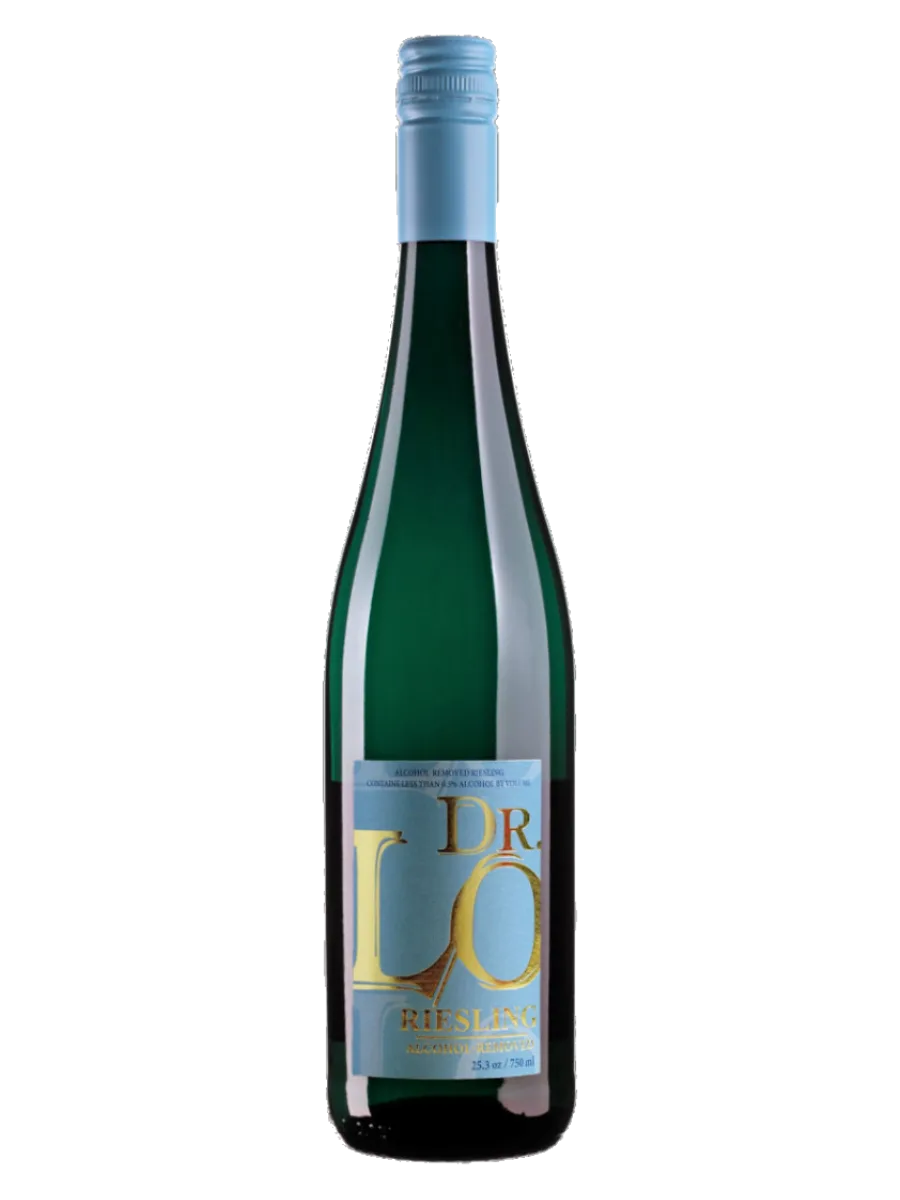
Rank 9
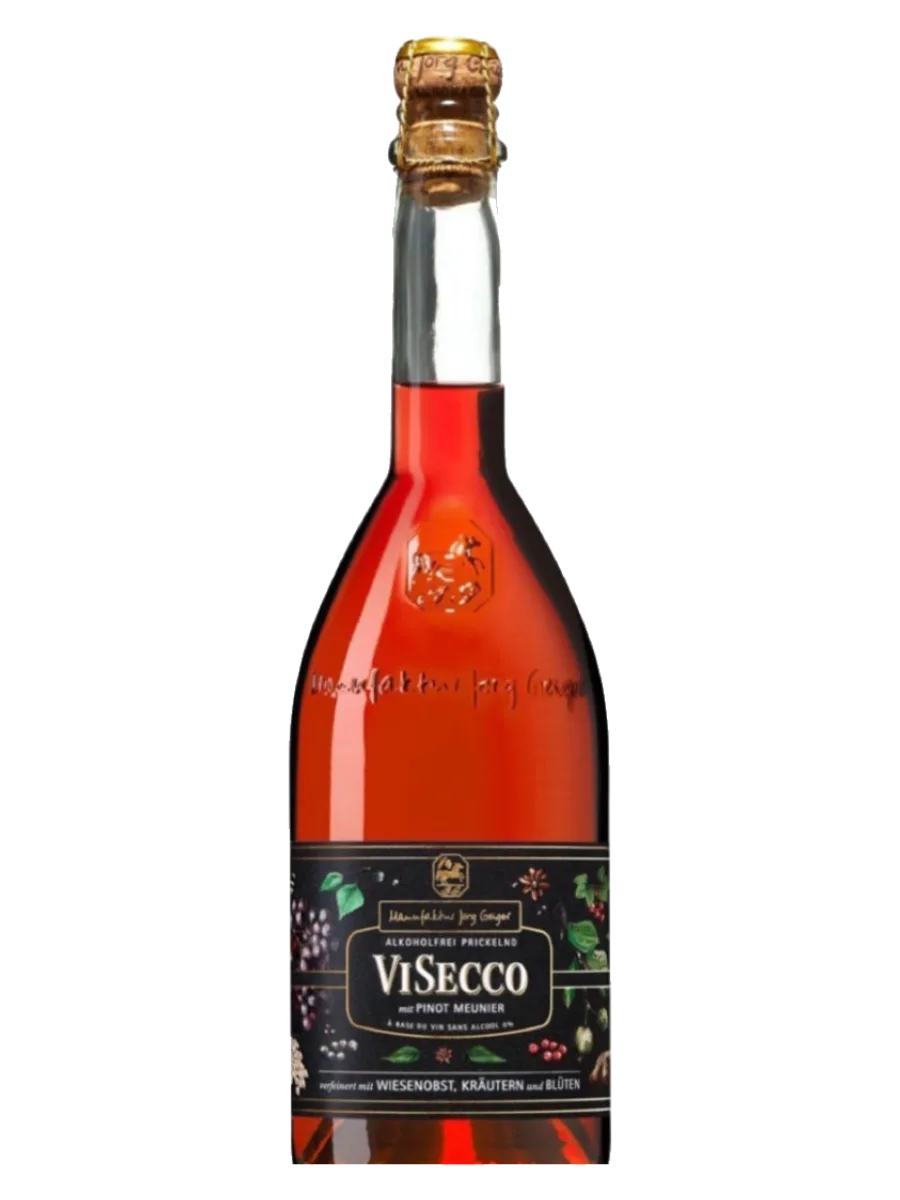
85/100
Standout
Pinot Meunier fruit with floral, grassy meadow herbs — dry, elegant, long herbal finish.
Anyone tired of nonalcoholic sparkling that tastes like sweet apple…
Rank 10
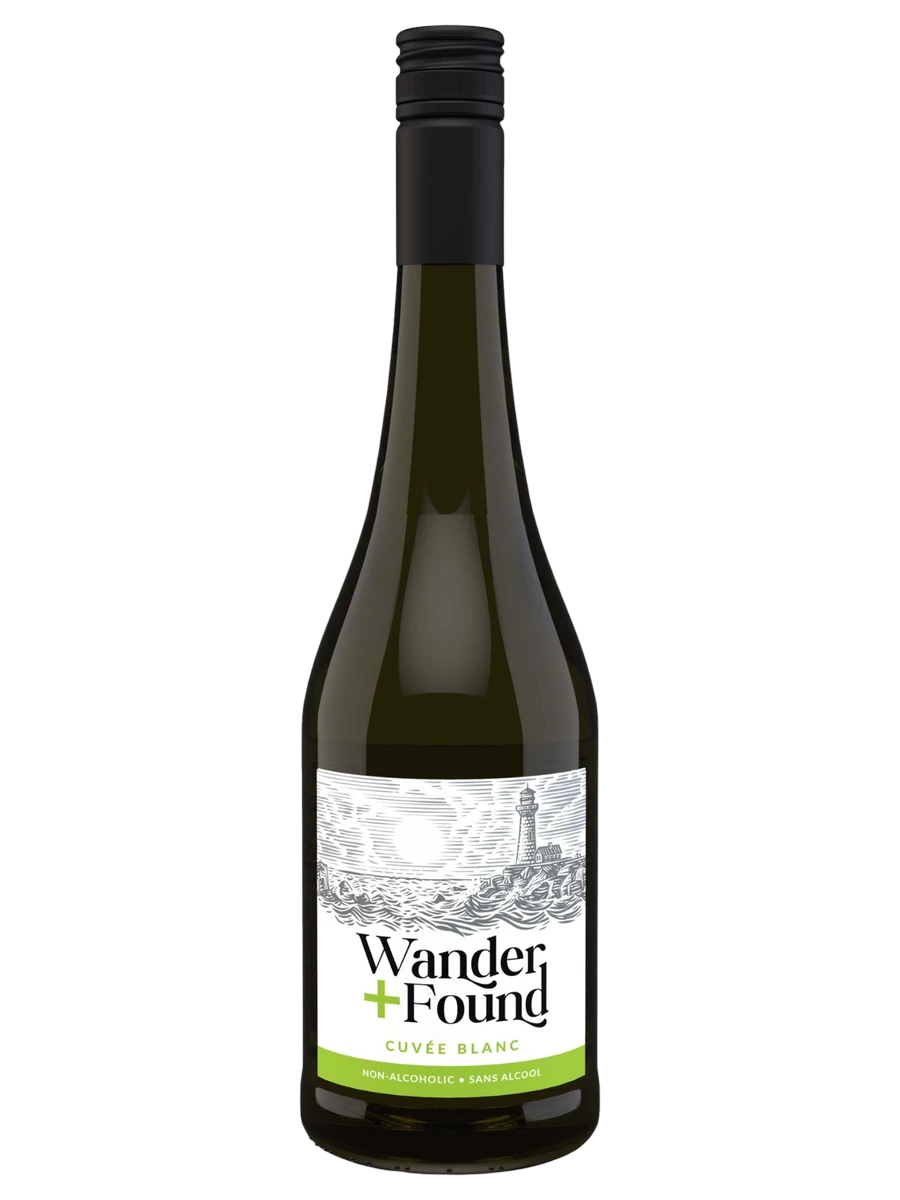
84/100
Citrus-led still white: green apple, lime, lively acidity, a rounded texture, and sweetness that stays in check. Freshness and balance; the fruit is straightforward and the finish does not develop far.
A chilled still white with lighter food or seafood, when freshness…
Rank 11
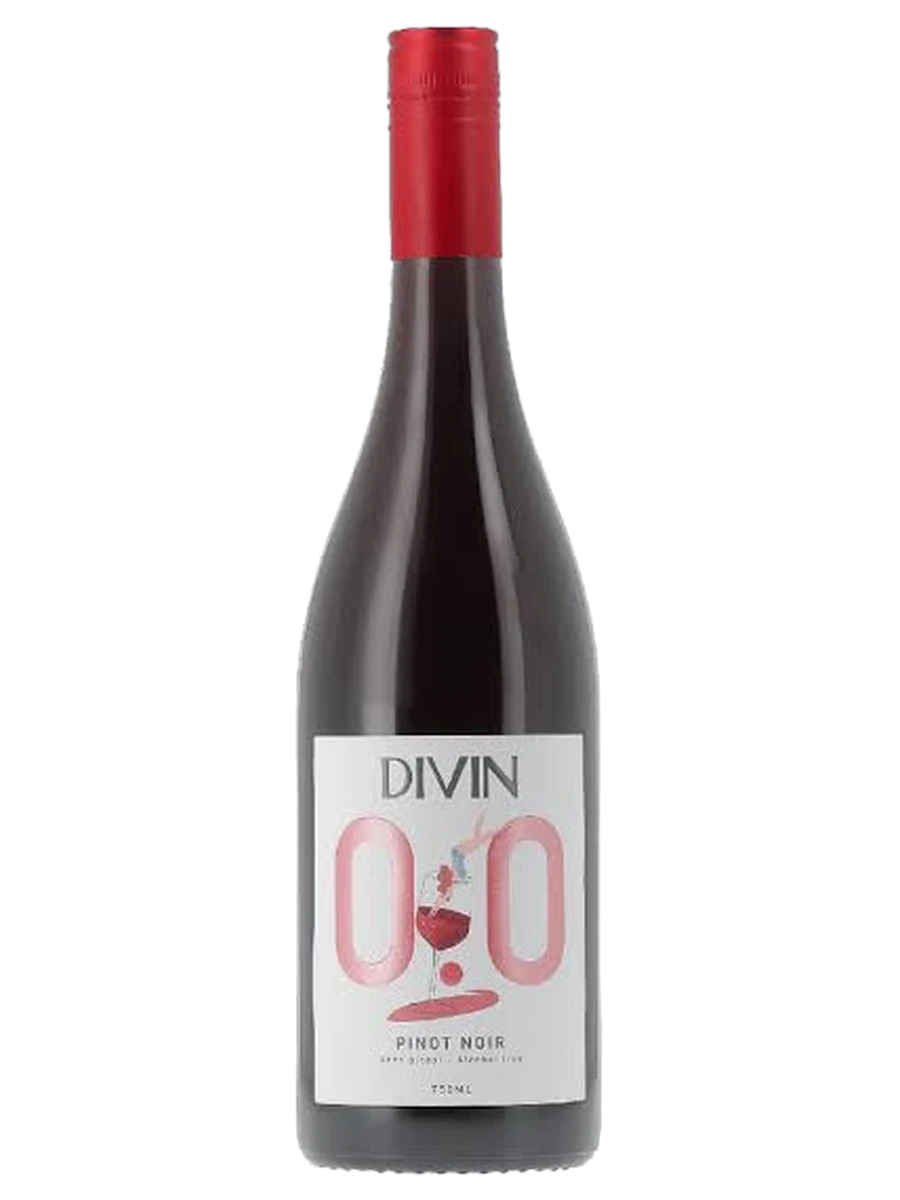
84/100
Nicely balanced for a nonalcoholic Pinot Noir — bright acidity and enough gentle tannin to give cherry, cranberry, and red currant a real frame, not just soft fruit.
A chilled red when you want dry structure and tart red fruit.
Rank 12
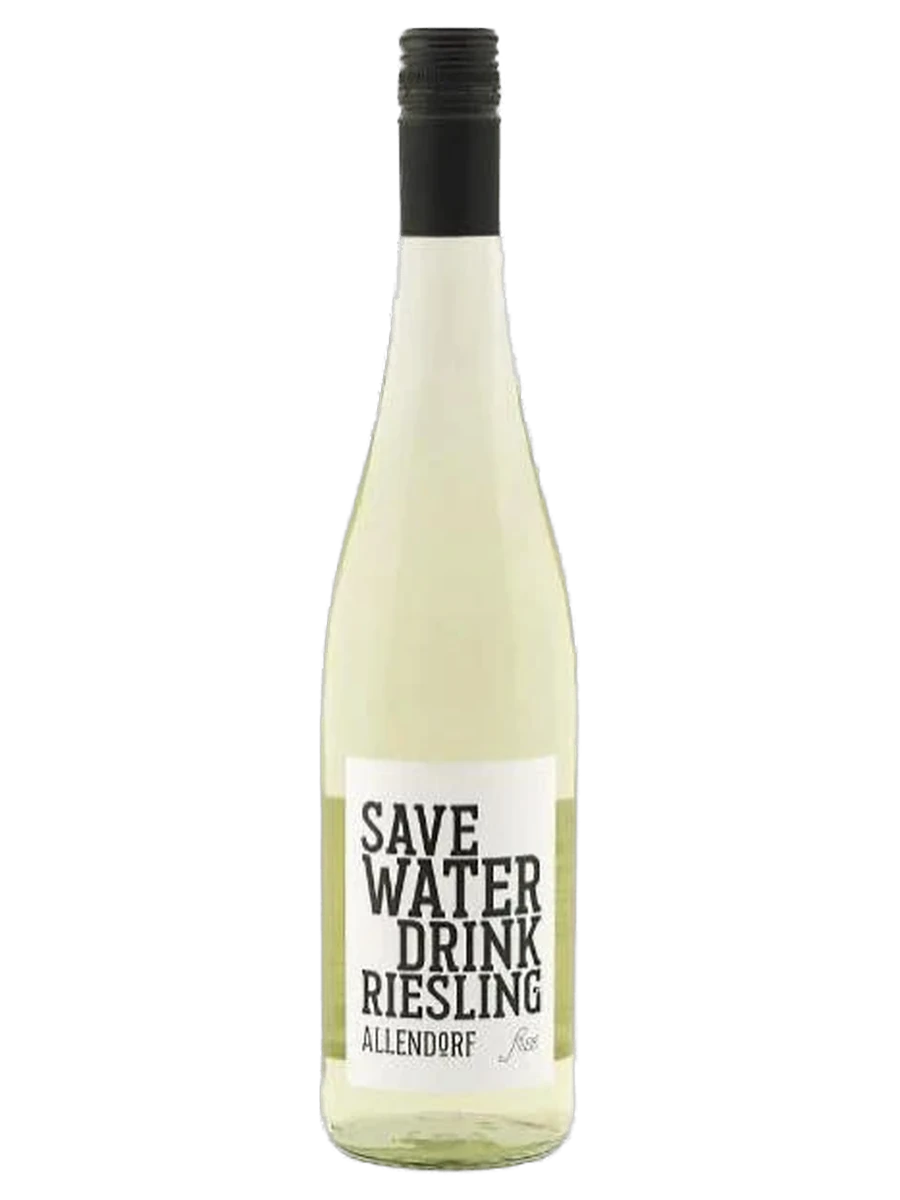
84/100
A nicely balanced nonalcoholic Riesling. The sweetness is noticeable, but lively acidity and a slight mineral edge keep it in proportion. A good fit for drinkers who enjoy a lightly sweet white.
Drinkers who enjoy a lightly sweet Riesling with bright acidity.
Keep exploring the cellar
All German winesWays to shop this list Pick by preference
The highest-scoring tasted bottle that meets each preference.
-
0.0%
Kolonne Null Riesling
87/100
0.0% ABV
Mirabelle, quince, and slate salt — acid against a little must-sweetness. Short citrus-and-salt close; keep it cold.
-
Under $20
Leitz Eins-Zwei-Zero Riesling
88/100
<0.5% ABV
The dealcoholized Riesling most often worth opening. Acidity keeps the residual sugar honest; what is missing is ethanol weight, not varietal character.
-
Dry
Kolonne Null Verdejo 2023
87/100
<0.5% ABV
A balanced, satisfying dealcoholized Verdejo. Gentle sweetness and rounded texture complement fresh acidity, while the persistent melon finish gives it staying power. It feels complete and invites another sip.
How these lists are chosen
What was evaluated
48 tasted German wines with a public score. Research records are not candidates.
Who qualifies
Ranked from 48 tasted German nonalcoholic wines, by firsthand score. The top 12 are listed. Research-only products are excluded. A tied score lists the more recent tasting first. Only wine with a sourced German origin qualifies. Updated October 2026.
What the score is rewarding
The same tasting standard as the rest of the wine cellar, limited to a sourced German origin.
What tends to go wrong
Treating alkoholfrei as a 0.0% residual, or treating a German legal name as a Dry Standard verdict.