
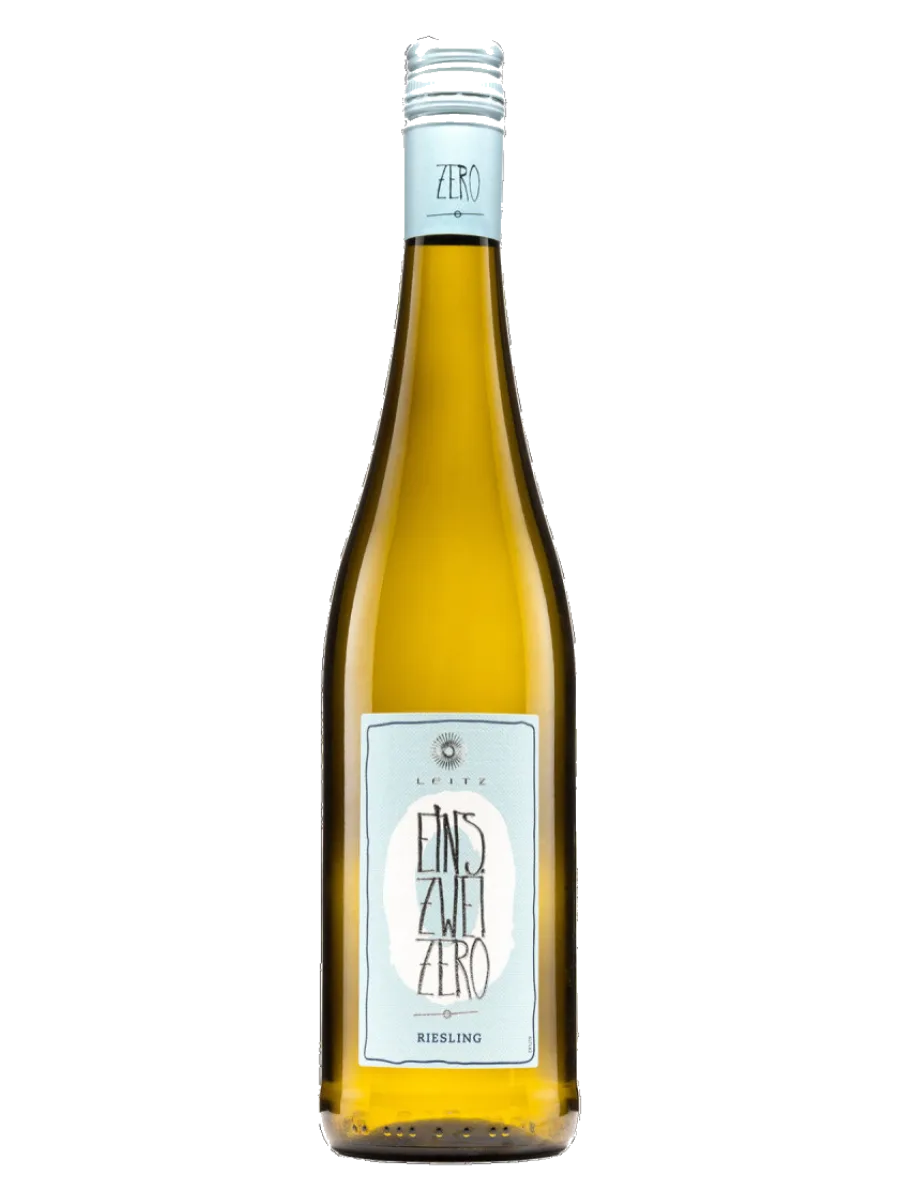
88/100
The short takeThe dealcoholized Riesling most often worth opening. Acidity keeps the residual sugar honest; what is missing is ethanol weight, not varietal character.
Tasted Karl HillHow we score
Serve Well chilled, 6–8°C, in a white-wine glass.
Who it’s for Weeknight fish, spicy takeout, or anyone who wants Riesling acidity without a full pour of ethanol.
In the glass
- Nose
- lime zest, green apple skin, a snap of rhubarb, and a cool mineral line. It smells like Riesling first and like a reduced wine second.
- Palate
- Bright and a little sweet, then pulled taut by acidity. Citrus and red apple sit over a lighter body than a full-strength Eins-Zwei-Dry, but the grape is still the point.
- Finish
- Clean, lingering citrus pith.
Structure and likeness Show Hide
Structure
- Sweetness
- Off-dry
- Acidity
- Bright acidity
- Body
- Light body
- Finish length
- Short finish
How wine-like is it?
Separate from the score. A convincing resemblance is not a higher rating.
Riesling before it is a reduced wine. Lime zest, apple skin, rhubarb, and a mineral line, with acidity keeping a little sweetness honest. Lighter than a full-strength Eins-Zwei-Dry. The grape holds. The weight does not.
The wine
Rhubarb. That snap sits in the nose with lime zest, green apple skin, and a cool mineral line, and it is the reason this does not smell like a citrus Riesling from a template. Riesling first. A reduced wine second.
Acidity keeps the sugar honest. You are not in a dry wine, whatever the ease of the finish suggests, and the acidity is why the sweetness does not sprawl. Citrus pith lingers. After the glass has sat, the sugar is easier to find, so pour it cold, in a white-wine glass, and do not save it for a cocktail.
The grape is intact. The missing alcohol shows up as lightness, a thinner frame under fruit that is still specific. That is a Riesling. It is not a hole where a Riesling used to be.
Apple skin, not apple juice. Lime zest, not a soft citrus drink. The rhubarb keeps both from going sweet, and the mineral line under them is cool. Red apple shows up when you taste it, a step riper than the nose. Pith on the finish makes the ending seem drier than the middle was. Cold, that tension holds. After the glass sits, the sweetness is easier to catch, and the wine is still the same wine.
88 sits above the median of the 19 dealcoholized Riesling bottles we've tasted.
How to drink it
The rest of the serving note.
Show
Hide
Well chilled, 6–8°C, in a white-wine glass. Not a cocktail base.
The bottle
Trade record, where to buy, and product facts.
Show
Hide
Where to buy
- Leitz
- Package
750 ml
$16–20
- Also listed
- Leitz · Producer
- Availability
US wine shops and online retailers; widely listed as a 750 ml NV bottling
Prices and availability are independently observed and may change. Retailer listings do not imply endorsement. A different package is labeled as a different format. Reader-service exceptions and commercial links are identified above; neither affects scores, rankings, classification, verification, or editorial coverage.
Product facts
- Producer
- Weingut Leitz
- Origin
- Rheingau, Germany
- Residual sugar
- 38.9 g/L
- Base beverage
- Estate Riesling, gently pressed and cool-fermented in stainless steel
- Bottle / can
- 750 ml
Sources disagree on Ingredients and Region. Send a correction
Sources & verification
Show details
Hide details
Source links leave this site and open in a new tab.
Where sources disagree
Sources disagree on the following points.
- Ingredients: Boucherville previously listed 100% Riesling for this SKU; that retailer URL 404’d as of 2026-09-21. Living Leitz producer and shop pages describe vacuum dealcoholization and Riesling-family naming but do not reprint a varietal percentage or ingredient line. Ingredients field removed rather than carried on a dead sole source.
- Region: Rheingau was carried from the same dead Boucherville listing. The Leitz FAQ names EINS-ZWEI-DRY as a Rheingau Riesling (namesake), not a sourced region line for this Zero bottling. Region kept with unverified confidence pending a living SKU sheet.
Evidence at a glance
- Producer documented9 facts
- Bottle verified1 fact
- Secondary source1 fact
- Retailer sourced3 facts
Sources
-
Bottle / can label Bottle label
- Barcode (EAN/GTIN)
Note
- Barcode (EAN/GTIN)
- Barcode recorded from packaging or producer listing
Additional sources
Product record history Sourced changes and open disagreements. Prior claims stay on the record when sources conflict.
- ReviewedReviewed and published.
- UpdatedCatalog record updated from sourced research.
- OpenDiscrepancyIngredients and Region.
Compare holds up to four. Want to try keeps a bottle in My Bottles.
Keep tasting
Similar bottles
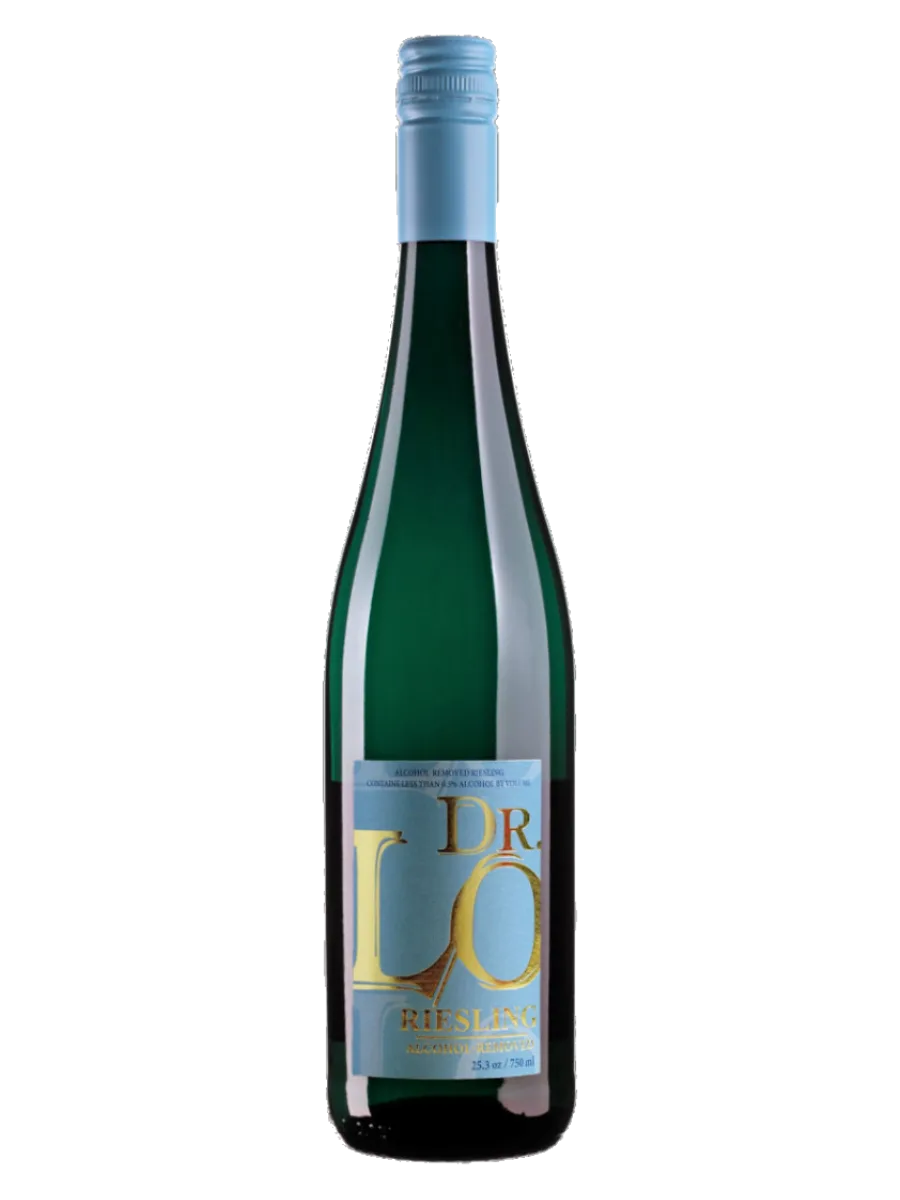
86/100
Standout
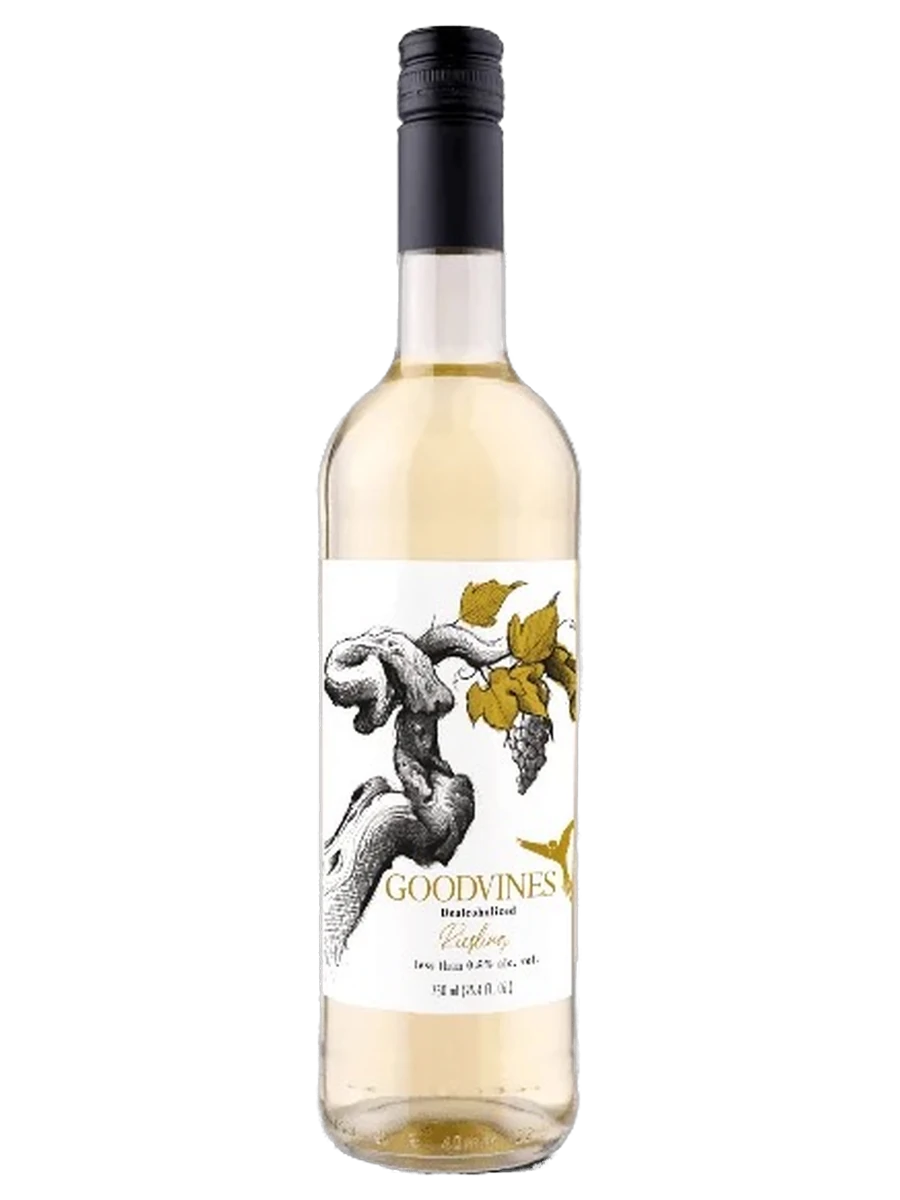
82/100
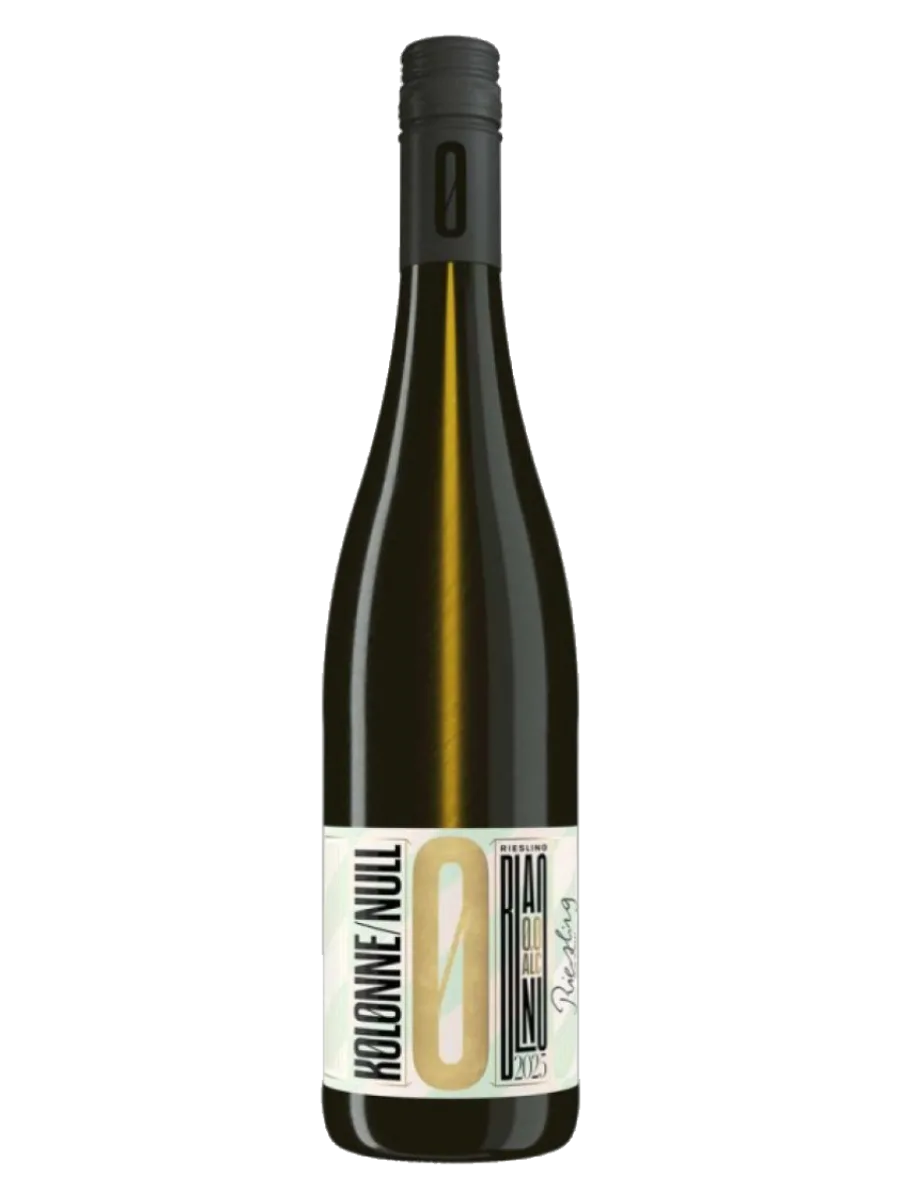
87/100
Standout
Kolonne Null Riesling is €10.90 per 750 ml. This bottle is $16–20.
Fish, spicy noodles, or a Riesling drinker who wants a documented 0.0%.
88/100