
Chardonnay
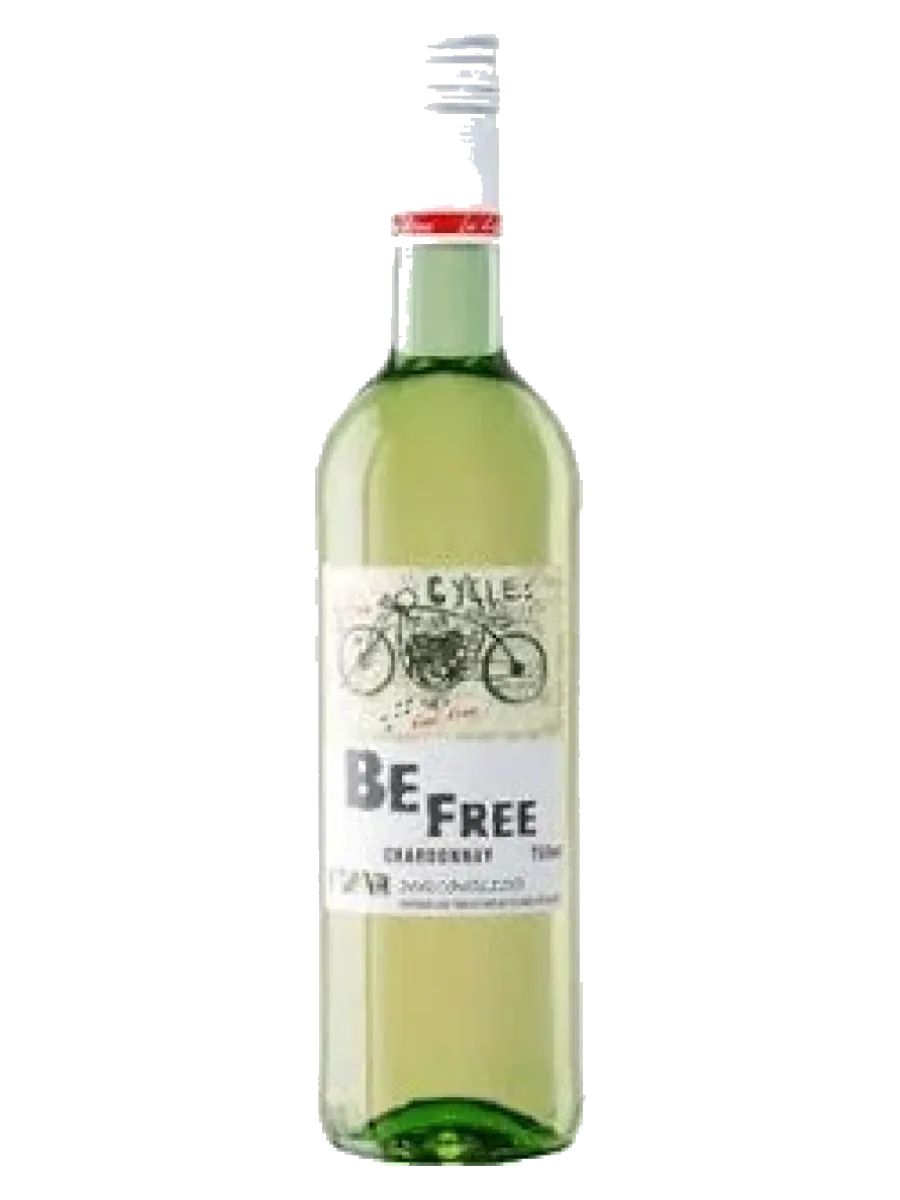
77/100
The short takeTropical and soft — lychee, peach, and pineapple lead a lightly sweet sip that finishes short-medium and peachy. Easy fruit with modest ambition.
Tasted Karl HillHow we score
Serve Chilled, everyday white-wine glass.
Who it’s for The first glass of the evening, mild cheese, or anyone who wants soft tropical fruit without a dry dare.
Try instead
-
2024 Chardonnay
A higher-scoring bottle in this style
Oceano Zero 2024 Chardonnay sits at 88 in the same style. It has less perceived sweetness and stronger acidity.
Compare -
2023 Neue Brut
A higher-scoring bottle in this style
Society De La Rassi 2023 Neue Brut sits at 87 in the same style. It has stronger acidity.
Compare -
Still Chardonnay
A higher-scoring bottle in this style
BOLLE Still Chardonnay sits at 86 in the same style. It has less perceived sweetness.
Compare
TDS Wineprint
This pour · documented production
In the glass
- Appearance
- Pale straw.
- Nose
- Lychee, peach, and pineapple — tropical fruit first, with peach staying soft and floral around the edges.
- Palate
- Soft, fruity, lightly sweet through the middle. Peach and pineapple carry the sip; the sweetness sits under the fruit rather than on top, without a sharp acid cut.
- Finish
- Short-medium — tropical fruit fading into a peachy close, gone before it argues for structure.
Structure and likeness Show Hide
Structure
- Sweetness
- Off-dry
- Acidity
- Moderate acidity
- Body
- Light body
- Finish length
- Medium finish
- Carbonation
- Still
How wine-like is it?
Separate from the score. A convincing resemblance is not a higher rating.
Reads as a soft, fruity nonalcoholic white more than a classic Chardonnay structure — tropical sweetness over oak or mineral line.
The wine
Tropical fruit does the talking. Lychee and peach open with pineapple behind them — soft, fruity, lightly sweet, and gone before the glass pretends toward structure.
Pale straw under a white screw cap with a thin red collar. The nose is lychee first, then peach and pineapple — tropical rather than orchard Chardonnay. On the palate the fruit stays soft and lightly sweet; peach and pineapple carry the middle without a sharp acid cut or oak frame. Short-medium finish fades tropical into peachy and stops. Technique undeclared; the Be Free line is dealcoholized German wine under a half-percent ceiling. At this price band it sits with the other Be Free whites: easy fruit, modest ambition, no betrayal into bitterness. Chill it, pour it for people who want tropical softness without a dare, and do not ask it to be Giesen or Isabel.
77 sits below the median of the 29 dealcoholized Chardonnay bottles we've tasted.
The bottle
Show
Hide
Research notes
Vivino lists Be Free Dealcoholized Chardonnay; named removal technology unpublished. Evidence normalization 2026-09-21: the verified mark was removed — the classification rests on a secondary source (Vivino); the dealcoholized classification is unchanged. Dutch retailer listings for the same barcode print the bottler as Peter Mertes KG Weinkeller, Bernkastel-Kues. Peter Mertes KG says on its company page that it operates its own vacuum distillation plant for dealcoholization; it does not tie Be Free to that plant, so the technique stays undeclared.
Where to buy
No producer purchase link on file.
- Package
750 ml
- Typical price
-
32.50 PLN / 750 ml
- Availability
European retail including Spiżarnia pod Łysą Górą (PL); US specialty listings vary
Availability is market-specific; a producer link does not establish shipping to every country. Prices and availability are independently observed and may change. Retailer listings do not imply endorsement. A different package is labeled as a different format. Reader-service exceptions and commercial links are identified above; neither affects scores, rankings, classification, verification, or editorial coverage.
Product facts
- Producer
- Peter Mertes
- Origin
 Germany
- Bottle / can
- 750 ml
Sources disagree on Region. Send a correction
Sources & verification
Show details
Hide details
Source links leave this site and open in a new tab.
Where sources disagree
Sources disagree on the following points.
- Region: Vivino lists Mosel; CellarTracker lists Pfalz. Region left blank until a producer source settles it.
Evidence at a glance
- Bottle verified1 fact
- Retailer sourced9 facts
- Unverified3 facts
Production record
3 core facts remain to be documented or rechecked.
- Classification
- Not verified
- Method
- Undeclared
- ABV
- Ceiling declaration
- Origin
- Documented
- Record
- Has open discrepancy
Sources
-
Bottle / can label Bottle label
- Volume
-
Note
- Production
- It does not name a removal machine.
-
Note
- Producer
- Listing for the same EAN as the identifiers block prints "Gebotteld door: Peter Mertes KG Weinkeller, Bornwiese 4, 54470 Bernkastel-Kues". Broeders Gezondheidswinkel carries the same bottler line.
-
Community database Community database
- Barcode (EAN/GTIN)
Note
- Barcode (EAN/GTIN)
- Barcode recorded from packaging or producer listing Unable to re-verify on 2026-10-10.
Additional sources
Product record history Sourced changes and open disagreements. Prior claims stay on the record when sources conflict.
- ReviewedReviewed and published.
- UpdatedCatalog record updated from sourced research.
- OpenDiscrepancyRegion.
Structure
Closest by structure
-
Cabernet Sauvignon
78
same structure profile
Compare -
Pinot Noir
78
same structure profile
Compare -
Wonderful White
79
same structure profile
Compare
77/100