
Sparkling
85/100
The short takeA sweet Muscat sparkler with a fine, persistent bead. Fruit and creaminess lead; the mousse supplies the freshness. Charm and varietal perfume over dryness or snap.
Tasted Karl HillHow we score
In the glass
-
Appearance
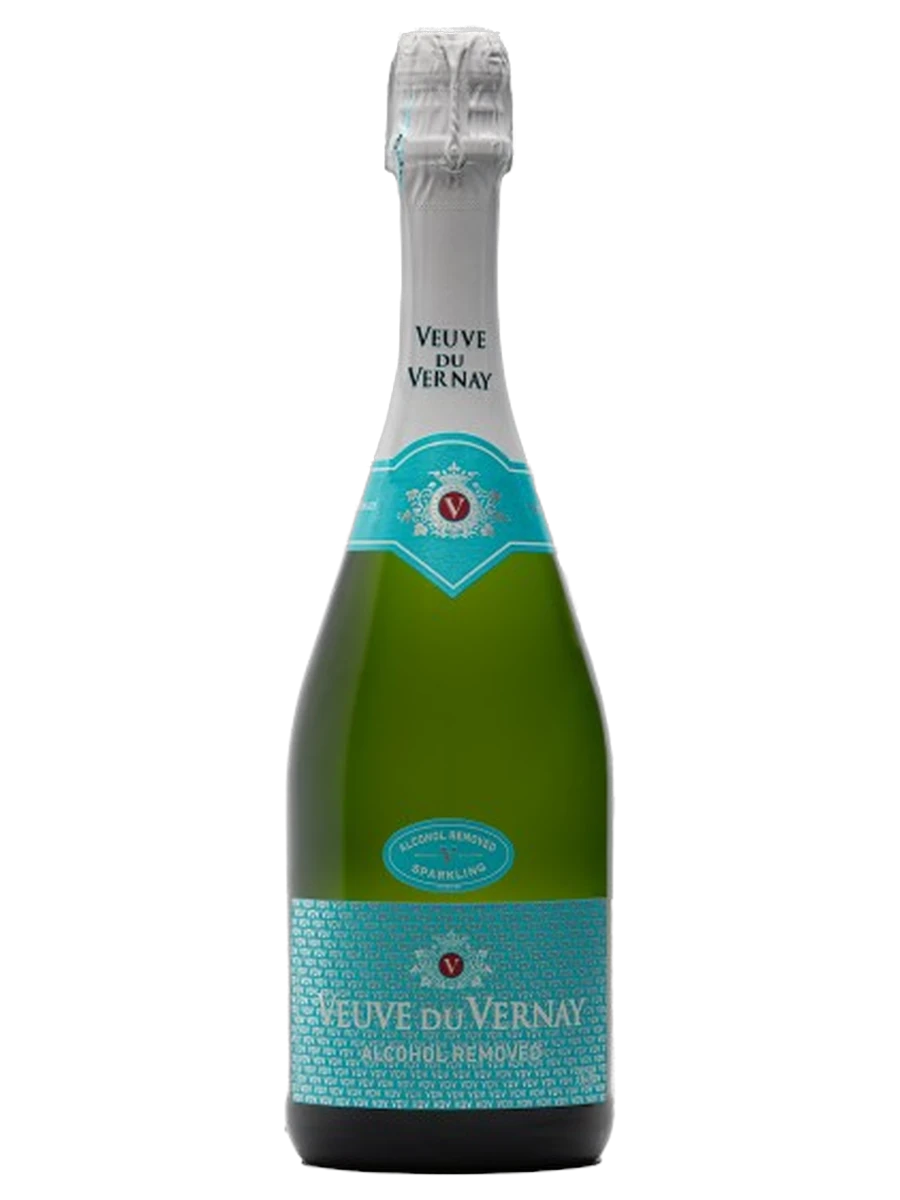
Pale gold, brilliant, with a fine and persistent bead.
-
Nose
Expressive white flowers, ripe pear, and stone fruit. The Muscat line is immediate and recognizable.
-
Palate
Sweet and fruit-forward, with rounded orchard-fruit flavors and a gentle, creamy texture through the middle. The mousse and a moderate sense of freshness keep the sugar from sitting heavy, without turning the sip crisp or dry.
-
Finish
Fresh and persistent, carrying floral and orchard-fruit notes through a lingering close.
How wine-like is it?
Convincingly Muscat: varietal florals, orchard fruit, and sparkling structure. Sweeter and rounder than a dry sparkler.
Structure
- Sweet
- Moderate acidity
- No tannin
- Medium body
- Long finish
- Creamy
- High sparkle
The wine
The sweetness arrives first. Orchard fruit and a creamy mid-palate would flatten a still glass; here the bead is fine and persistent enough to keep the sip moving. Pale gold, brilliant, the mousse does more balancing work than the acid.
White flowers, ripe pear, and stone fruit announce Muscat without hesitation. The palate follows that lead: sweet, rounded, fruit-forward, with a gentle creaminess through the middle. Perceived freshness is moderate — enough lift that the sugar does not sit heavy, not enough snap to call this crisp or dry. Fine carbonation can prickle and read as refreshment; that is not the same as high acidity. Off-dry would undersell the residual sugar.
Floral and pear notes hang on through a lingering close. It is a Moscato-shaped sparkler: varietal perfume, recognizable fruit, and sparkling structure, with charm ahead of tension. Dealcoholized, it still drinks as Muscat rather than as a dry aperitif rebuilt after removal.
Pour it well chilled for a sweet toast or fruit dessert, or for anyone who wants that floral Muscat line with bubbles. Drinkers hunting a dry, high-acid sparkler should look elsewhere.
How to drink it
Well chilled, in a sparkling-wine glass.
Who it’s for
A sweet toast, fruit dessert, or anyone who wants Muscat perfume without a dry aperitif.
The bottle
Production Dealcoholized
Evidence Producer documented
Production type describes how it is made, not how it tastes. What this classification means.
Method Undeclared
Research notes
Method check 2026-10-24. The official Alcohol Removed page still prints sparkling de-alcoholised wine based drink and 100% Muscat, and names no machine. The editor-supplied US label still names no machine. The importer shop names none. The brand article of 16 November 2022 lists reverse osmosis, vacuum evaporation, and spinning cone as general methods and does not assign one to this wine. The BGPL USA blog names reverse osmosis, then says the aroma compounds are preserved before the alcohol is removed by evaporation. That paragraph is not a clean process statement, so the named technique stays undeclared. The label identifies a carbonated dealcoholised wine-based drink, produced in France by Sorevi and imported by BGPL USA. It declares less than 0.5% alc/vol, 750 ml, and a wine base of a different origin than the finished product. The label lists dealcoholised wine, water, rectified concentrated grape must, potassium bisulphite, citric acid, carbon dioxide, tannins, and dimethyl dicarbonate; it declares sulphites. Nutrition Facts give 67 calories and 12 g total sugars, including 0 g added sugars, per 8 fl oz (240 ml), with 3 servings per container. Launch press (Wine Industry Advisor, 2021) prints SRP $14.99; BGPL shop listed $17.00 for 750 ml on 2026-10-03. Label tasting language is producer marketing, not Karl’s tasting notes.
Verified facts
Evidence: Producer documented · 10 sources
- Not disclosed Method Undeclared
Where to buy
- Veuve du Vernay
- BGPL USA
- Package
750 ml
- Typical price
-
$17.00 / package
- Also listed
- Veuve du Vernay Alcohol Removed — official · Producer
- Availability
US retail; BGPL USA importer shop
Prices and availability are independently observed and may change. Retailer listings do not imply endorsement. A different package is labeled as a different format. Reader-service exceptions and commercial links are identified above; neither affects scores, rankings, classification, verification, or editorial coverage.
Product facts
- Producer
- Veuve du Vernay (Patriarche)
- Base beverage
- Muscat, fermented then dealcoholized
- Bottle / can
- 750 ml
Sources disagree on ABV, Price, Nutrition, Producer, and Method.
Sources & verification
Show details Hide details
Source links leave this site and open in a new tab.
Where sources disagree
Sources disagree on the following points.
- ABV: Producer page says alcohol free / de-alcoholised and does not print a residual. IWSC prints 0.5%. One shop prints 0.0%; Vivino lists 0.01%. Kings Wine and Spirits lists less than 0.5% for the exact 750 ml SKU. The editor-supplied bottle label now confirms less than 0.5%, settling eligibility but not the exact residual. No source shows the residual above 0.5%.
- Price: Launch SRP and live importer shop disagree. Both retained.
- Nutrition: The editor-supplied Nutrition Facts panel is internally inconsistent: it prints Total Carb. as 2.2 mg (9% DV) but Total Sugars as 12 g, and sugars cannot exceed total carbohydrate. A 9% DV also implies a gram figure, not milligrams. The carbohydrate value is therefore not recorded; the 12 g sugars and 67 calories are retained as printed. The same panel prints sodium 1.2 mg (1% DV), protein 0.48 g, calcium 90.3 mg (8%), iron 1.2 mg (2%) and potassium 658 mg (11%) per 8 fl oz (240 ml). A readable producer or importer specification would resolve the carbohydrate line.
- Producer: The bottle label says produced by SOREVI, Route de Challanges, 21200, France, and imported by BGPL USA, Inc., Miami, FL. The stored producer names the Veuve du Vernay brand (Patriarche). The label gives the producing company; the brand-owner relationship between SOREVI and Patriarche is not stated on it. The label prints no city and no grape variety, while the producer page names 100% Muscat and the record region reads Mediterranean coast; the label does not confirm either.
- Method: The producer page, the US label, and the importer shop name a de-alcoholised wine and no machine. The brand article does not choose among the three methods it defines. The importer blog is the only page that names reverse osmosis, and that paragraph also describes evaporation. The named technique stays undeclared.
Evidence at a glance
- Bottle verified6 facts
- Producer documented6 facts
- Distributor sourced1 fact
- Press sourced1 fact
- Unverified1 fact
Sources
-
Bottle / can label Bottle label
- Volume
- ABV (sources disagree)
- Ingredients
- Calories
- Sugar
- Identifiers
6 notes
- Volume
- Back label states 750 ml, corroborating the existing volume.
- ABV
- Editor-supplied bottle-label photograph states "CONTAINS LESS THAN 0.5% ALC/VOL." This confirms the ceiling, not an exact residual.
- Ingredients
- Transcribed from the editor-supplied back-label photograph: de-alcoholised wine (different origin than the product), water, rectified concentrated grape must, potassium bisulphite, citric acid, carbon dioxide, tannins, dimethyl dicarbonate; contains sulphites.
- Calories
- Nutrition Facts: 67 calories per 8 fl oz (240 ml), 3 servings per container. The same panel lists 0 g fat, sodium 1.2 mg, protein 0.48 g, calcium 90.3 mg, iron 1.2 mg and potassium 658 mg per serving; its carbohydrate line is inconsistent with the sugars figure (see discrepancies).
- Sugar
- Nutrition Facts: 12 g total sugars, including 0 g added sugars, per 8 fl oz (240 ml).
- Identifiers
- Back-label UPC matches the existing product identifier.
-
Producer veuveduvernay.com
- Production
- Method (sources disagree)
- Country
- Base beverage
- Producer (sources disagree)
4 notes
- Production
- Producer: Sparkling de-alcoholised wine based drink. Front label: ALCOHOL REMOVED SPARKLING.
- Method
- Method check 2026-10-24. Producer page and US label name a de-alcoholised wine and no machine. The brand article of 2022-11-16 lists three methods and assigns none. The importer shop names none. The BGPL blog names reverse osmosis and then describes evaporation. Named technique left undeclared.
- Country
- Produced and bottled in France.
- Base beverage
- Grape: 100% Muscat.
-
Note
- Barcode (EAN/GTIN)
- Importer product data supplies the barcode for its 750 ml Alcohol Removed bottle.
-
Note
- Price
- Launch SRP $14.99. See discrepancies for BGPL shop $17.00.
Product record history Sourced changes and open disagreements. Prior claims stay on the record when sources conflict.
- ReviewedReviewed and published.
- UpdatedCatalog record updated from sourced research.
- OpenDiscrepancy · ABVProducer page says alcohol free / de-alcoholised and does not print a residual. IWSC prints 0.5%. One shop prints 0.0%; Vivino lists 0.01%. Kings Wine and Spirits lists less than 0.5% for the exact 750 ml SKU. The editor-supplied bottle label now confirms less than 0.5%, settling eligibility but not the exact residual. No source shows the residual above 0.5%.
- OpenDiscrepancy · PriceLaunch SRP and live importer shop disagree. Both retained.
- OpenDiscrepancy · NutritionThe editor-supplied Nutrition Facts panel is internally inconsistent: it prints Total Carb. as 2.2 mg (9% DV) but Total Sugars as 12 g, and sugars cannot exceed total carbohydrate. A 9% DV also implies a gram figure, not milligrams. The carbohydrate value is therefore not recorded; the 12 g sugars and 67 calories are retained as printed. The same panel prints sodium 1.2 mg (1% DV), protein 0.48 g, calcium 90.3 mg (8%), iron 1.2 mg (2%) and potassium 658 mg (11%) per 8 fl oz (240 ml). A readable producer or importer specification would resolve the carbohydrate line.
- OpenDiscrepancy · ProducerThe bottle label says produced by SOREVI, Route de Challanges, 21200, France, and imported by BGPL USA, Inc., Miami, FL. The stored producer names the Veuve du Vernay brand (Patriarche). The label gives the producing company; the brand-owner relationship between SOREVI and Patriarche is not stated on it. The label prints no city and no grape variety, while the producer page names 100% Muscat and the record region reads Mediterranean coast; the label does not confirm either.
- OpenDiscrepancy · MethodThe producer page, the US label, and the importer shop name a de-alcoholised wine and no machine. The brand article does not choose among the three methods it defines. The importer blog is the only page that names reverse osmosis, and that paragraph also describes evaporation. The named technique stays undeclared.
- Fact corrected · Method facetCorrected from reverse-osmosis to undeclared. The brand article lists reverse osmosis, vacuum evaporation, and spinning cone without assigning one. The BGPL blog names reverse osmosis and then describes evaporation. The producer page, the US label, and the importer shop name no machine.
- Method verified · MethodCorrected from Reverse osmosis after the wine is produced (Barton & Guestier USA / BGPL brand note for this Alcohol Removed sparkling). Producer page names de-alcoholised wine and does not name the machine. to Undeclared. Producer page and US label name a de-alcoholised wine and no machine.. Same check. A named technique is not retained from the importer blog.
Taste
Want something drier?
-
Sauvignon Blanc
Surely Sauvignon Blanc has less perceived sweetness and stronger acidity.
Compare -
2024 Tuscan Syrah
Andreina 2024 Tuscan Syrah has less perceived sweetness and stronger acidity.
Compare -
Cabernet Sauvignon
Be Well Cabernet Sauvignon has less perceived sweetness and stronger acidity.
Compare