
Labels
0.0% vs <0.5%: what's the difference?
0.0% is a stated residual. Under 0.5% is a ceiling. In this cellar the bands do not predict score — they answer different buyer constraints.
The short answer
0.0% is a number a source was willing to state. Under 0.5% is a ceiling. People who will drink up to half a percent and people who want a stated zero are not shopping for the same fact. The residual does not tell you how it was made.
- 0.0% may be a measured zero, a rounded zero, or a house standard.
- Under 0.5% is a ceiling, not an exact residual.
- The ABV band is not a quality predictor in this cellar.
- 0.0%A stated residual
- A source states zero. Whether it is measured, rounded, or a house standard needs separate evidence.
- <0.5%An upper limit
- The claim puts alcohol below half a percent. It does not give the precise residual.
Neither claim tells you how the drink was made or how well it tastes.
0.0% is a stated residual
We print 0.0% when a cited source states that residual. It may be a measured zero, a rounded zero, or a house standard. We do not invent which of those it is. “Alcohol-free” and “non-alcoholic” are not upgraded into 0.0%. A retailer 0.0% and a producer 0.0% are also not the same strength of fact. How The Dry Standard checks a claim.
Under 0.5% is a ceiling
Under 0.5% means the cited alcohol sits above a stated zero and at or below the line most US labels use for nonalcoholic. The bottle may be 0.05% or 0.4%. The front label often will not say. We keep the ceiling visible so a 0.4% wine is not filed as 0.0%.
The split is on the review, not in a footnote
Collapsing the two bands makes the shelf look simpler and the purchase wrong. Nonalcoholic wine is not one thing is the short version. Does nonalcoholic wine contain alcohol? is the alcohol question underneath it.
Alcohol and production are separate
A 0.0% bottle can be dealcoholized wine or a formulated alternative. A bottle under 0.5% can be either, or naturally low alcohol. The residual does not tell you how it was made. Dealcoholized is not the same as nonalcoholic.
What the cellar shows
Labeling fact ends above. What follows is cellar observation from firsthand pours only — not a claim that one band tastes better.
| 0.0% | <0.5% | |
|---|---|---|
| Firsthand wines | 55 | 179 |
| Wine median score | 81 | 82 |
| Firsthand bottles (all categories) | 70 | 271 |
Wine medians are public firsthand scores. Medians this close mean the ABV band is not a quality predictor in this cellar. Research-only profiles are excluded. Undeclared ABV is not filed into either band.
The table is the evidence. In the wines tasted here the two medians sit within two points of each other. A gap that small is not a quality ranking. The ABV band is a labeling and preference distinction in this cellar, not a quality predictor. Do not use it to guess how good the bottle will be.
What the numbers do not show
We looked for a clean sensory split between 0.0% and under-0.5% wines in this tasted set. There is not one strong enough to publish as a rule.
Descriptor tops and structure scales overlap. Shared language — citrus, green apple, pear, strawberry, sweetness against acid — shows up on both sides. That is editorial interpretation of the current sample, not proof that the residual is irrelevant in every glass. It is proof that band alone does not separate this cellar into two flavor families.
Beer is uneven here (far more under-0.5% pours than stated zeros). This page does not hang a beer thesis on that imbalance.
Who the distinction is for
- Stated 0.0% — when the buyer constraint is a printed residual (a house rule, a zero-tolerance preference, or distrust of a vague “alcohol-free” claim). Browse True 0.0%, Best 0.0% wines, and Best 0.0% beers. The scoring rules are on the methodology page.
- Under 0.5% — when the legal NA ceiling is enough and the bottle is chosen for style, producer, or score. Most of the cellar lives here because that is how many labels are written.
- Neither band replaces the review — production type, method, sweetness, and the tasting note still do more work than the residual line. Find a bottle if you want to filter both facts at once.
Buying takeaway
- Read 0.0% and under 0.5% as different answers to “how much alcohol is claimed,” not as grade stamps.
- In this cellar, wine quality (as scored on firsthand pours) does not track the band.
- Prefer the band that matches your constraint, then shop by style and review — not the other way around.
In the cellar
Compare holds up to four. Want to try keeps a bottle in My Bottles.
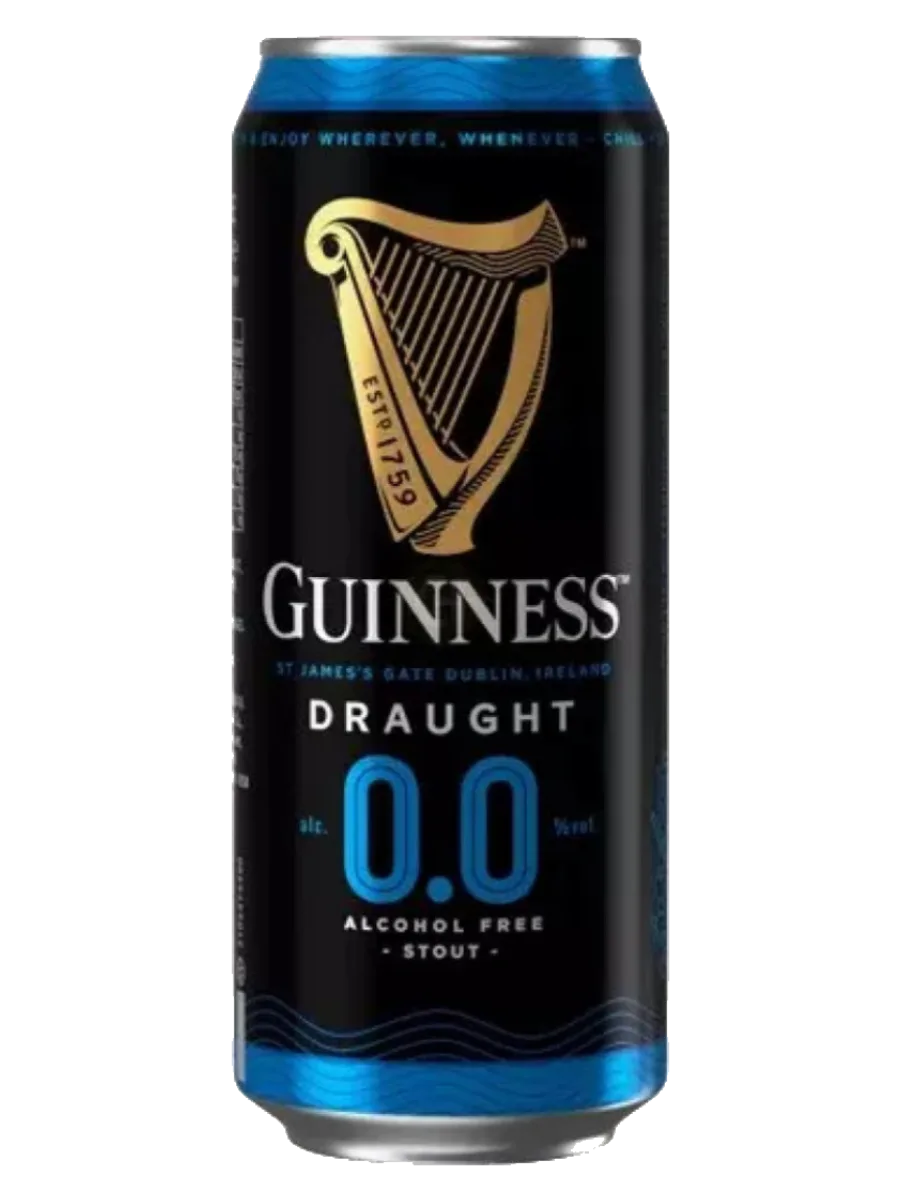
91/100
Standout
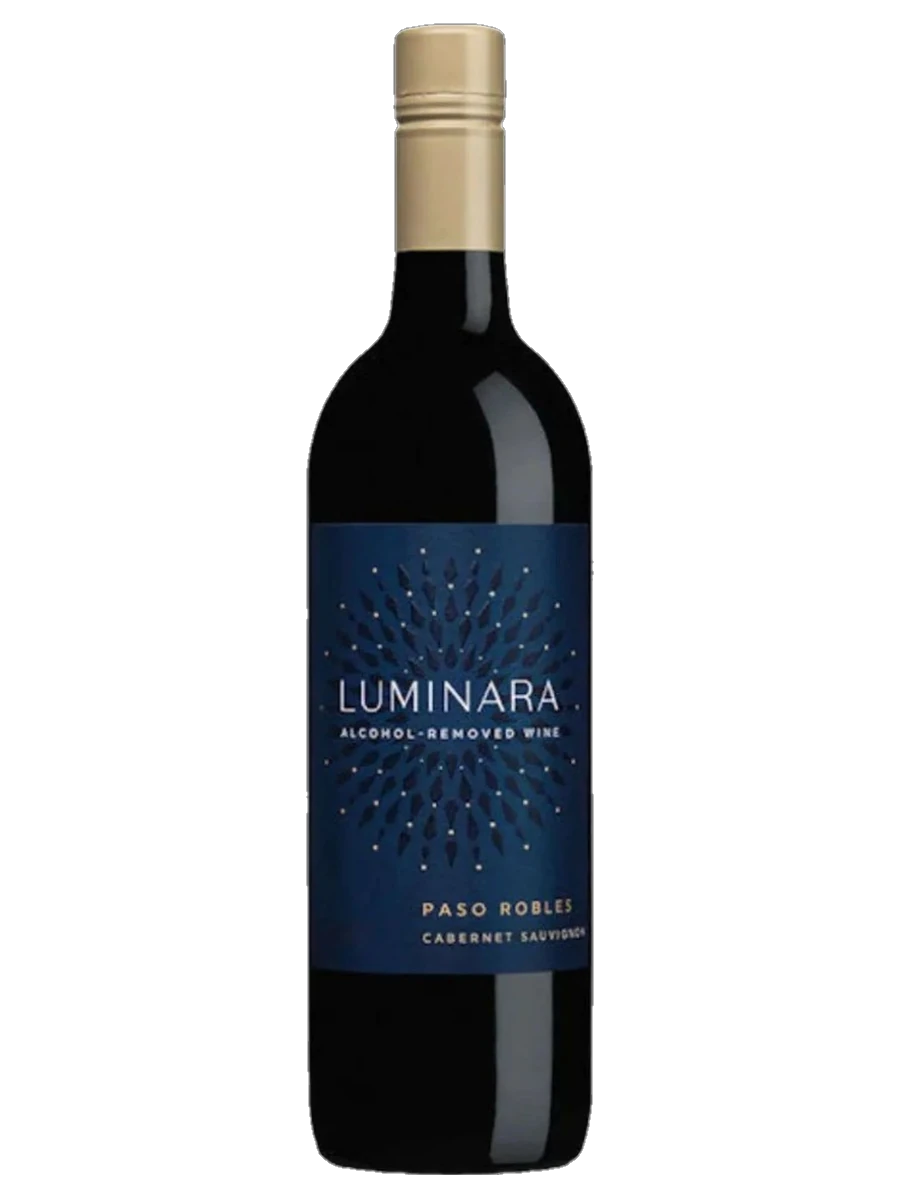
91/100
Standout
A Cabernet pour when you want dark fruit, cedar, and tannin, and you…
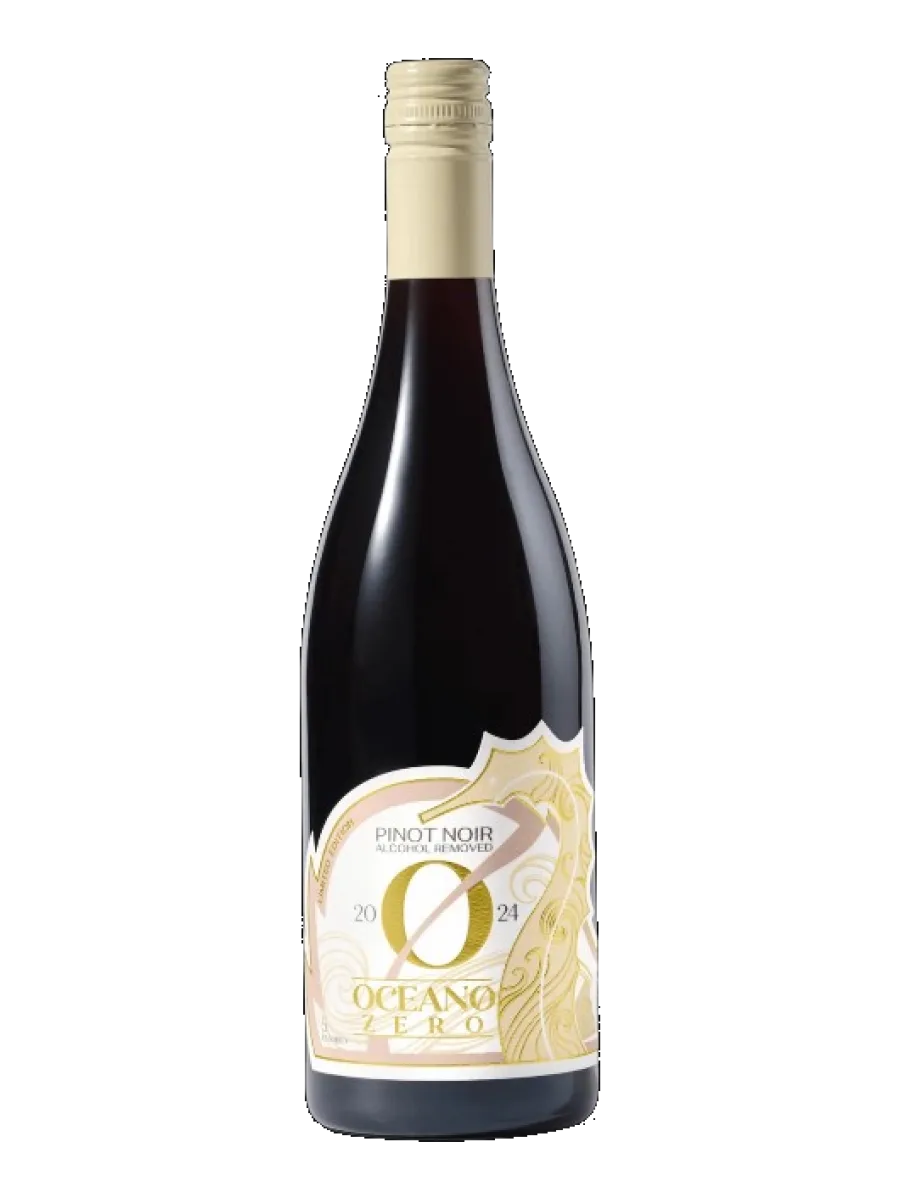
91/100
Standout
Open it when you want a nonalcoholic red that can stand as Pinot Noir.
The Dry List is a monthly note: three bottles, one verified claim, and one worth buying. Get the monthly list.