
The cellar
Compare bottles
Find the differences that matter to your glass. Compare flavor, structure, alcohol, and how each bottle was made.

The short version
Where they differ
Sweetness
- Bottle 1Dry
- Bottle 2Sweet
Body
- Bottle 1Light body
- Bottle 2Medium body
Acidity
- Bottle 1Bright acidity
- Bottle 2Moderate acidity
Structure, side by side
From our tastings. Each mark shows an assessed level, with the same scale for every bottle.
Sweetness
1Be WellDry
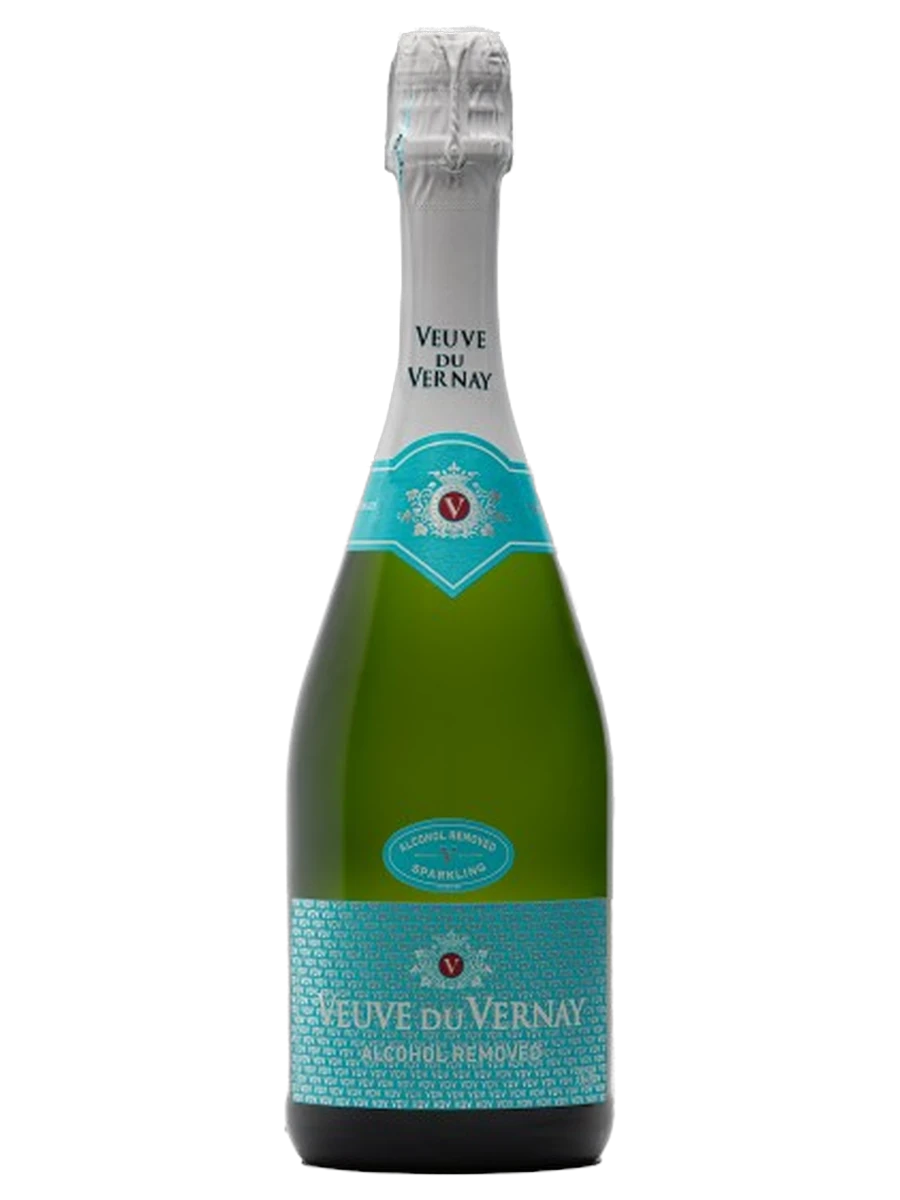
2Veuve du VernaySweet
Body
1Be WellLight body
2Veuve du VernayMedium body
Acidity
1Be WellBright acidity
2Veuve du VernayModerate acidity
| Field | ||
|---|---|---|
| Taste | ||
| Score Differs | 78/100 |
85/100 |
| Verdict | Dealcoholized American Cabernet under 0.5% ABV. Black plum, dark cherry, and cocoa in a light body, tart acid, modest tannin, a dry bitter close. | Dealcoholized sparkling Muscat from France. White flowers, pear, and stone fruit, with sweetness the bead keeps from going heavy. |
| Flavor Differs | Plum, Cherry, Cocoa | Blossom, Pear, Peach, Floral |
| Sweetness Differs | Dry | Sweet |
| Body Differs | Light body | Medium body |
| Acidity Differs | Bright acidity | Moderate acidity |
| Likeness | The dark fruit reads as Cabernet. The structure does not: too light, too tart, not enough tannin to stand in for a full red. | Convincingly Muscat: varietal florals, orchard fruit, and sparkling structure. Sweeter and rounder than a dry sparkler. |
| Style | Cabernet Sauvignon | Moscato |
| Alcohol & production | ||
| Method Differs | Spinning cone | Undeclared |
| Product facts | ||
| Origin | California, United States | Mediterranean coast, France |
| Bottle size | 3 servings of 8 fl oz (240 ml) per container (producer tech sheet) | 750 ml |
| Evidence | ||
| Sources | 4 sources | 10 sources |
| Last verified | 2026-09-29 | 2026-10-24 |