
Rosé
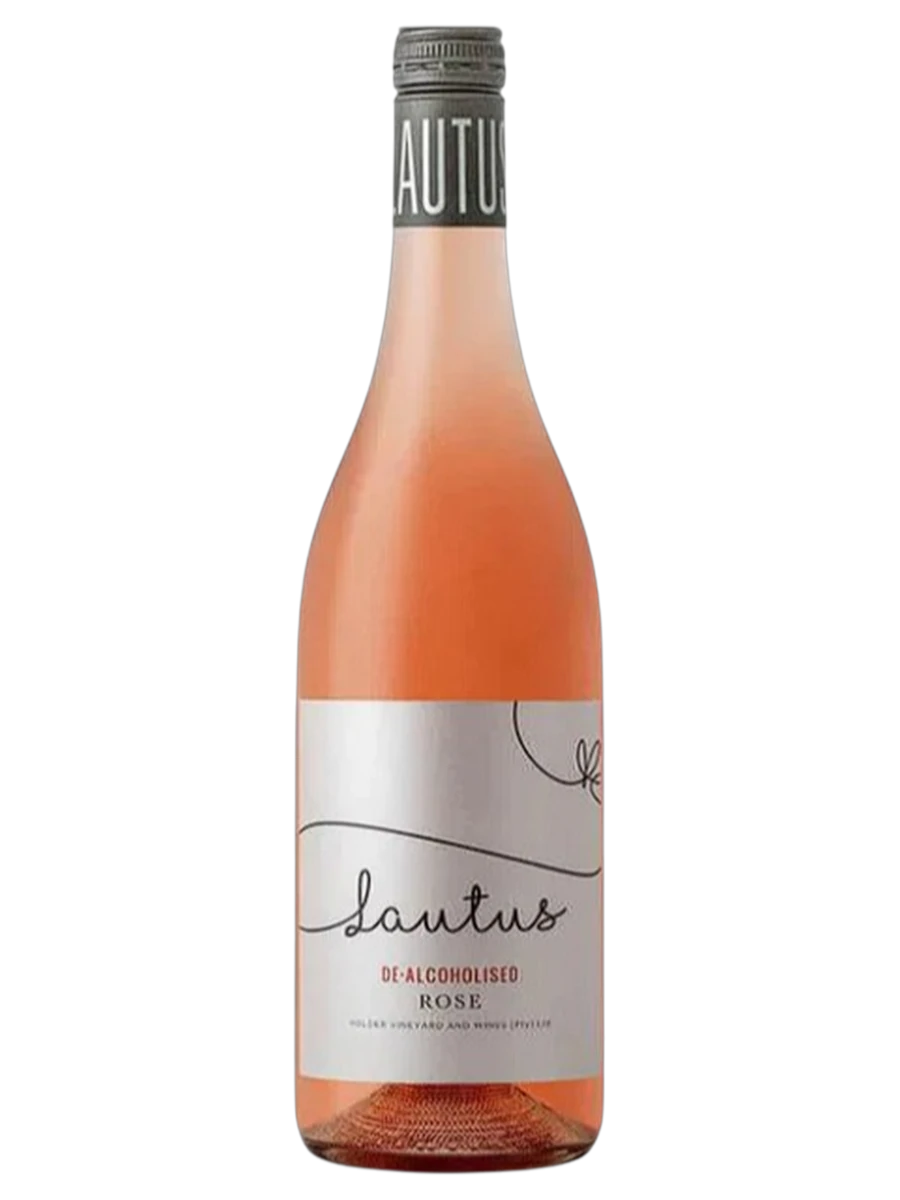
85/100
The short takeA refreshing, well-balanced South African rosé. Its appeal lies in its delicate fruit, citrus freshness and a careful balance of sweetness and acidity.
Tasted Karl HillHow we score
In the glass
-
Nose
Strawberry with subtle white-floral hints and a light citrus lift.
-
Palate
Light-bodied and crisp, with citrus leading over gentle red-berry fruit and clean mineral notes. A little sweetness balances the refreshing acidity, while the overall impression remains slightly dry.
-
Finish
Gentle red-berry notes and a clean, lightly dry close.
How wine-like is it?
Convincingly rosé-like, with delicate berry fruit, fresh acidity and a mineral edge. Gentle sweetness fits comfortably within its light, balanced structure.
Structure
- Off-dry
- Bright acidity
- Light body
- Crisp
The wine
Balance is the whole story with Lautus Rosé. There is a little sweetness here, enough to notice, but refreshing acidity meets it so closely that the wine finishes on the drier side of the line. That is harder to pull off than it sounds, and it is what makes this rosé easy to keep drinking rather than cloying by the second glass.
The aroma opens on strawberry, with subtle white-floral hints and a light lift of citrus. On the palate the order shifts: citrus leads, with gentle red-berry fruit behind it and clean mineral notes giving the sip some definition. The body is light and the texture crisp, which suits the delicate fruit; nothing here is heavy or overworked.
The finish keeps to the same register, with gentle red berries and a clean, lightly dry close. It is not a long or dramatic ending, but it is a tidy one that leaves the palate refreshed. Delicacy is the point, and the wine does not try to be more than it is. At 85 points, Lautus Rosé is a refreshing, well-balanced nonalcoholic rosé, with delicate fruit, citrus freshness and sweetness held in careful check.
The bottle
Production Dealcoholized
Evidence Producer documented
Production type describes how it is made, not how it tastes. What this classification means.
Method Spinning coneSpinning cone under vacuum, with aromatics captured and returned (producer Rosé technical sheet).Verified from producer documentation · Oct 2026
Research notes
The producer Rosé sheet documents fermentation at 14–16°C, followed by spinning-cone alcohol removal at low temperature under vacuum. Aromatics are separated first and returned afterward. Pinotage grapes are sourced from Voor-Paardeberg near Paarl.
Where to buy
- Package
750 ml
- Typical price
-
$21.99 / 750 ml
- Availability
Boisson listing in stock on 2026-10-10.
Prices and availability are independently observed and may change. Retailer listings do not imply endorsement. A different package is labeled as a different format. Reader-service exceptions and commercial links are identified above; neither affects scores, rankings, classification, verification, or editorial coverage.
Product facts
- Producer
- Holder Vineyards & Wines
- Base beverage
- Pinotage rosé wine
- Bottle / can
- 750 ml
Sources disagree on Calories and Sugar.
Sources & verification
Show details Hide details
Source links leave this site and open in a new tab.
Where sources disagree
Sources disagree on the following points.
- Calories: The US back label gives 35 calories per 250 ml; the South African sheet gives 16 kcal per 100 ml; the US product copy gives 23 calories per 5 oz. The label figure is retained with attribution, not treated as a resolution of the difference.
- Sugar: The US product copy prints 32g/100ml residual sugar per litre, an inconsistent unit statement. The technical sheet explicitly states 32 g/L and the US label states 8 g per 250 ml; no corrected website value is invented.
Evidence at a glance
- Bottle verified6 facts
- Producer documented3 facts
- Retailer sourced4 facts
Sources
-
Bottle / can label cdn.shopify.com
- ABV
- Ingredients
- Calories (sources disagree)
- Sugar (sources disagree)
- Volume
- Country
2 notes
- Volume
- Producer-hosted US back label prints 750 ml (25.4 fl. oz.).
- Country
- Producer-hosted US back label prints Product of South Africa.
Additional sources
Product record history Sourced changes and open disagreements. Prior claims stay on the record when sources conflict.
- ReviewedReviewed and published.
- UpdatedCatalog record updated from sourced research.
- OpenDiscrepancy · CaloriesThe US back label gives 35 calories per 250 ml; the South African sheet gives 16 kcal per 100 ml; the US product copy gives 23 calories per 5 oz. The label figure is retained with attribution, not treated as a resolution of the difference.
- OpenDiscrepancy · SugarThe US product copy prints 32g/100ml residual sugar per litre, an inconsistent unit statement. The technical sheet explicitly states 32 g/L and the US label states 8 g per 250 ml; no corrected website value is invented.
Instead
Try instead
-
Still Rosé
Want a higher score?
BOLLE Still Rosé scored 86. This bottle scored 85.
Compare -
0% Rosé
Want a higher score?
Giesen 0% Rosé scored 86. This bottle scored 85.
Compare