86/100
Standout
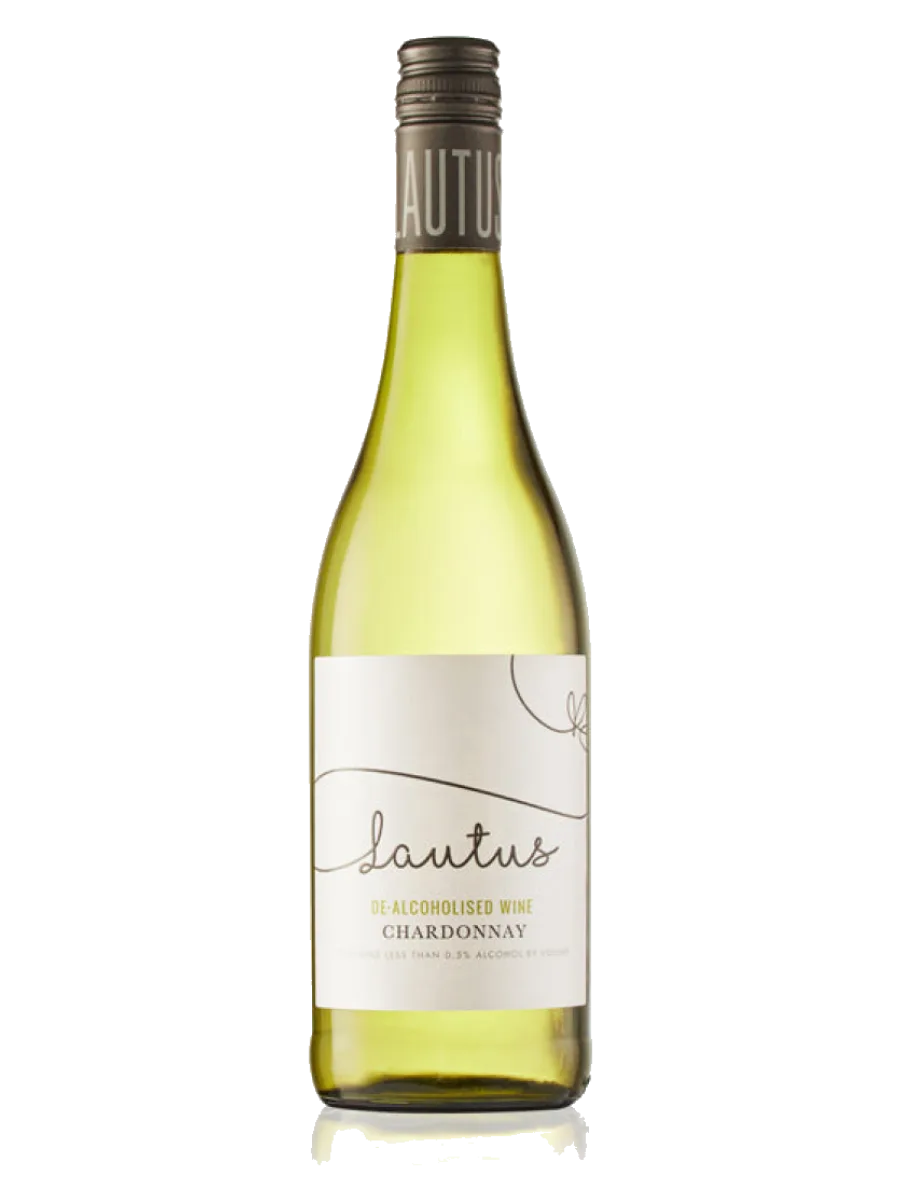
A still white at the table — roast chicken, mild cheese, or a chilled…
Brand
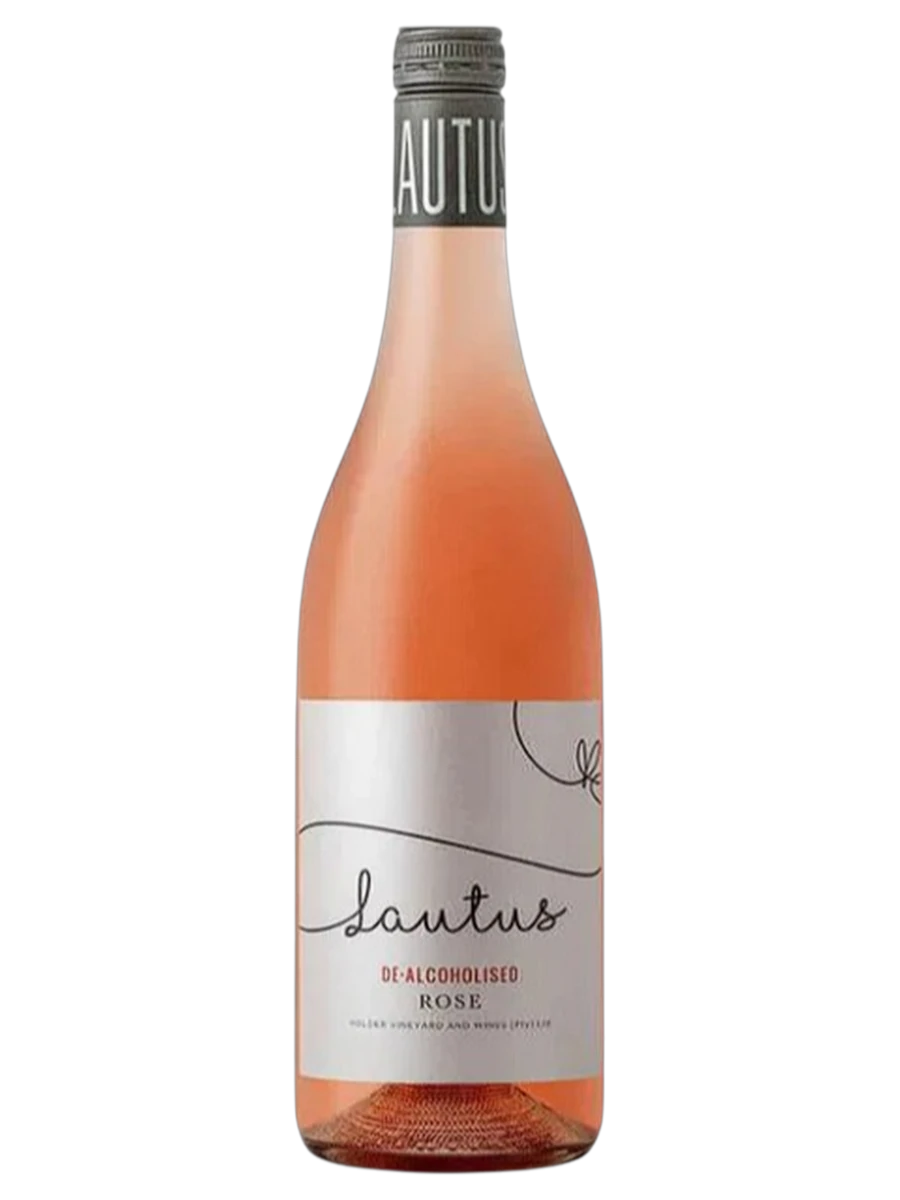
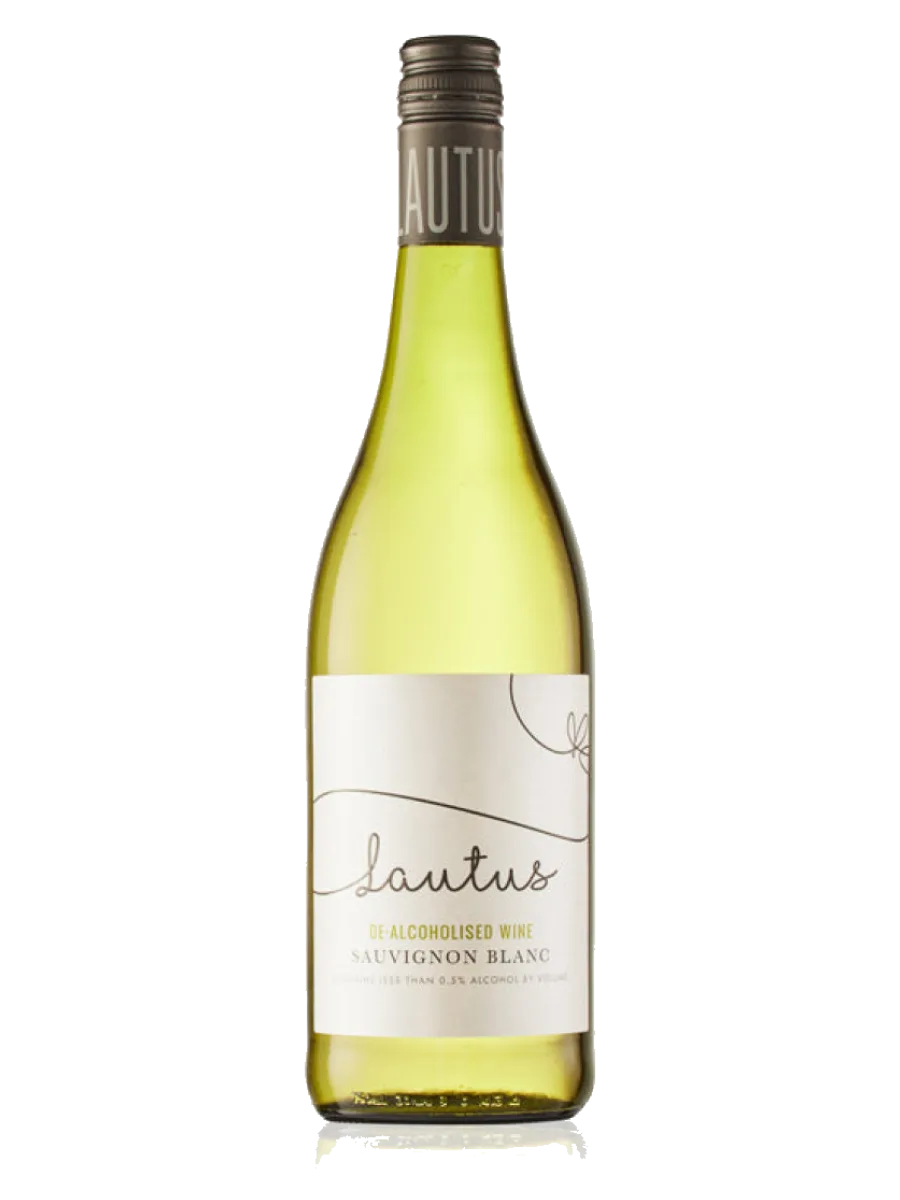
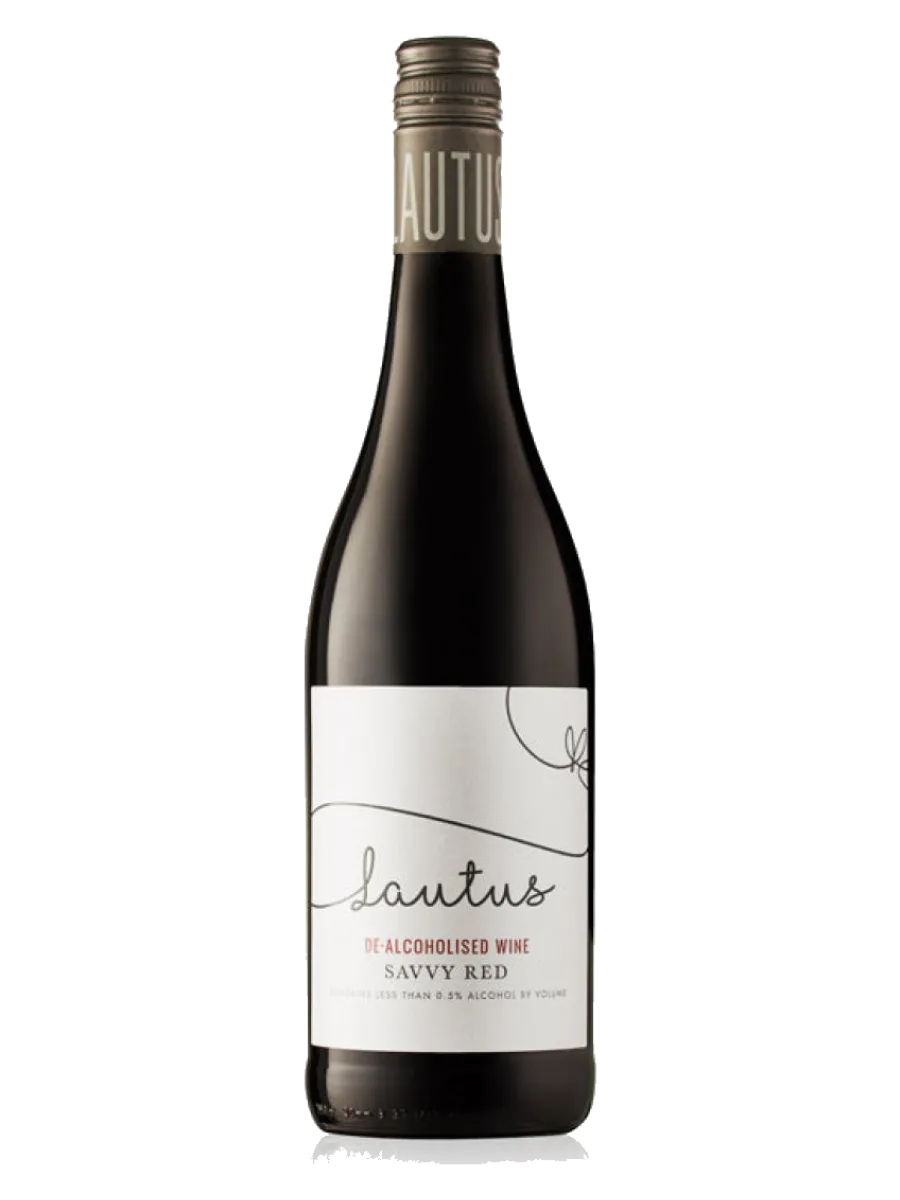
Four South African wines, dealcoholized by spinning cone and all tasted: how the Chardonnay, Rosé, Sauvignon Blanc and Savvy Red differ, and which to open.
Compare holds up to four. Want to try keeps a bottle in My Bottles.
86/100
Standout
A still white at the table — roast chicken, mild cheese, or a chilled…
85/100
Standout
A delicate rosé when citrus freshness and a slightly dry close are the…
84/100
Warm-weather aperitif, oysters or a simple green salad, anyone who…
82/100
Weeknight red with grilled vegetables or a mild cheese board — chill…
Our take on Lautus
Lautus is a South African range from Reg Holder’s Holder Vineyards & Wines. The wines are made in the Western Cape and dealcoholized by spinning cone under vacuum, with the aromatics captured first and returned once the alcohol is out. All four still wines in the range have been tasted here, so this page can do what a list of scores cannot: explain how they differ and which one to open.
| Wine | Score | What it tastes like | Structure |
|---|---|---|---|
| Chardonnay | 86 | Peach, orange and pear, vanilla and soft creamy weight, a nutty bittersweet close | Off-dry, moderate acidity, medium body |
| Rosé | 85 | Strawberry, white flowers and citrus, red berries and a clean mineral line | Off-dry, bright acidity, light and crisp |
| Sauvignon Blanc | 84 | Gooseberry and lime with a tropical lift, a clean lingering lime finish | Dry-leaning, bright acidity, light body |
| Savvy Red | 82 | Blackberry and plum, fine tannin and light oak, a medium-short finish | Dry-leaning, fine tannin, light body |
Scores are tasted. How we score.
For weight, the Chardonnay. It is the most complete wine in the range and the broadest through the middle, with soft creamy texture and a nutty, lightly bittersweet finish. Oak frames the fruit rather than burying it. Choose it when you miss the body of a conventional white.
For freshness, the Sauvignon Blanc. Acidity carries it: gooseberry and lime, a lean mid-palate and a clean lime finish that lasts. It is the driest-tasting wine of the four and the best choice for anyone wary of sweet nonalcoholic whites.
For balance, the Rosé. It has a little sweetness you can notice, but bright acidity meets it so closely that the wine still finishes slightly dry. Light, crisp and delicate, it is the easiest of the four to keep drinking.
For a red, the Savvy Red, with expectations set. It avoids the jammy trap that catches many nonalcoholic reds, and the fine tannin gives it real shape. The middle is thin and the finish fades early, so it suits a casual glass better than a meal that needs a substantial red.
All four carry real residual sugar by the producer’s own figures: about 21 g/L in the Sauvignon Blanc, 24 g/L in the Savvy Red, and 32 g/L in both the Chardonnay and the Rosé. On paper they are all off-dry or sweeter. In the glass, acidity changes the picture. The Sauvignon Blanc, with the least sugar and the most acidity, tastes the driest. The Rosé has as much sugar as the Chardonnay but reads as slightly dry because its acidity is brighter. The Chardonnay uses its sugar differently, as part of a rounder, softer texture.
That gap between the analysis and the taste is why tasted structure matters more than a residual-sugar figure alone. It is also a pattern across nonalcoholic wine, explained in Why non-alcoholic wine tastes sweet.
Each review carries its own sources and any disagreements between them.
All Lautus bottles in the cellar are listed above. Shopping by style: Best non-alcoholic Chardonnay, How to buy non-alcoholic white wine, How to buy non-alcoholic red wine and Best dealcoholized rosé.