
Method How it’s made
Forward osmosis
A concentrated draw solution pulls water and ethanol across a membrane. The step does not need pump pressure or a boil.
- Finished drink
- Draw solution and membrane
- Alcohol removed
Conceptual illustration. Exact systems vary by producer.
How it works
Forward osmosis takes ethanol out of a drink that has already been fermented. A membrane stands between that drink and a concentrated liquid, the draw solution. The draw pulls water through the membrane. Ethanol can cross too. Because both can leave, the run can put water back as it goes, so the drink does not simply become a concentrate. That return is diafiltration.
The membrane step does not need the pump pressure of reverse osmosis, and it does not heat the liquid the way vacuum distillation does. It is still alcohol removal. Naming it is not a score.
This page is the cellar index. The other machines are in How is alcohol removed from wine?.
Where it sits
| Method | What separates the alcohol |
|---|---|
| Forward osmosis | A concentrated draw solution creates the gradient. Water and ethanol can cross the membrane into that liquid. |
| Reverse osmosis | A pump applies pressure to push water and ethanol through a membrane. The alcohol can then be separated from that stream and the recovered water returned. |
| Osmotic distillation | Ethanol crosses the pores of a water-repelling membrane as vapor, then enters a receiving liquid. The driving force is a difference in vapor pressure. |
| Vacuum distillation and spinning cone | Reduced pressure lets alcohol evaporate at a lower temperature. A spinning cone is vacuum equipment that can take aromas off separately before the alcohol. |
| Membrane and cold filtration | A broad category. Forward osmosis is in the membrane family. The generic label does not say what drives the separation. |
| Arrested fermentation | Limits how much alcohol forms in the first place. Forward osmosis starts with a drink that has already fermented. |
What the research shows
Ambrosi and colleagues separated ethanol from dilute aqueous solutions by forward osmosis, using a salt solution as the draw, and compared that run with reverse osmosis (Industrial & Engineering Chemistry Research, 2018). Water and ethanol both crossed the membrane. The feed in that study was not wine.
A 2020 beer trial used forward osmosis diafiltration, the version that replaces water while the alcohol comes out (Beer dealcoholization by forward osmosis diafiltration, Innovative Food Science & Emerging Technologies). That paper is beer, not wine.
In this cellar
Mavrique’s inaugural pair is an early commercial example of the method in alcohol-removed wine. Mavrique says the wines start as fermented, oak-aged California wine, and that the alcohol is removed by forward osmosis without heating or pressurizing the wine. The named system is Porifera. Porifera’s technology page describes osmotic-gradient FO dealcoholization generally; it does not name Mavrique. The producer’s pages list the 2025 Russian River Valley Chardonnay at 0.25% ABV and the 2025 Sonoma Coast Pinot Noir at 0.31% ABV. Both ingredient lists are dealcoholized wine and grape concentrate.
Those are the method and the declared alcohol. Aroma, body, and finish stay a tasting question. The published reviews are Mavrique Russian River Valley Chardonnay and Mavrique Sonoma Coast Pinot Noir. The cards below are every published bottle that cites the method.
Cite Karl Hill, “Forward osmosis,” The Dry Standard, https://drinkdrystandard.com/methods/forward-osmosis/.
From the cellar
In the cellar with this method
2 bottles
The scores belong to the bottles in this cellar.
Compare holds up to four. Want to try keeps a bottle in My Bottles.
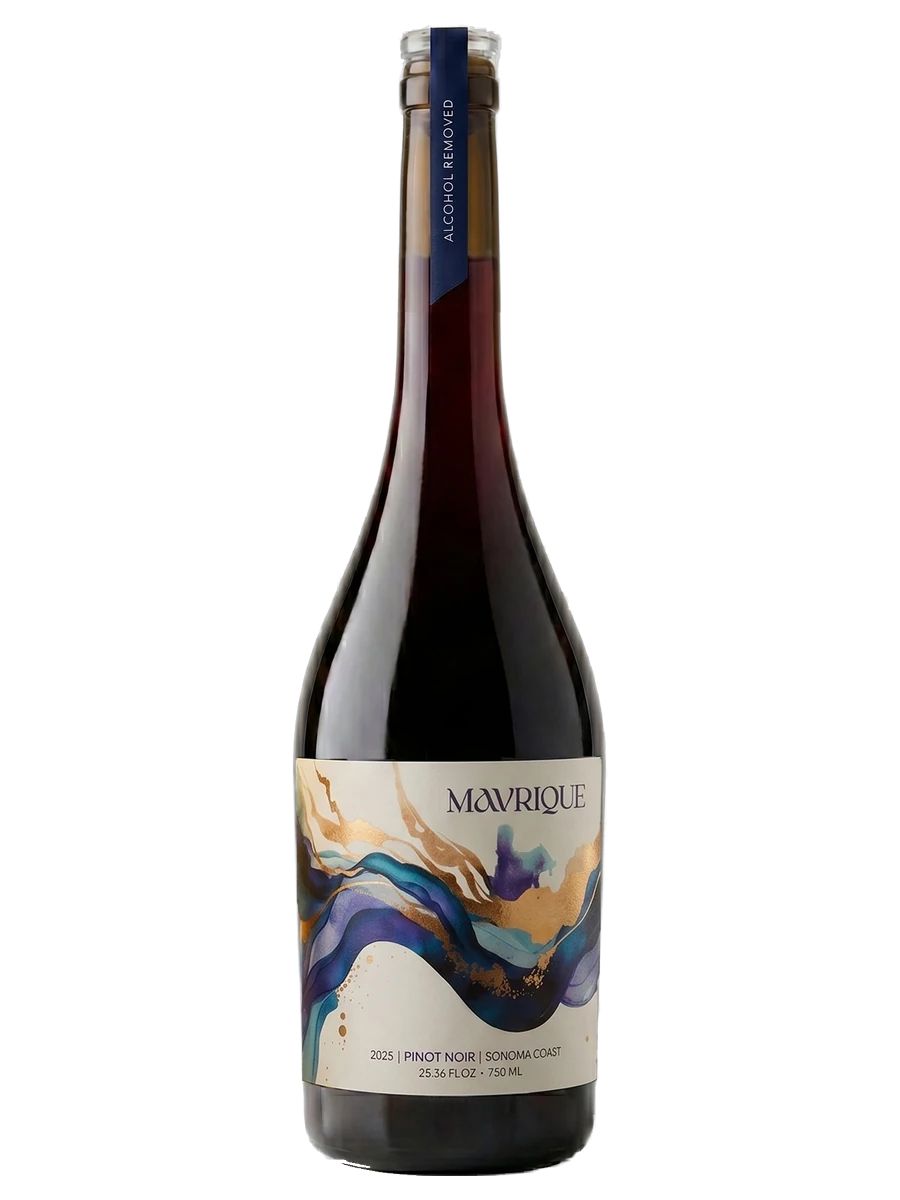
A still Pinot Noir when a quiet aroma is acceptable and the sip should…
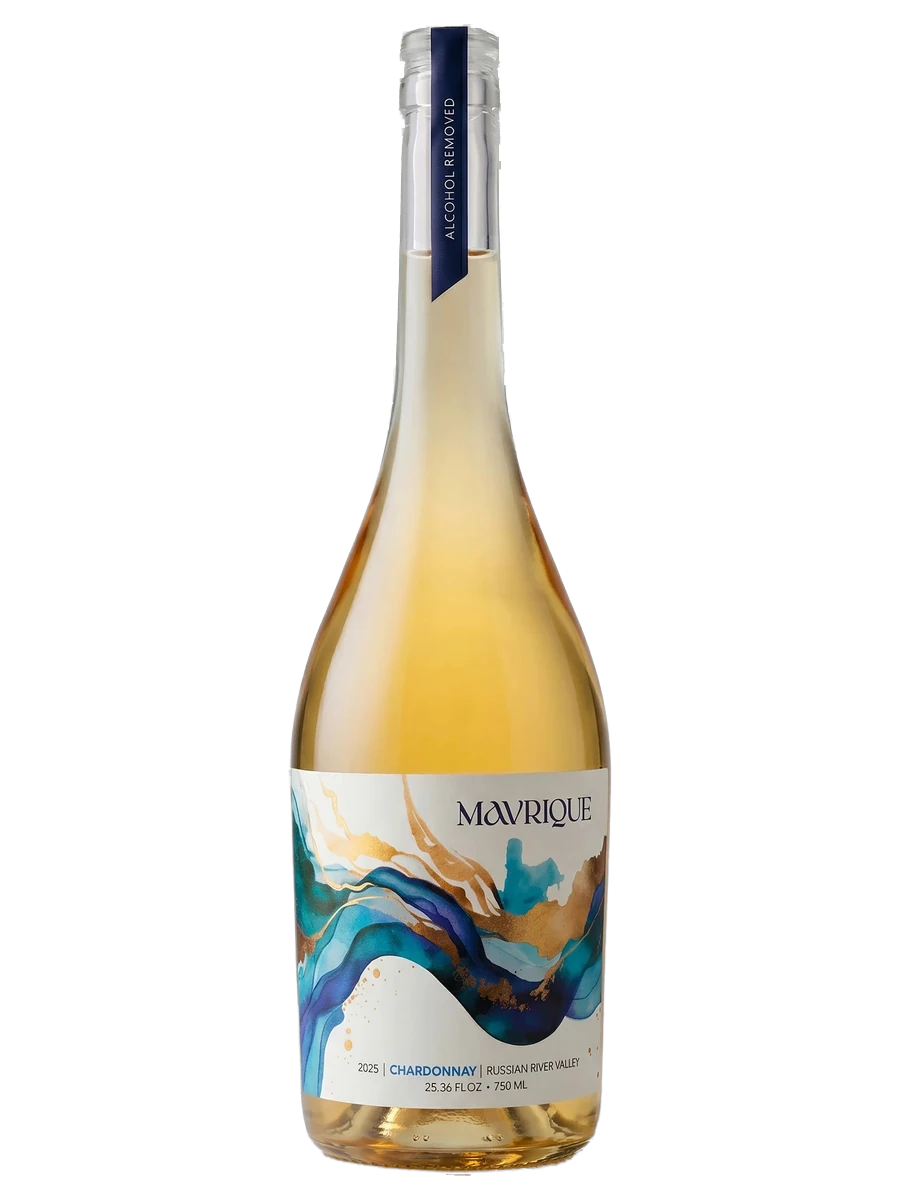
Tasting pending