
Blanc
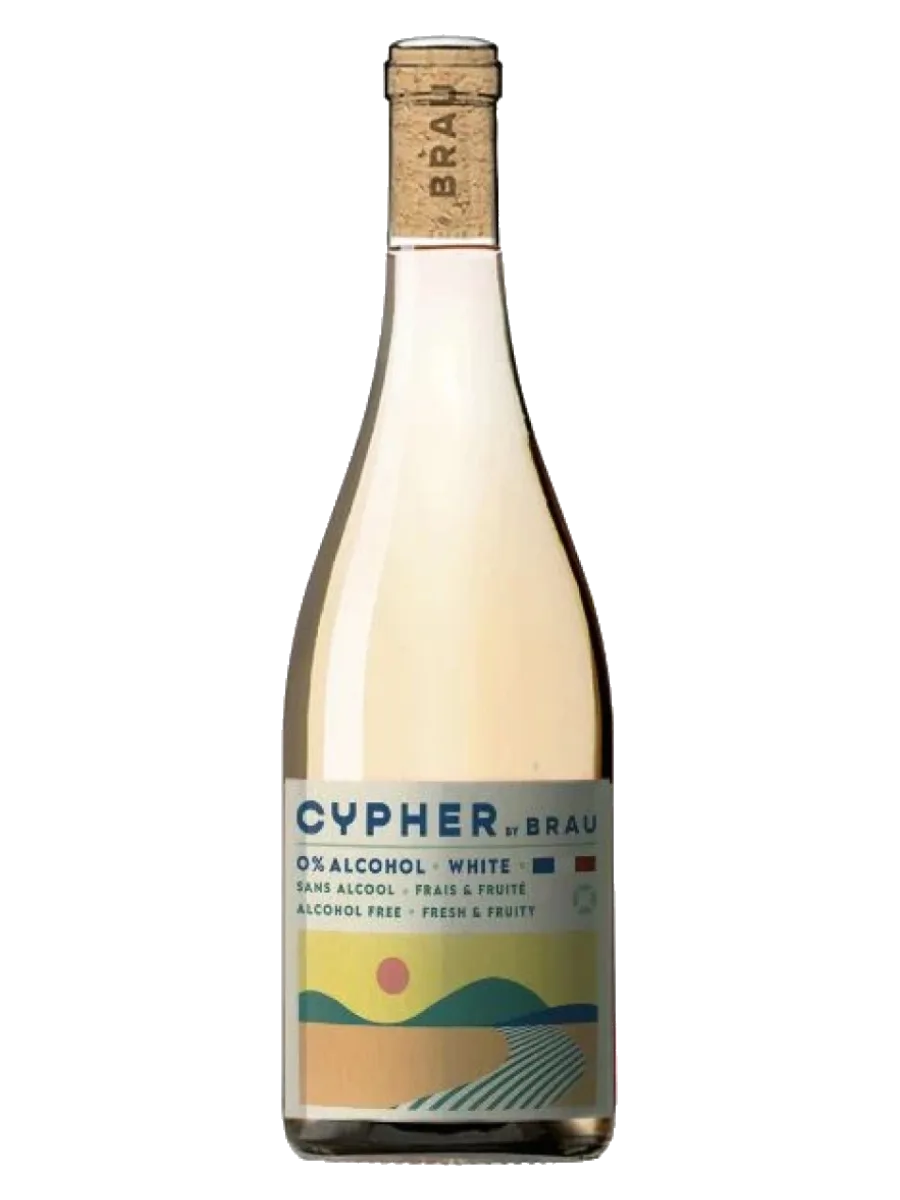
81/100
The short takePear, green apple, and citrus peel in a fresh, lightly rounded white. Moderate acid, orchard fruit through the middle, and a short-to-medium finish of tart citrus.
Tasted Karl HillHow we score
Serve Chilled (about 8–9°C).
Who it’s for A cold glass of fresh orchard fruit.
If you like Orchard-fruit whites or Roussanne and Colombard.
In the glass
- Nose
- Pear and green apple, with citrus peel at the edge. Fresh, and not loud. The peel is the sharpest part of the smell.
- Palate
- Fresh and lightly rounded. Orchard fruit — pear and apple — with only moderate acid. The acid keeps the roundness from going dull, and it does not turn the wine severe. The flesh in the middle is the pear, and it stays gentle.
- Finish
- Short to medium, and tart. Citrus is what remains, the same peel from the smell, without sweetness taking over.
Structure and likeness Show Hide
Structure
- Sweetness
- Dry
- Acidity
- Moderate acidity
- Body
- Medium body
- Finish length
- Medium finish
How wine-like is it?
Separate from the score. A convincing resemblance is not a higher rating.
It drinks as a fresh white of pear and green apple. The roundness is gentle. The close is tart peel, not juice.
The wine
The middle is lightly rounded, which is the interesting part. Pear and green apple sit in a fresh frame, and the acid is only moderate, so the roundness stays gentle.
Citrus peel is the sharp edge of the smell. Pear and green apple are the rest. The nose is orchard fruit and peel, fresh, and not loud.
Fresh on the tongue, lightly rounded, still in that orchard register. Moderate acid keeps the flesh from going dull, and it does not make the wine feel severe. Tart citrus takes the end, short to medium. The peel you smelled is the last flavor.
Drink it cold. The pear stays clear, the apple stays green, and the close stays tart. A white with a little flesh in the middle and a citric end. That balance is the glass: fresh, lightly rounded, and finished while the citrus is still the point. A second sip is the same orchard fruit, the same moderate acid, the same tart peel. Nothing else arrives, and nothing else is missing from what the wine promised. Cold, the peel stays tart and the apple stays green. Pear in the middle, moderate acid, and a short-to-medium tart citrus end. Fresh, and lightly rounded.
81 is typical of the 209 dealcoholized wine bottles we've tasted.
The bottle
Trade record, where to buy, and product facts.
Show
Hide
Where to buy
- Cypher
- Package
750 ml
- Typical price
-
$15.00 / 750 ml
- Also listed
- Cypher White · Producer
- Availability
Cypher shop; Boisson (750 ml white, $15, sold out on 2026-09-26); Dis&Dis purchase was $23.00
Prices and availability are independently observed and may change. Retailer listings do not imply endorsement. A different package is labeled as a different format. Reader-service exceptions and commercial links are identified above; neither affects scores, rankings, classification, verification, or editorial coverage.
Product facts
- Producer
- Domaine de Brau
- Origin
- Languedoc, France
- Base beverage
- Organic Roussanne and Colombard, fermented then dealcoholized
- Bottle / can
- 750 ml
Sources disagree on Method, Sugar, Base beverage, Ingredients, and Region. Send a correction
Sources & verification
Show details
Hide details
Source links leave this site and open in a new tab.
Where sources disagree
Sources disagree on the following points.
- Method: The Cypher white page confirms a dealcoholized wine and does not name the equipment. The Drinks Business (13 March 2024) says the Cypher wines are gently de-alcoholised by vacuum evaporation, then aroma compounds are restored. A 10 January 2024 note in the domaine’s voice calls the step vacuum evaporation, a distillation, at under 40°C, after which the liquid is reworked for the aromatic profile. Sanzalc’s Blanc sheet, also in the producer’s voice, says the wine is cold-distilled at 30° in a distillation column under vacuum, that the alcohol is fully extracted, that aromas carried off with the alcohol are put back through a light aromatic formulation, and that a food preservative is used instead of pasteurization. That same Sanzalc paragraph says the base is an organic vegan rosé, which does not match this Roussanne and Colombard bottle. Gueule de Joie says low-temperature vacuum evaporation and no added aromas. The temperature is not collapsed to one figure.
- Sugar: Sugar is left blank. The Cypher white page lists rectified concentrated grape must and gives no sugar figure. Sanzalc’s 750 ml Blanc page states 0.3 g of sugars per 100 ml in the nutrition panel and, in the same product text, natural residual sugars with no addition on their part at 23 mg/L. Dis&Dis also prints 23 mg/L. The Drinks Business sheet for Cypher White lists residual sugar at 2.8 g/100 ml, the same figure it gives the Sauvignon Blanc can. Those figures do not match. Sanzalc says the bottle QR code opens a detailed composition; that label was not read for this update.
- Base beverage: This 750 ml bottle is Roussanne and Colombard on the front label, on the Cypher white page, and on the Drinks Business sheet for Cypher White. Sanzalc, Gueule de Joie, and Boisson list the same blend for the 750 ml. The 250 ml can is a different listing. The Drinks Business sheet for Cypher Baby White Sauvignon Blanc says 100% Sauvignon Blanc, and Boisson sells that can as Baby Sauvignon Blanc. On brau.wine, Blanc 750 ml and Baby Blanc 250 ml share one tasting note and the grapes are not named.
- Ingredients: The Cypher white page lists dealcoholized wine, concentrated rectified grape must, carbon dioxide, and sulfur dioxide. Sanzalc’s Blanc sheet adds dimethyl dicarbonate, gum arabic, and pea protein, in a block that also calls the base an organic rosé. Gueule de Joie lists only Colombard, Roussanne, and sulfites. The ingredients field follows the producer page.
- Region: The Cypher site says the grapes are grown in the Gard. The Drinks Business places Domaine de Brau in the Languedoc’s Cabardès, with the Cypher grapes in vineyards north of Carcassonne. Dis&Dis and Gueule de Joie say Languedoc. The region field is Languedoc. The department is unsettled.
Evidence at a glance
- Producer documented8 facts
- Bottle verified1 fact
- Press sourced1 fact
- Secondary source1 fact
- Retailer sourced3 facts
Sources
-
Producer cypher-drinks.com
- Production
- Method
- Ingredients (sources disagree)
- Country
- Base beverage (sources disagree)
- Producer
Note
- Method
- Method check 2026-10-24. Presse Agence and The Drinks Business still describe vacuum evaporation for the range.
-
Note
- ABV
- No source publishes a measured residual tighter than that claim.
-
Note
- Region
- See discrepancies.
Additional sources
Product record history Sourced changes and open disagreements. Prior claims stay on the record when sources conflict.
- ReviewedReviewed and published.
- UpdatedCatalog record updated from sourced research.
- Fact corrected · MethodCorrected from undeclared to vacuum-distillation. Range press describes vacuum evaporation with aroma compounds restored. A January 2024 domaine note calls the same step vacuum evaporation, a distillation, under 40°C. The producer white page still does not name the machine.
- Fact corrected · Method facetCorrected from vacuum-distillation to undeclared. Reopened the Cypher white page, the house page, and the domaine page. None names a machine. Vacuum evaporation remains in the press notes and the method discrepancy.
- Method verified · MethodCorrected from Vacuum distillation after fermentation, with aroma compounds restored to Undeclared. The Cypher white page and the domaine page name a dealcoholized wine and no machine.. Same check.
- Fact corrected · RegionCorrected from Gard to Languedoc. The cited retailer already said Languedoc. Press places the estate in the Cabardès, north of Carcassonne. The Cypher site’s Gard line is recorded as a disagreement, not the region field.
- OpenDiscrepancyMethod, Sugar, Base beverage, Ingredients, and Region.
81/100