

Wine
P.J. Valckenberg It's not a SIN Ginger / Bitter Orange Peel
77/100 How we score
Verdict
A lightly sparkling dealcoholized Riesling dressed with ginger and bitter orange — citrus-bright, gently sweet, and built for the aperitif hour rather than a still-wine substitute.
At a glance
- Flavor profile
- Orange
- Lemon
- Ginger
- Lime
- Grapefruit
- Blossom
- Mineral
- Lime zest
- Structure
- Off-dry
- Bright acidity
- Medium body
- Medium finish
- Soft bead
- Mouthfeel
- Slender and lively — fine residual sugar cushions the acid; soft perlage keeps it from reading as juice.
- What stands out
- Orange and lemon over ginger heat, with a cool mineral flicker and white-blossom lift.
- How wine-like is it?
- More flavored mousseux than straight Riesling — the dealcoholized wine base shows, but ginger and bitter orange define the glass.
- Perfect for
- Aperitif; light salads and antipasti; fish or mild poultry; citrus desserts — not heavy chocolate.
- Drink if you like
- Flavored dealcoholized Riesling
- Ginger-citrus aperitivo
- Light sparkling NA white
Tasting notes
-
01
Nose
Juicy orange and zesty lemon first, then ginger warmth, a hint of lime leaf, and a delicate white-blossom veil over cool minerality.
-
02
Palate
Taut and fresh. Clear acidity carries citrus — orange, grapefruit, a touch of lime — while delicate residual sweetness keeps the sip drinkable. Ginger adds a light piquant kick. Light to medium body, clean structure, soft bead from the added CO₂.
-
03
Finish
Lime zest and ginger linger on the tongue; citrus stays bright, the spice hangs a moment, then the glass goes clean.
The wine
It’s not a SIN is not a formulated aperitivo. P.J. Valckenberg starts with German Riesling, removes alcohol by vacuum rectification at about 30°C, then finishes the bottle with natural ginger flavor, bitter-orange-peel distillate, and added carbonic acid. The label math is blunt: dealcoholized wine makes up 99% of the bottle; the rest is CO₂, sulfur dioxide, and those citrus-spice additions. ABV stays under 0.5%. Sugar sits around 3.6 g per 100 ml — enough to cushion the acid without turning the glass into soda.
In the glass it shows light straw with a golden flicker at the rim. The nose opens on juicy orange and zesty lemon, then ginger heat, a hint of lime leaf, white blossom, and a cool mineral edge. On the palate the wine is taut and fresh: clear acidity carries orange, grapefruit, and lime across a slender, soft-beaded texture. Delicate residual sweetness keeps drinkability high; ginger adds a light piquant kick. The finish is lime zest and ginger — bright, short-to-medium, no heaviness.
Likeness is the honest caveat. This drinks as flavored mousseux on a Riesling chassis, not as a still Mosel substitute. Serve at 6–8°C in a white-wine glass as an aperitif, with light salads, fish, mild poultry, or citrus dessert — and leave the chocolate for something else.
How to drink it
Well chilled at about 6–8°C in a white-wine glass; solo or as a spritz with a splash of sparkling water.
How it was made
Classification: Hybrid — Producer: dealcoholized Riesling finished with natural ginger flavor, bitter-orange-peel distillate, and added carbonic acid. Ingredients list dealcoholized wine (99%), CO₂, sulfur dioxide, natural ginger flavor, and bitter orange peel distillate — not a botanical aperitivo built from scratch.
Evidence status: Documented
Method: Gentle vacuum rectification at 30°C (producer)
Sources
Product facts are only as strong as their sources. Editorial tasting notes are opinion.
-
Producer verified Producer Producer ingredients: less than 0.5% alc. vol.
ABV · Sugar · Calories
Producer ingredients: less than 0.5% alc. vol.
-
Classification · Base beverage · Country
-
Method · Volume
-
Price · Availability
-
Producer
-
Bottle verified Bottle / can label Barcode recorded from packaging or producer listing
Barcode (EAN/GTIN)
Barcode recorded from packaging or producer listing
Keep tasting
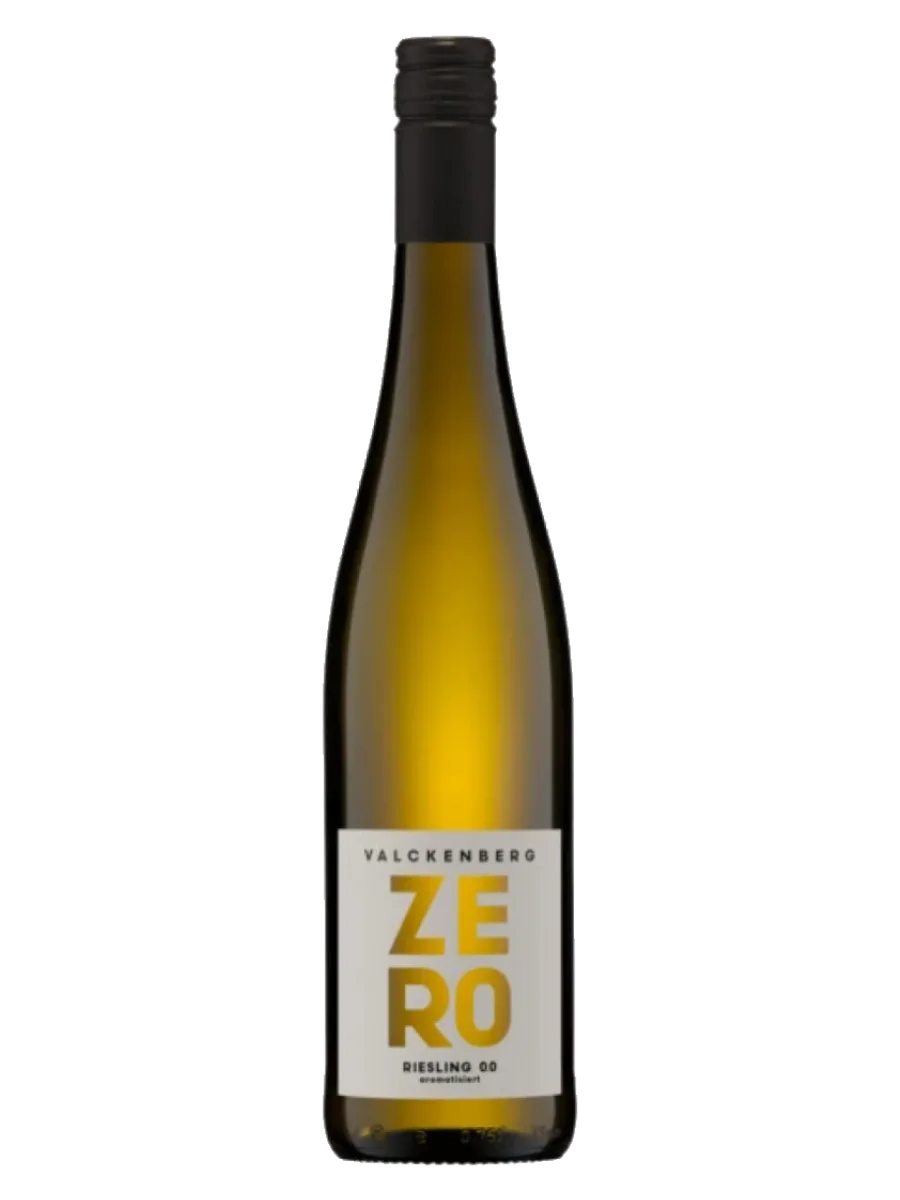
Other Riesling
Same style
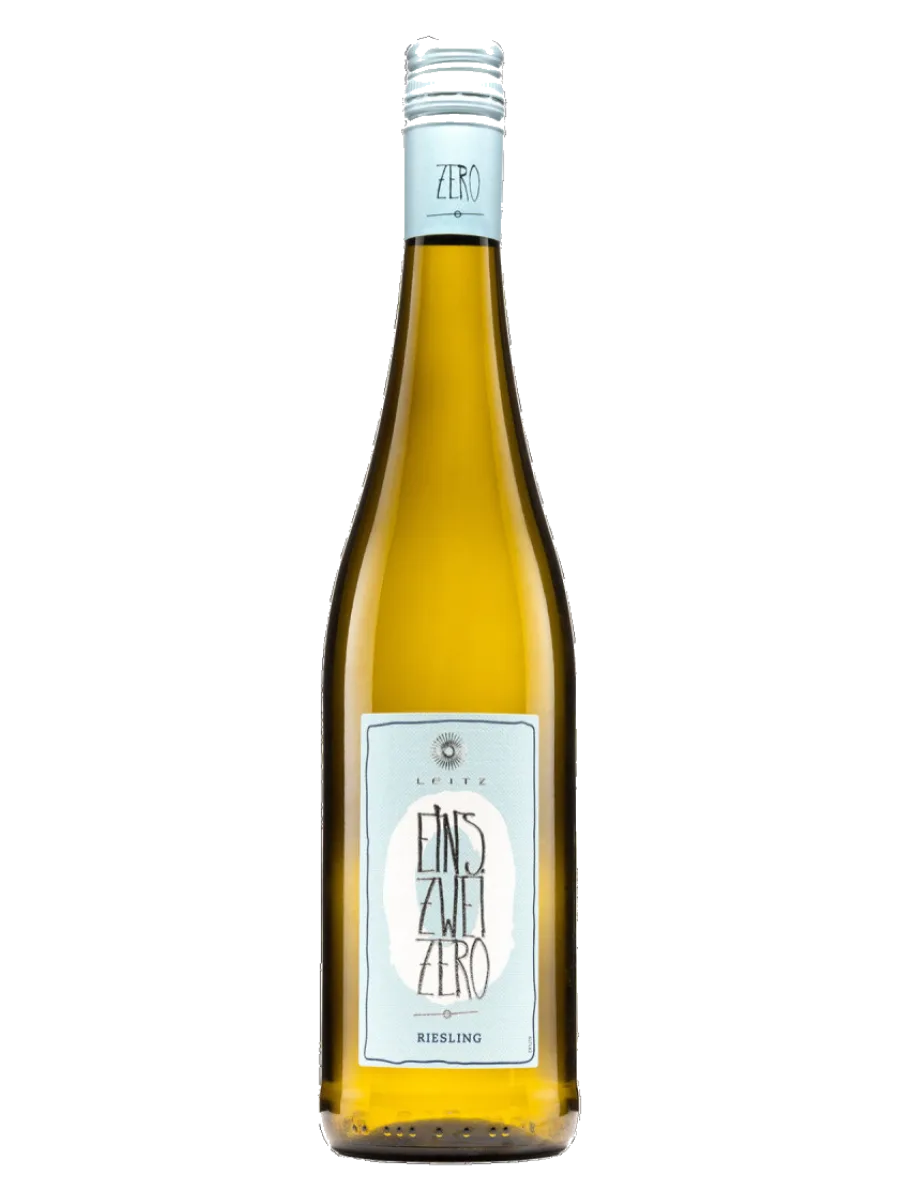
Eins-Zwei-Zero Riesling
- Lime zest
- Green apple
- Rhubarb

77/100 How we score