

Wine
French Bloom Le Rosé
82/100 Research score How we score
- ABV 0.0%
- Classification Hybrid
- Method Vacuum distillation
- Evidence Documented
- Origin France
- Price $30+
Verdict
A juice-backed Languedoc pink with rose, peach, and a red-berry snap. Pretty, ice-cold, and more celebration fizz than bottle-fermented rosé. The ingredients are the review.
At a glance
- Flavor profile
- Rose
- White peach
- Red berry
- Structure
- Off-dry
- Bright acidity
- No tannin
- Light body
- Medium finish
- Crisp
- Soft bead
- Mouthfeel
- Light, sparkling, and a touch plump from the juice — not thin, not Champagne-weight.
- What stands out
- Rose and white peach on a juice-backed pink fizz.
- How wine-like is it?
- Wine-based celebration sparkling, not a méthode-traditionnelle rosé. The water-and-juice build is obvious once you know the recipe.
- Perfect for
- Toasts, brunch, and any table that wants a pink cage without the alcohol.
- Drink if you like
- Sparkling rosé
- Juice-backed NA pinks
Tasting notes
-
01
Nose
Rose petal and dry white peach, with a red-berry lift the house leans on. Floral first, wine second — more perfume than cellar.
-
02
Palate
Bright and a little juicy on entry — peach and red fruit over a light, sparkling frame. The grape juice and Gensac water do as much mid-palate work as the dealcoholized wine. Acid keeps it from reading as soda if the bottle is very cold; warmer, the sweetness steps forward.
-
03
Finish
Short to medium, floral and peachy, with a clean mineral fade if you pour it at 2–4°C, as they ask. It does not linger like a bottle-fermented wine.
The wine
French Bloom Le Rosé starts as organic French wine and then gets rebuilt. The bottle is Gensac sparkling spring water, organic white grape juice, dealcoholized wine, lemon juice, and a natural grape flavor. The Australian shop names Chardonnay and Pinot Noir from Languedoc; the EU page leans on the house Chardonnay. Both can be true. Neither makes this a bottle-fermented rosé that simply had its alcohol taken out.
The founder has described the house removal step as triple cold vacuum distillation at 32°C, with aromas captured and put back. The Le Rosé page is quieter: dealcoholized organic wine, full stop. That is enough to classify it. The rest of the glass is construction — a wine-based sparkling drink, not a stripped Champagne.
The advertised line is rose petal, dry white peach, and the snap of red fruit. That is also how juice-backed pinks usually read. At 4.2 g of sugar per 100 ml, with no added sugar claimed, the sweetness is the grape must doing what ethanol used to do: give the mid-palate something to hold. Keep it very cold or that sweetness sits in front of the wine. The mouthfeel is light and sparkling, a little plump from the juice, never thin, never Champagne-weight.
Le Blanc is the drier, pear-and-citrus sibling. This one is the party bottle: floral, peachy, and pink-foiled. It will not replace a grower rosé. It will replace most of the NA pink fizz that never started as wine. Serve it in a flute, colder than you think, and recork what is left.
It is a celebration fizz. Read the ingredients and you know what you are buying. It is not Extra Brut, and it is not trying to be.
How to drink it
Very cold (2–4°C, producer), flute. Recork and refrigerate; they say 48 hours.
How it was made
Classification: Hybrid
Evidence status: Documented
Sources
Product facts are only as strong as their sources. Editorial tasting notes are opinion.
-
ABV · Classification · Ingredients · Calories · Sugar · Volume · Country · Producer
-
Method
-
Base beverage · Region
-
Price · Availability
-
Barcode (EAN/GTIN)
-
Secondary source Research / registry Editorial research score from producer tasting notes and ingredients, not a Dry Standard cellar tasting.
Rating
Editorial research score from producer tasting notes and ingredients, not a Dry Standard cellar tasting.
Keep tasting
Other Sparkling rosé
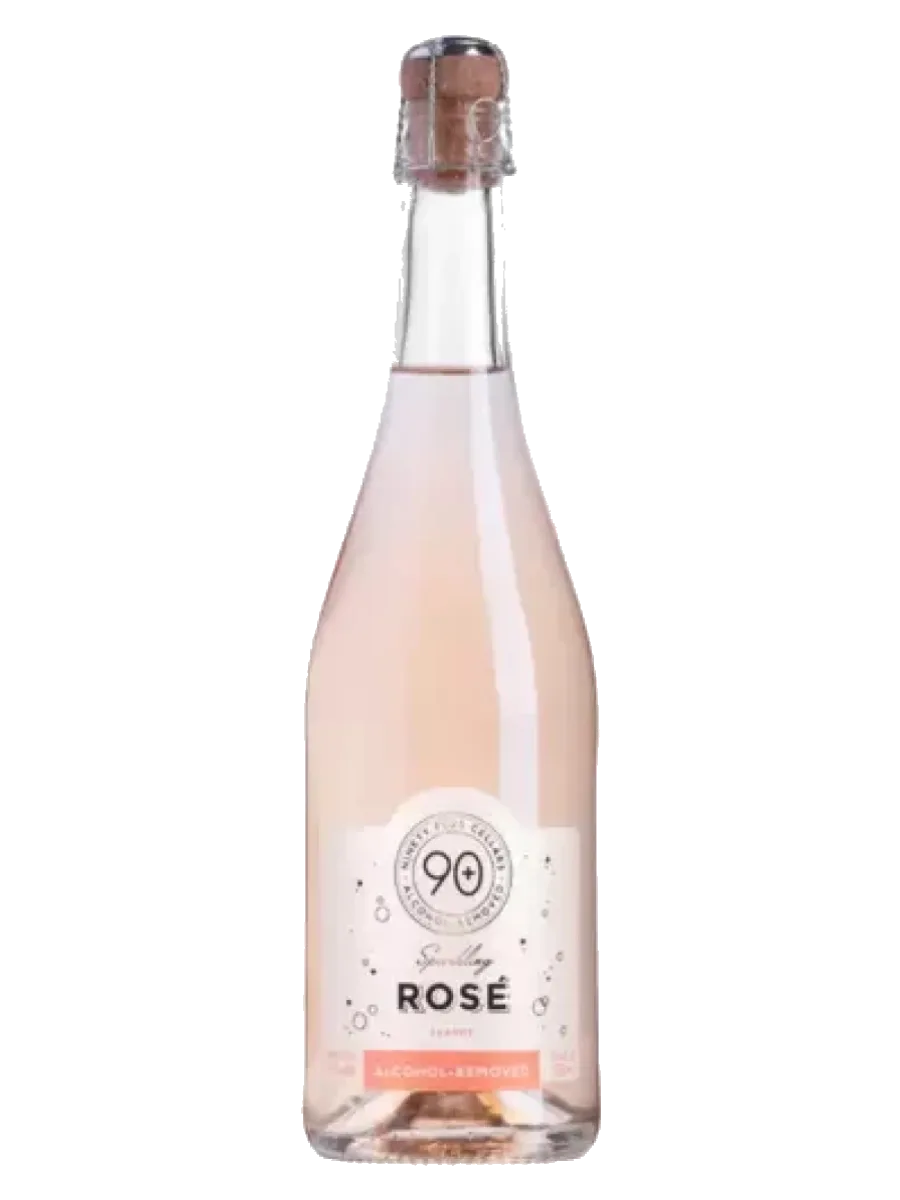
Same style
90+ Cellars Lot 229 Sparkling Rosé
Reverse osmosis
- Strawberry
- Cranberry
- Raspberry

82/100 Research score How we score