
0.0
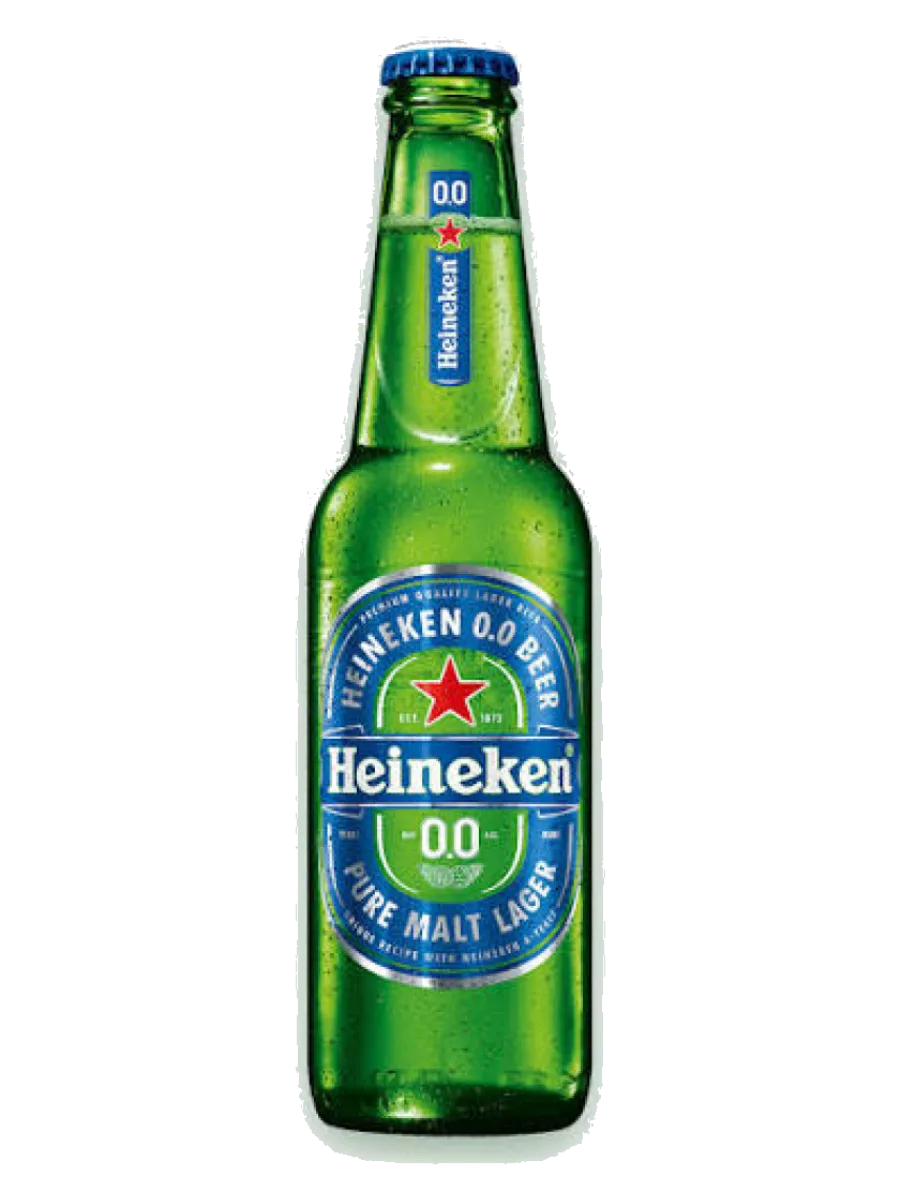
53/100
The short takeOrdinary to the point of empty — wet cardboard, faint grain, gone before you swallow.
Tasted Karl HillHow we score
Serve Ice cold, if you drink it at all.
Who it’s for When the only other option is tap water, and you still might pick the water.
Try instead
-
Bohemian Subterfuge Czech Pale
A higher-scoring bottle in this style
Beaglepuss Bohemian Subterfuge Czech Pale sits at 84 in the same style. It has less perceived sweetness.
Compare -
Vienna Suite Golden
A higher-scoring bottle in this style
Eighteen Twenty Vienna Suite Golden sits at 83 in the same style. It has less perceived sweetness.
Compare -
Maintain Mexican Brew
A higher-scoring bottle in this style
BrewVo & New Terrain Brewing Maintain Mexican Brew sits at 78 in the same style. It has less perceived sweetness.
Compare
In the glass
- Nose
- wet cardboard and a faint grain whisper. Nothing you would call malt.
- Palate
- Water with a hint of sweetness and almost no bitterness. It tastes like nothing.
- Finish
- Gone before you swallow. No hop, no malt, no aftertaste.
Structure Show Hide
Structure
- Sweetness
- Off-dry
- Bitterness
- Modest bitterness
The beer
It tastes like almost nothing — and that ordinariness is the whole glass. Wet cardboard and a faint grain whisper arrive first; nothing you would call malt. Gone before you swallow: no hop, no malt, no aftertaste.
Ice cold if you drink it at all; warmth makes the emptiness louder. Clean in the sense of empty. The glass does not quarrel with you. It simply fails to arrive. Modest bitterness only in theory; in practice the sip is water with a sweet hint, then air. The cardboard note is the only character, and even that is faint — a whisper of grain, then nothing. Pour it cold, finish it fast, or choose something that still tastes like beer. Ordinary, clean, empty: wet cardboard, faint grain, water-sweet sip, then silence. No hop linger, no malt cushion, no aftertaste to argue with. The emptiness is the review. Open on how ordinary it is, and there is little else to say — which is the point. Wet cardboard, faint grain, water-sweet, then nothing. Empty glass, ordinary sip, nothing after. Clean emptiness — that is the glass.
53 sits below the median of the 35 dealcoholized beer bottles we've tasted.
How to drink it
The rest of the serving note.
Show
Hide
Ice cold, if you drink it at all. Warmth makes the emptiness louder.
The bottle
Trade record, where to buy, and product facts.
Show
Hide
Research notes
2026-09-23: US-market 0.0 page confirms vacuum distillation after a double brew with A-Yeast, and says Heineken products for the USA are brewed and packaged in Amsterdam. Country is for this US bottle. The 2026-09-21 lowering of verified applied while the only method support was secondary.
Where to buy
- Package
11.2 fl oz
~$10-12/6pk (US retail; varies)
- Also listed
- Instacart
- Availability
Widely available in US retail including Target
Prices and availability are independently observed and may change. Retailer listings do not imply endorsement. A different package is labeled as a different format. Reader-service exceptions and commercial links are identified above; neither affects scores, rankings, classification, verification, or editorial coverage.
Product facts
- Producer
- Heineken
- Origin
- Zoeterwoude, Netherlands
- Base beverage
- The traditional Heineken brew, made with the same A-Yeast before alcohol extraction
- Bottle / can
- 11.2 fl oz (330 ml) bottles and cans
Sources & verification
Show details
Hide details
Source links leave this site and open in a new tab.
Evidence at a glance
- Producer documented5 facts
- Secondary source1 fact
- Retailer sourced3 facts
- Unverified4 facts
Sources
-
4 notes
- Production
- Type stays dealcoholized. Evidence tier rises from the secondary Process article.
- Method
- Replaces the secondary Process write-up, which added distillation columns.
- Country
- The footer excepts only Heineken Original 24 oz cans, which are also canned in Monterrey.
- Verified
- Primary producer page now supports the dealcoholized classification.
Product record history Sourced changes and open disagreements. Prior claims stay on the record when sources conflict.
- ReviewedReviewed and published.
- UpdatedCatalog record updated from sourced research.
- Method verified · MethodCorrected from Alcohol extracted from the traditional brew using vacuum distillation columns, following a double-brew step with Heineken's A-Yeast (documented by The Process) to Double brewed with Heineken A-Yeast, then the alcohol is removed by vacuum distillation.. Producer US 0.0 page names double brewing with A-Yeast and vacuum distillation. Drops the unsourced columns detail from the secondary write-up.
- Classification changed · ClassificationCorrected from no to yes. Producer page is primary production-type evidence, so verified moves from no to yes.
Production
Compare another production approach
-
Non-Alcoholic
St. Pauli Girl Non-Alcoholic is naturally low alcohol. This bottle is dealcoholized by vacuum distillation.
Compare