
Evidence
How clearly do nonalcoholic wine brands disclose how their wine is made?
We checked 215 nonalcoholic wines from 115 brands. Nearly half the dealcoholized wines name no removal method; a third have conflicting alcohol figures.
Every nonalcoholic wine on a shelf makes the same basic promise: little or no alcohol. Far fewer explain how they got there. To see how much producers actually disclose, we looked at every nonalcoholic wine in this catalog and asked three questions of the sources behind each one. Was the wine made as wine and then dealcoholized? Does anyone name the technique used to remove the alcohol? And do the sources agree on how much alcohol is left?
The answer, in short: most producers will tell you the wine was dealcoholized, about half will tell you how, and a surprising share of products carry conflicting alcohol figures depending on where you look.
What we counted
The sample is the 215 nonalcoholic wines published in this catalog as of 17 October 2026, from 115 brands. Each record is researched from primary sources first: producer pages, technical sheets, importer sheets and, where we have the bottle, the physical label. Retailer listings are used when nothing better exists, and are marked as weaker evidence. Disagreements between sources are recorded rather than resolved by guesswork. How we check a claim.
This is a catalog of wines we have chosen to cover, weighted toward what is available to buy in the United States. It is not a census of the market. The figures describe what these producers disclose, not the industry as a whole.
Most say the wine was dealcoholized
| Production type | Wines | Share |
|---|---|---|
| Dealcoholized | 184 | 86% |
| Alternative (built from other ingredients) | 17 | 8% |
| Hybrid (dealcoholized wine plus other defining ingredients) | 14 | 7% |
For 175 of the 215 wines, the production type is marked verified: a cited source, most often the producer or the bottle’s own label, directly supports it. For the other 40, the classification rests on weaker or less direct evidence, such as a retailer or distributor listing, and the record says so. The basic fact of how a wine was made is usually available, but not always from the people who made it.
About half name the method
Saying a wine was dealcoholized is one claim. Saying how is another, and it is where disclosure thins out.
| Method disclosure among the 184 dealcoholized wines | Wines | Share |
|---|---|---|
| A named technique | 92 | 50% |
| — vacuum distillation | 58 | |
| — spinning cone | 28 | |
| — reverse osmosis | 5 | |
| — membrane filtration | 1 | |
| A description that is not a standard technique | 7 | 4% |
| No technique named by any source we found | 85 | 46% |
The gap is wider at brand level. Of the 101 brands with at least one dealcoholized wine here, 41 name a technique for every wine we cover, 9 do so for some, and 51 name it for none.
The middle row deserves attention. Some producers do describe their process, but in their own terms rather than an established one. Élivo describes a “pressure system at a low temperature”; NEWBLOOD describes “triple distillation.” Those descriptions are recorded as written and classed as Other, because translating them into a standard technique would be a guess.
“Undeclared” means no source we found names the technique. It does not mean the producer is hiding anything, and it is not a judgment of quality. Several of the best-scoring wines in this catalog have undeclared methods. It simply means a shopper who wants to know how the wine was made cannot find out.
A third disagree on the alcohol
The most surprising finding is about the alcohol figure itself. For 67 of the 215 wines, 31%, at least two sources state different alcohol content for what appears to be the same product.
The disagreements are usually small, but they are not trivial. The same bottle may be listed as 0.0% by one retailer, “less than 0.5%” by another and 0.5% by a third. A producer’s technical sheet may print one residual figure and its own product page another. Zeronimo’s Leonis Blend is listed at 0.2% on its 2022 data sheet and 0.25% on its product page; Plus & Minus Pinot Noir appears as less than 0.5%, 0.5% and 0% depending on the retailer.
Part of the cause is that “0.0%” and “under 0.5%” are different claims that often get used interchangeably. Part is retailers copying figures loosely. Either way, a shopper who needs a precise number should look for it on the producer’s technical sheet or the bottle, not a shop listing. 0.0% vs under 0.5%.
Only 31 of the 215 wines publish a specific residual figure, such as 0.2% or under 0.05%. The rest state 0.0% (58) or only the legal ceiling of under 0.5% (126).
What good disclosure looks like
The clearest producers in this catalog tend to do the same few things:
- Name the technique on the product page or technical sheet, not only in a founder interview or press release.
- Publish a technical sheet with the residual alcohol, residual sugar and grape composition.
- Keep the figures consistent between the label, the sheet and the website.
- Say what was added back. Grape must, aromas recovered during removal, or other ingredients each change what the wine is.
Lautus is a useful example. Its technical sheet names spinning cone under vacuum, explains that aromatics are captured first and returned after the alcohol is removed, and prints residual sugar, acidity and alcohol. That is enough for a shopper to understand what is in the bottle without trusting a marketing line.
Why it matters
How a wine was dealcoholized affects how it tastes, and the method is one of the few production facts a shopper can compare across brands. When half the category does not name it, buyers fall back on price, packaging and the word “zero,” none of which says much about the wine.
For producers, the bar is low. A one-line method statement and a consistent alcohol figure would move many of the wines in this catalog from undeclared to documented. Where a producer has supplied those details, the record shows them, and corrections are welcome through the correction form.
Method notes
- Counts reflect the published catalog on 17 October 2026 and will change as records are added or updated.
- Production type follows the classification rules. Alternative wines have no removal method to disclose and are excluded from the method table.
- A technique counts as named only when a source names it for that wine or its range. Generic phrases such as “alcohol removed” or “gently dealcoholized” do not count.
- An alcohol disagreement is counted when at least two sources state different figures; each one is listed on the wine’s record.
In the cellar
Compare holds up to four. Want to try keeps a bottle in My Bottles.
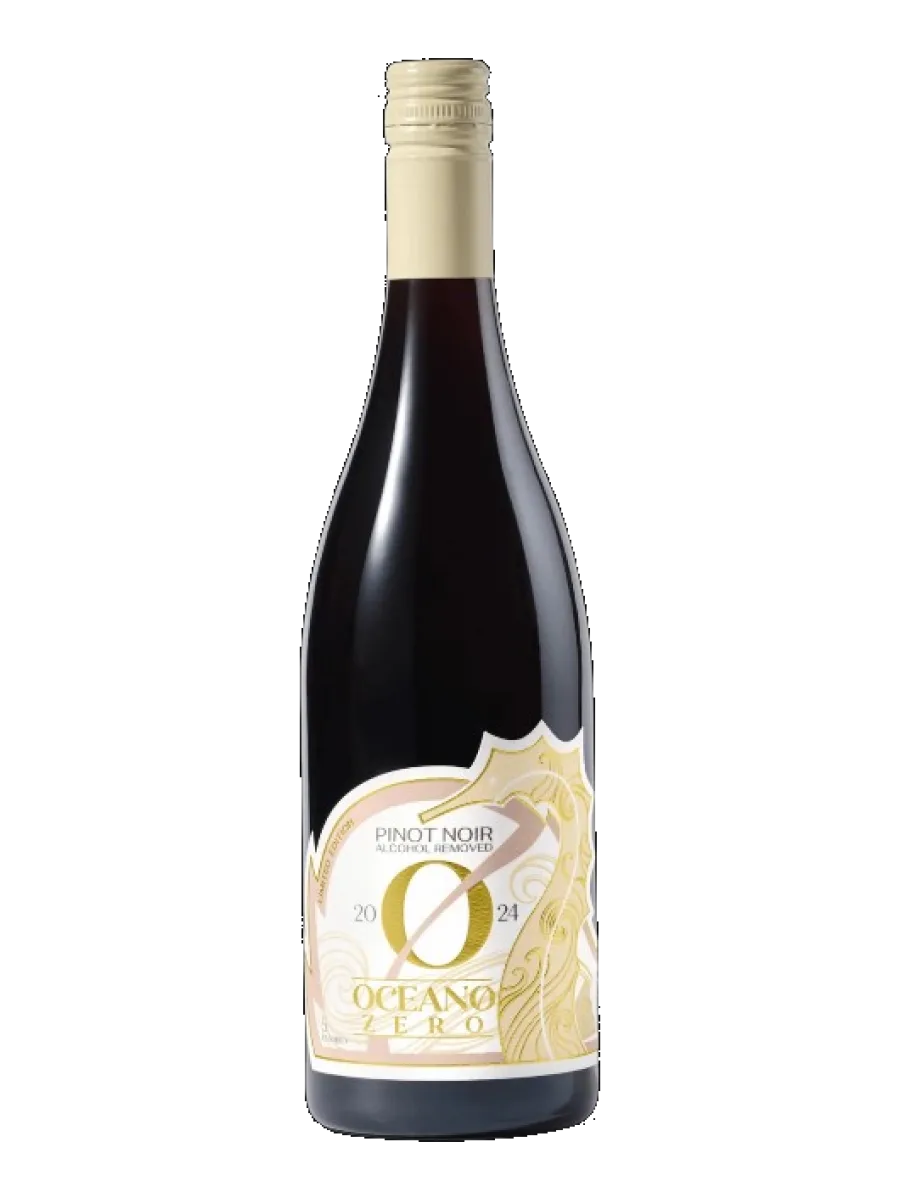
91/100
- 3.4 kcal / 100 ml
- 0.1 g sugar / 100 ml
- Cherry
- Blackcurrant
A powerful, expressive Pinot Noir with dark red fruit, pronounced tannin, and an unusually persistent finish. The frame is still thin, but the wine has aroma, depth, and enough structure to make the compromise feel worthwhile.
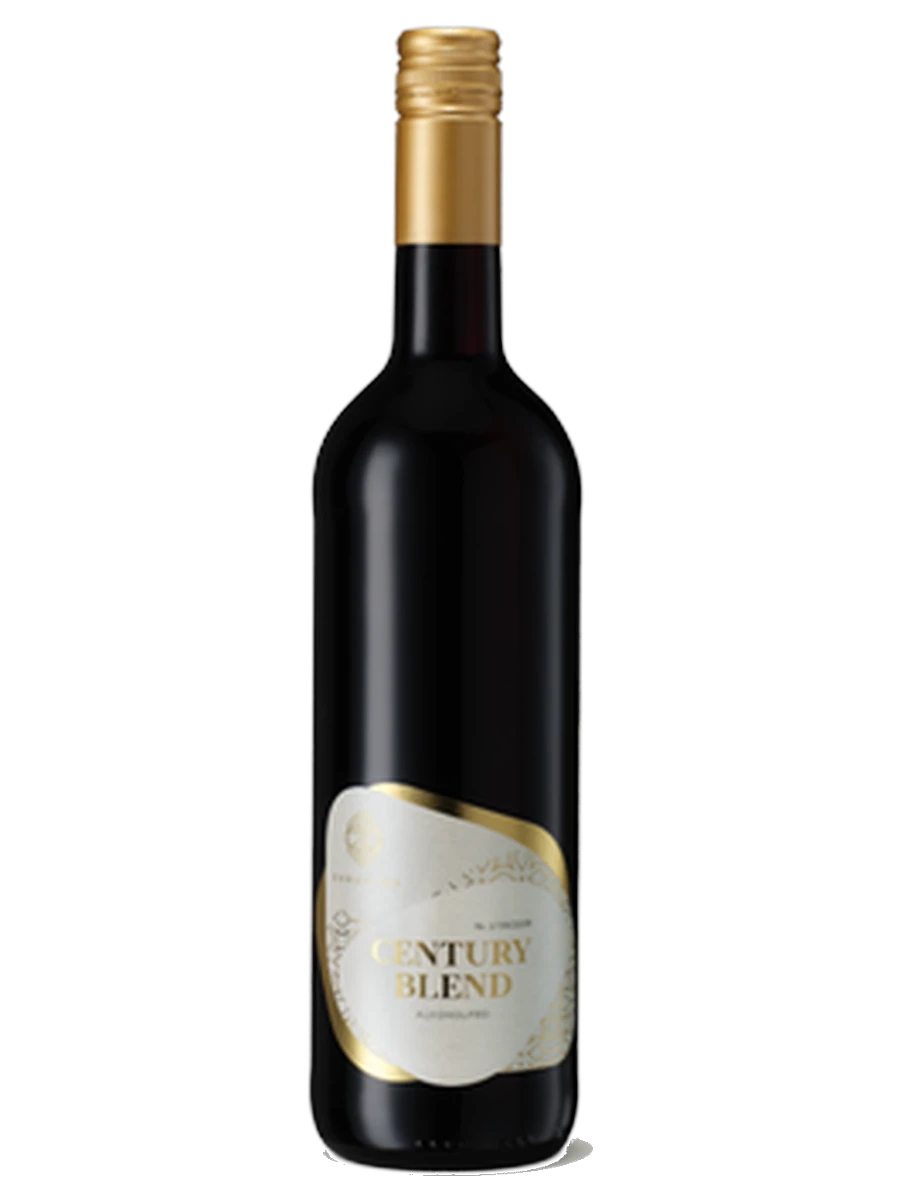
89/100
- 13.5 kcal / 100 ml
- 2 g sugar / 100 ml
- Dark fruit
A distinctive, composed red whose appeal lies in aromatic interest, finesse and balance. Restrained dark fruit and mouthwatering acidity feel complete within the light body, and the fruit persists into a gently warming finish.
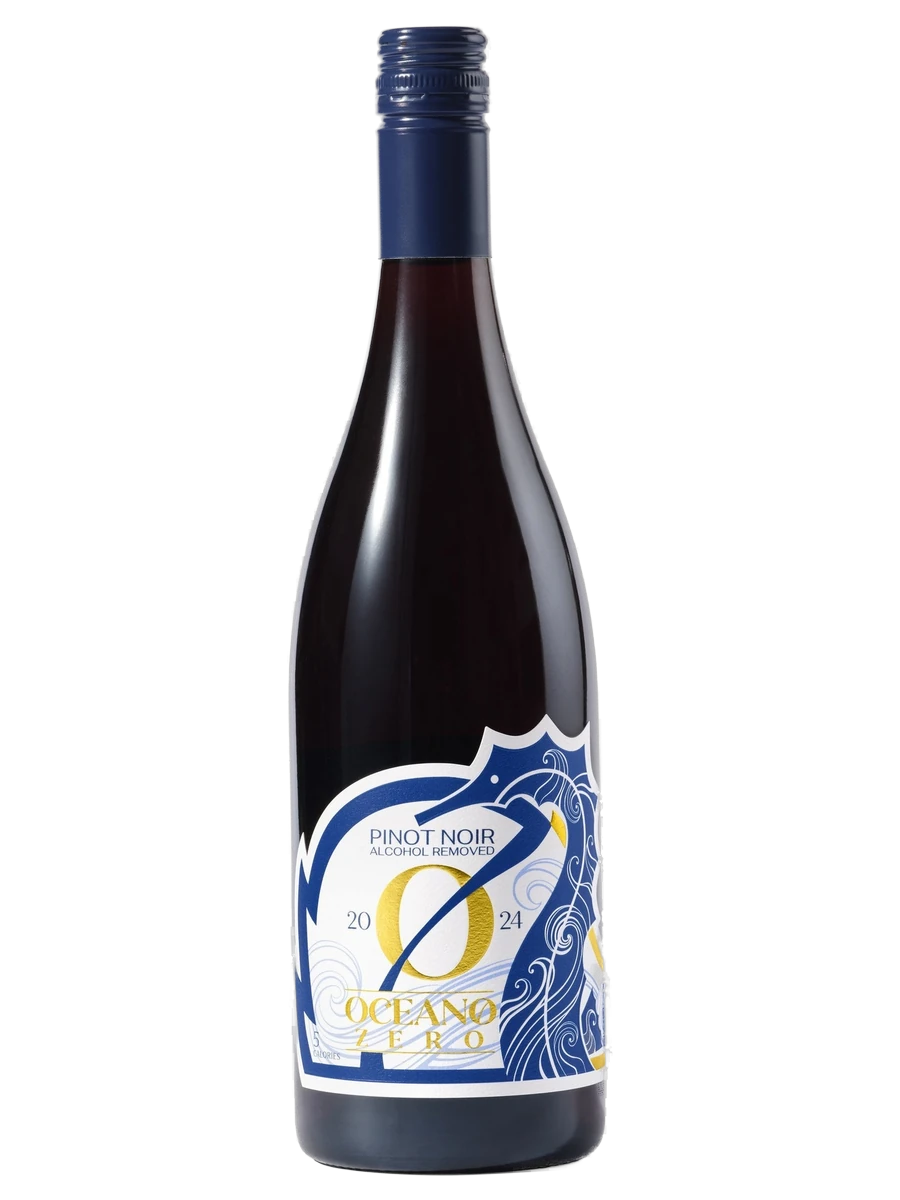
89/100
- 3.4 kcal / 100 ml
- 0.1 g sugar / 100 ml
- Cherry
- Blackberry
- Plum
An expressive nonalcoholic Pinot Noir with convincing wine character, a dry profile and a persistent finish. Thin texture limits its fullness, but the aromatic expression and lasting flavor make it a strong example of the category.