

Cider
Trabanco Sidra Sin Alcohol
83/100 How we score
Verdict
Real Asturian sidra natural with the alcohol stripped — sharp apple, bright acid, and the pour-from-height ritual intact. Lighter than the full-strength culín, but it still behaves like sidra in the glass.
At a glance
- Flavor profile
- Green apple
- Citrus
- Structure
- Bone dry
- High acidity
- Soft bead
- Light body
- Medium finish
- Mouthfeel
- Lean and lively once aerated — thin without going watery, with a short sparkle rather than a soft-drink fizz.
- What stands out
- The high pour wakes it up: sharp apple and acid land like sidra, not like juice.
- How cider-like is it?
- Closer to Asturian sidra natural than to North American “NA cider” juice bombs — the dealcoholization shows as lightness, not as fake sweetness.
- Perfect for
- Anyone who wants the Asturian pour-from-height ritual without the alcohol — or a cider-bar bottle that is actually dealcoholized sidra, not apple soda.
Tasting notes
-
01
Nose
Fresh sour-apple and green-apple skin, clean rather than oxidized, with a faint cider-house funk that says fermented fruit, not cordial.
-
02
Palate
Dry and acid-led on entry; the apple stays tart and slightly bitter-edged from the cider varieties. Body is light — you feel the missing ethanol as lift rather than as hollowness — and a soft bead shows after a proper high pour.
-
03
Finish
Short-to-medium, citrusy and clean, the sour apple trailing off without syrup. The glass wants another pour more than a linger.
The cider
Trabanco Sidra Sin Alcohol is dealcoholized Asturian sidra natural from Asturias, Spain — bitter, acidic, and acidulated apples fermented in chestnut, then stripped of alcohol. It is not juice dressed as cider and not a formulated alternative. The bottle in hand reads Sin Alcohol, solo 42 kcal, and under 0.5% vol on a classic green 70 cl sidra shape.
Poured from height, it wakes the way Asturian sidra should: sharp sour apple, clean acid, a little cider-house funk, and a light bead instead of soft-drink foam. The dealcoholization shows as lift and thinness rather than as sweet fake fruit. You miss some of the alcoholic culín’s weight, but you keep the ritual and the apple varieties’ bite.
Serve it cold and keep pouring high. That is the point of this bottle.
How to drink it
Well chilled. Pour from height into a wide glass the Asturian way to wake the acid and bead.
How it was made
Classification: Dealcoholized — Asturian sidra natural fermented in chestnut casks, then dealcoholized. Producer describes a physical evaporation process; the US importer describes centrifuge dealcoholization with lees returned — see discrepancies.
Evidence status: Documented
Method: Physical evaporation of fermented Asturian sidra natural (producer); US importer De Maison Selections describes centrifuge dealcoholization with fine lees reintroduced
Sources disagree on the following points.
- Method: Sidra Trabanco (producer) describes dealcoholization by physical evaporation with regulated, low-invasiveness heating. De Maison Selections (US importer) describes centrifuge dealcoholization after fermentation, then reintroduction of fine lees. We print both claims; method facet stays other until one process is confirmed on a current producer technical sheet in English.
- Abv: Producer web pages state 0.5% (0.5º). The bottle label prints <0.5% vol. De Maison lists trace alcohol as less than 0.5% by volume. We print <0.5% from the bottle in hand.
Sources
Product facts are only as strong as their sources. Editorial tasting notes are opinion.
-
ABV
-
Classification · Method · Producer · Country · Region
-
Bottle verified Bottle / can label 70 cl on bottle.
Volume · Calories
70 cl on bottle.
-
Base beverage
-
Price · Availability
Keep tasting
More from the cellar

Similar but sweeter
Riesling Nr. 420
Vacuum distillation
- Green apple
- Lemon
- Orange peel

Similar but sweeter
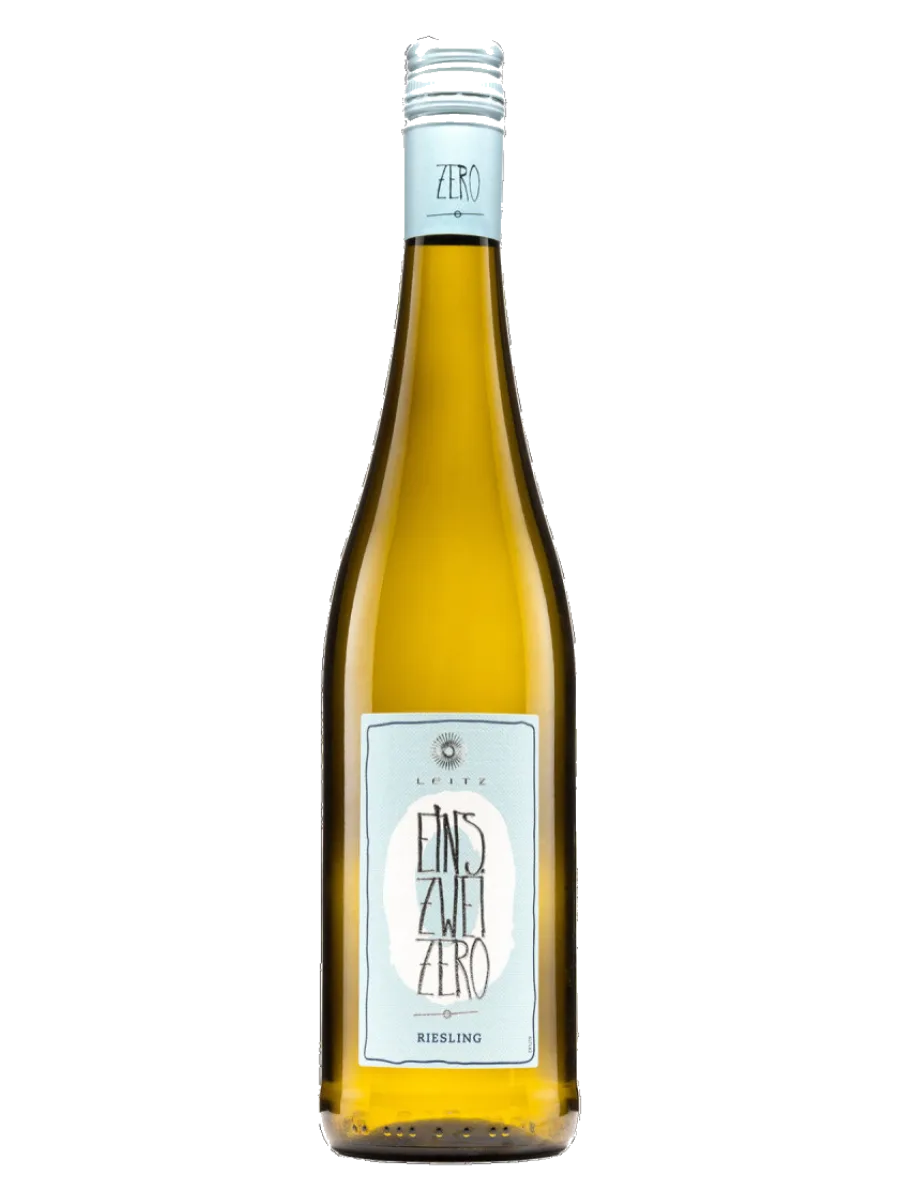
Eins-Zwei-Zero Riesling
Vacuum distillation
- Lime zest
- Green apple
- Rhubarb

83/100 How we score