
The cellar
Compare bottles
Find the differences that matter to your glass. Compare flavor, structure, alcohol, and how each bottle was made.
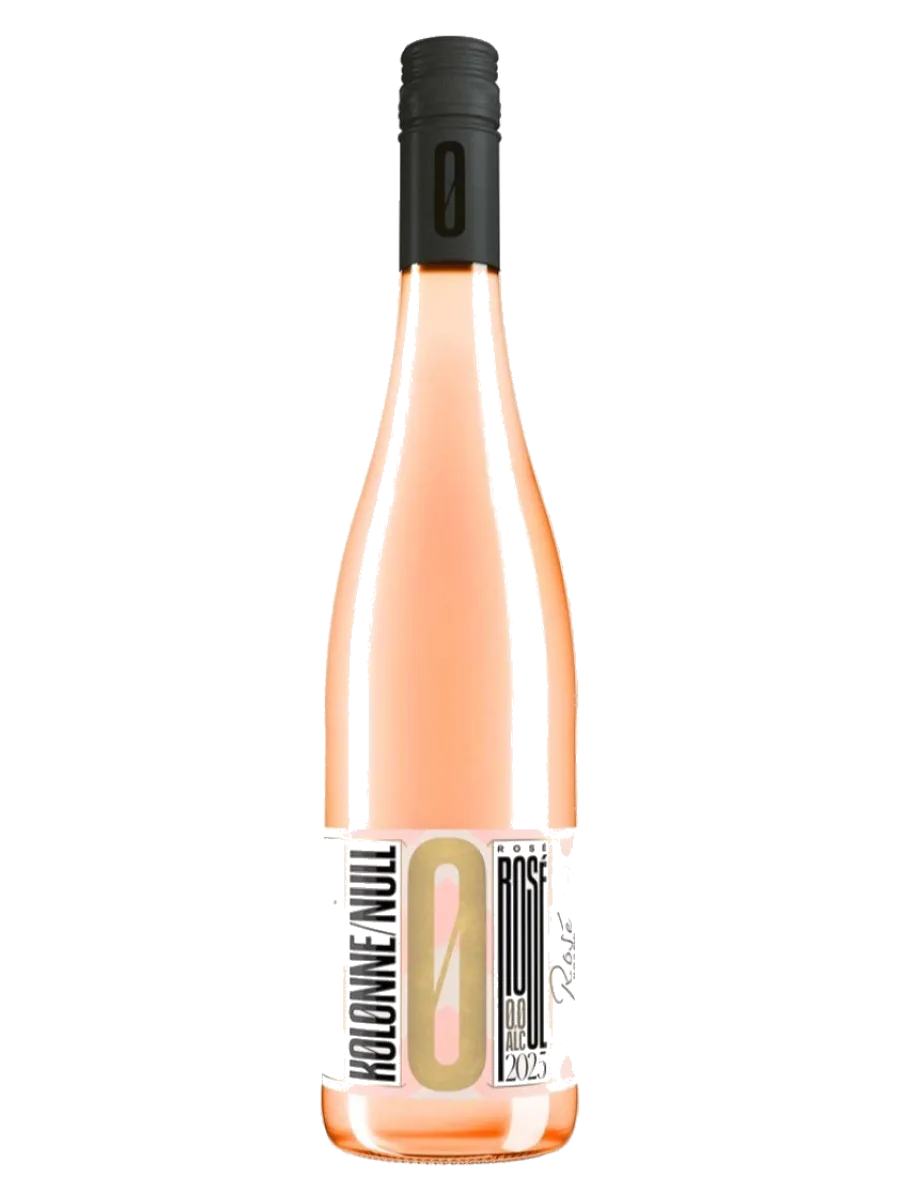
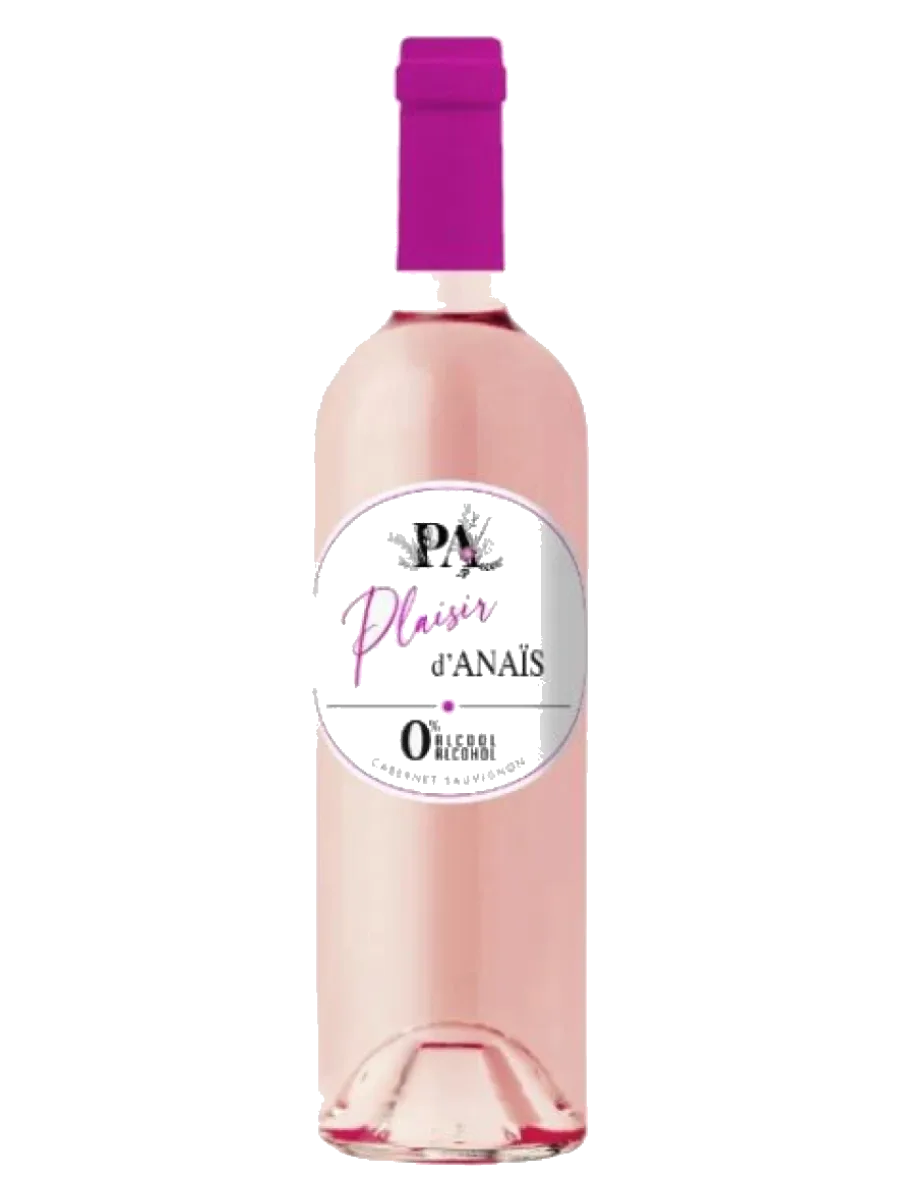
The short version
Where they differ
Acidity
- Bottle 1Bright acidity
- Bottle 2Soft acidity
Flavor profile
- Bottle 1Strawberry, White peach
- Bottle 2Strawberry, Red currant, Blossom
Structure, side by side
From our tastings. Each mark shows an assessed level, with the same scale for every bottle.
Sweetness
1Kolonne NullNot assessed
2Plaisir d'AnaïsMedium-sweet
Body
1Kolonne NullNot assessed
2Plaisir d'AnaïsLight body
Acidity
1Kolonne NullBright acidity
2Plaisir d'AnaïsSoft acidity
| Field |
2 Plaisir d'Anaïs |
|
|---|---|---|
| Taste | ||
| Score Differs | 82/100 |
77/100 |
| Verdict | Kolonne Null's rosé is traditionally vinified Provence fruit dealcoholized by vacuum distillation in the producer's own Berlin laboratory: 0.0% vol, €10.70 a… | Dealcoholized Bordeaux Cabernet Sauvignon rosé. Strawberry and red currant, soft and slightly sweet, with a short berry finish. |
| Flavor Differs | Strawberry, White peach | Strawberry, Red currant, Blossom |
| Sweetness Differs | — | Medium-sweet |
| Body Differs | — | Light body |
| Acidity Differs | Bright acidity | Soft acidity |
| Likeness | Provence in the dry, stony line rather than in candy fruit. Strawberry and white peach stay lean over a mineral spine, on a lighter body than a full-strength rosé. The brief citrus close is where the weight drops out. | An easy pale rosé: strawberry, currant, and flowers. Soft, and done quickly. |
| Product facts | ||
| Origin | Berlin, Germany | Bordeaux, France |
| Evidence | ||
| Sources | 3 sources | 5 sources |
| Last verified | 2026-10-24 | 2026-10-07 |