
The cellar
Compare bottles
Find the differences that matter to your glass. Compare flavor, structure, alcohol, and how each bottle was made.
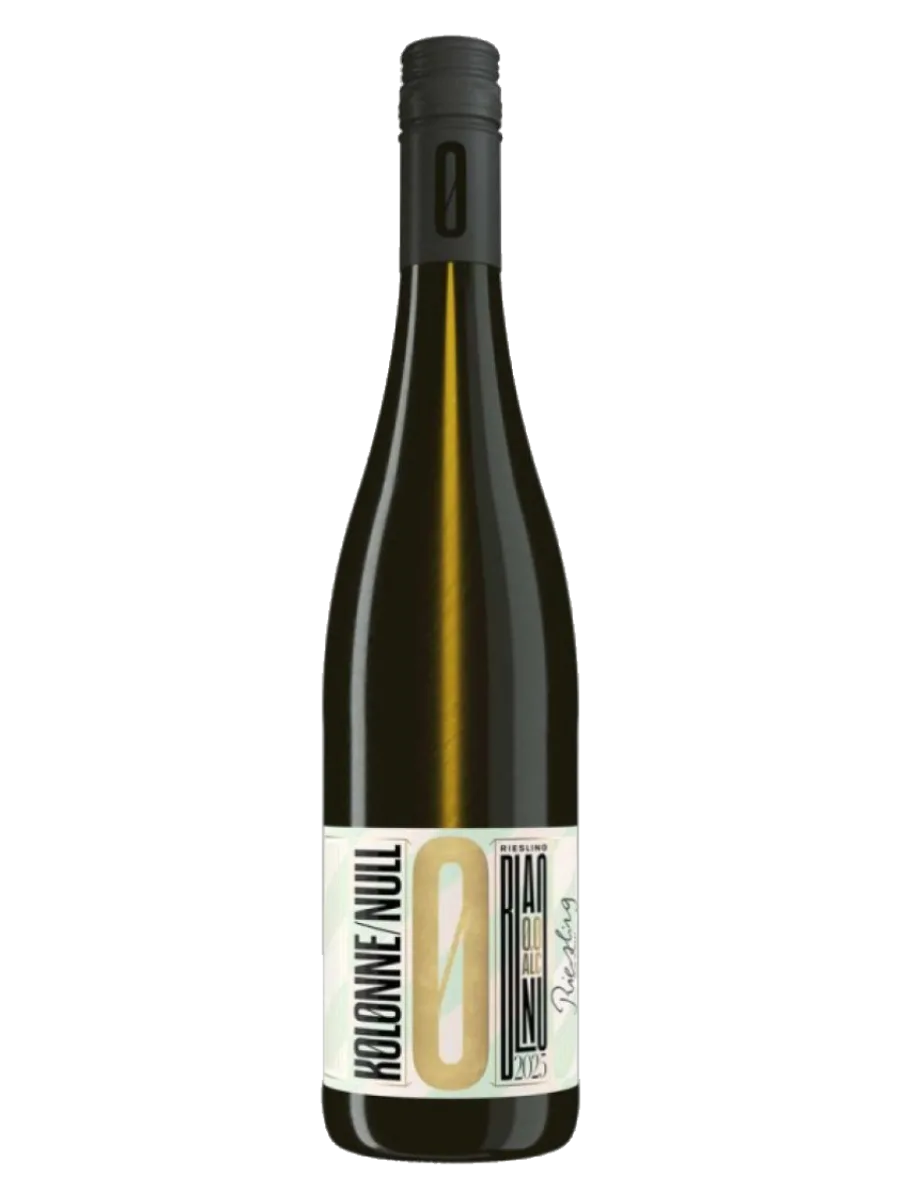
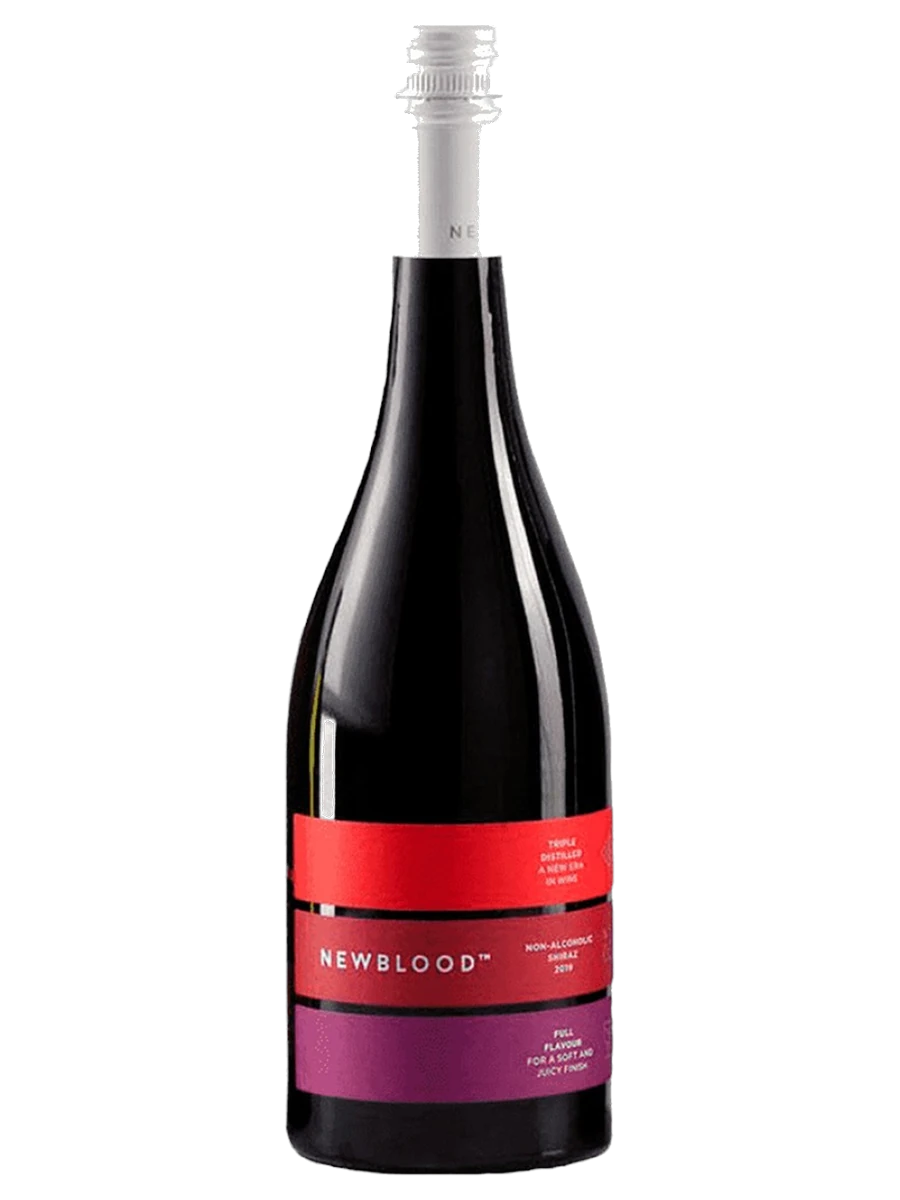
The short version
Where they differ
No clear differences in the assessed structure or declared production facts. Check the tasting notes and evidence below for a fuller picture.
Structure, side by side
From our tastings. Each mark shows an assessed level, with the same scale for every bottle.
Sweetness
1Kolonne NullOff-dry
2NEWBLOODNot yet tasted
Body
1Kolonne NullLight body
2NEWBLOODNot yet tasted
Acidity
1Kolonne NullBright acidity
2NEWBLOODNot yet tasted
| Field |
2 NEWBLOOD |
|
|---|---|---|
| Taste | ||
| Record Differs | Tasted | Research record |
| Score Differs | 87/100 |
Research record |
| Verdict | Kolonne Null removes alcohol from organic German Riesling by vacuum distillation at about 30°C. The current Riesling is labeled 0.0% vol. | Research record |
| Flavor Differs | Quince | Research record |
| Sweetness Differs | Off-dry | Research record |
| Body Differs | Light body | Research record |
| Acidity Differs | Bright acidity | Research record |
| Likeness | Recognizably Riesling: the acid and the slate edge do the work. A little must-sweetness and a short close keep it short of a full Mosel glass. | Research record |
| Style | Riesling | Syrah |
| Alcohol & production | ||
| Method Differs | Vacuum distillation | Other documented method |
| Product facts | ||
| Origin | Germany | Riverina, New South Wales, Australia |
| Evidence | ||
| Sources | 3 sources | 4 sources |
| Last verified | 2026-10-24 | 2026-10-23 |