
The cellar
Compare bottles
Find the differences that matter to your glass. Compare flavor, structure, alcohol, and how each bottle was made.
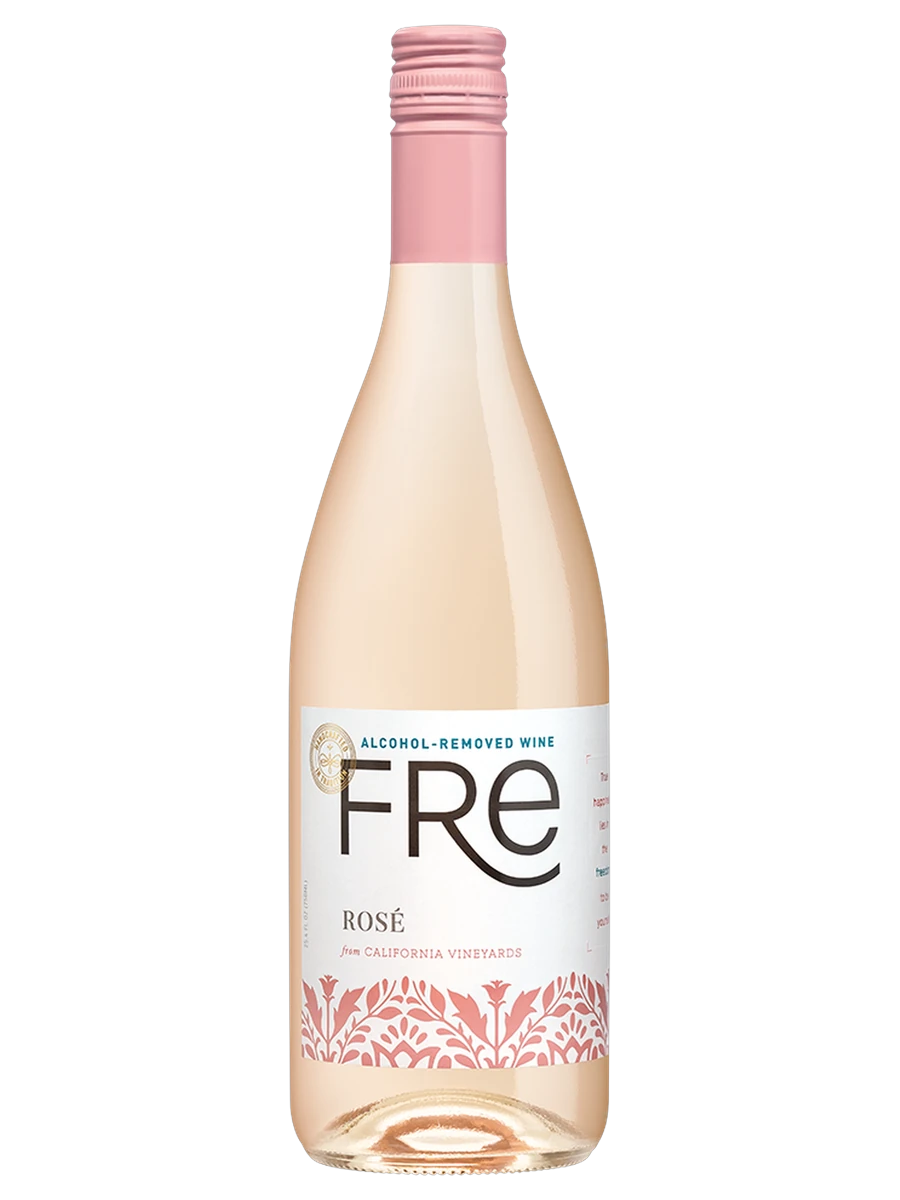
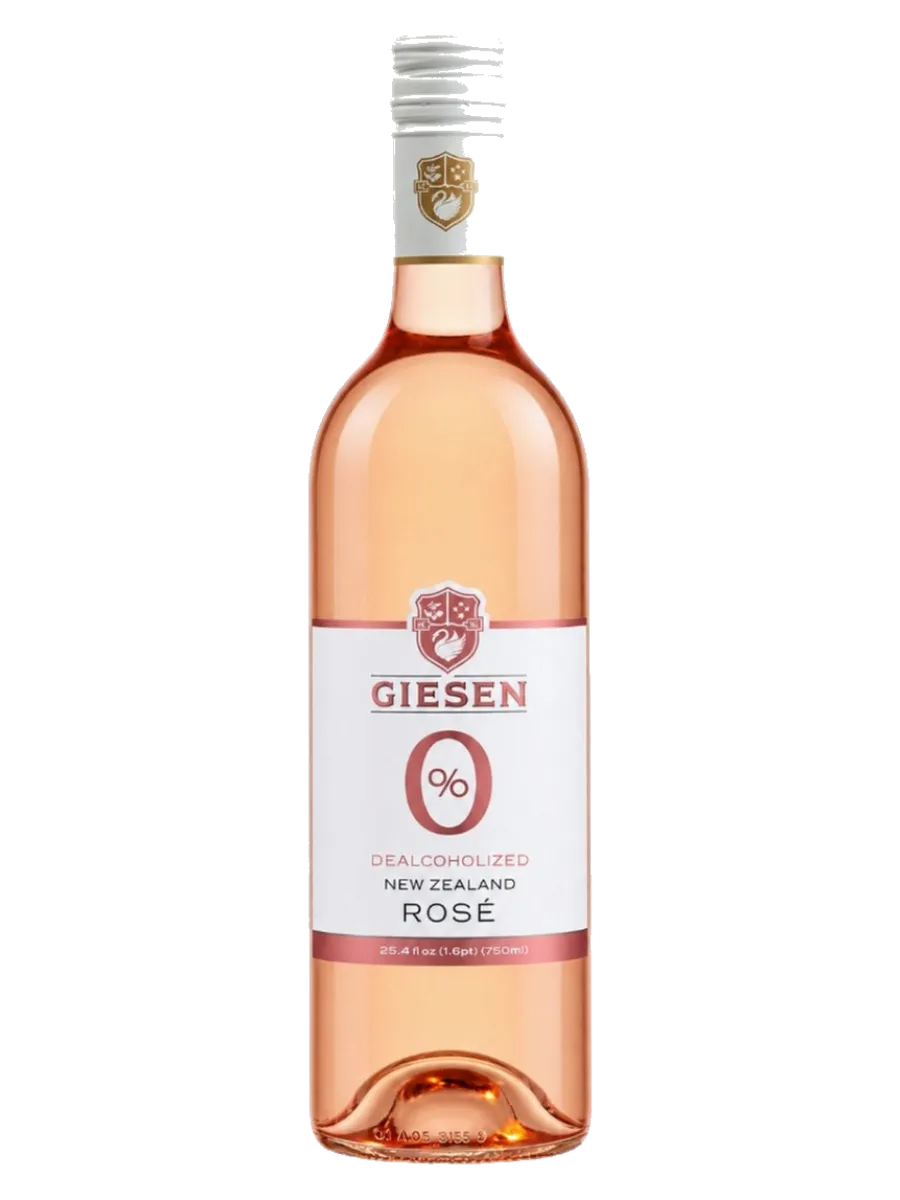
The short version
Where they differ
Acidity
- Bottle 1Soft acidity
- Bottle 2Bright acidity
Flavor profile
- Bottle 1Floral, Strawberry, Raspberry, Citrus, Red fruit
- Bottle 2White peach, Apple, Strawberry
Structure, side by side
From our tastings. Each mark shows an assessed level, with the same scale for every bottle.
Sweetness
1FreNot assessed
2GiesenOff-dry
Body
1FreLight body
2GiesenLight body
Acidity
1FreSoft acidity
2GiesenBright acidity
| Field | ||
|---|---|---|
| Taste | ||
| Score Differs | 76/100 |
86/100 |
| Verdict | Strawberry, raspberry and soft citrus sit in a very thin rosé. Gentle acidity keeps it refreshing, but the slightly chalky, candy-like middle lacks depth. | Giesen ferments a full-strength Marlborough and Waipara rosé, then removes the alcohol with spinning cone technology. Less than 0.5% ABV. |
| Flavor Differs | Floral, Strawberry, Raspberry, Citrus, Red fruit | White peach, Apple, Strawberry |
| Sweetness Differs | — | Off-dry |
| Acidity Differs | Soft acidity | Bright acidity |
| Likeness | — | It reads as rosé rather than pink soda: stone fruit and cranberry, off-dry, on a light frame. The short middle is the limit. |
| Product facts | ||
| Origin | California, United States | Marlborough and Waipara, New Zealand |
| Evidence | ||
| Sources | 3 sources | 4 sources |