
The cellar
Compare bottles
Find the differences that matter to your glass. Compare flavor, structure, alcohol, and how each bottle was made.
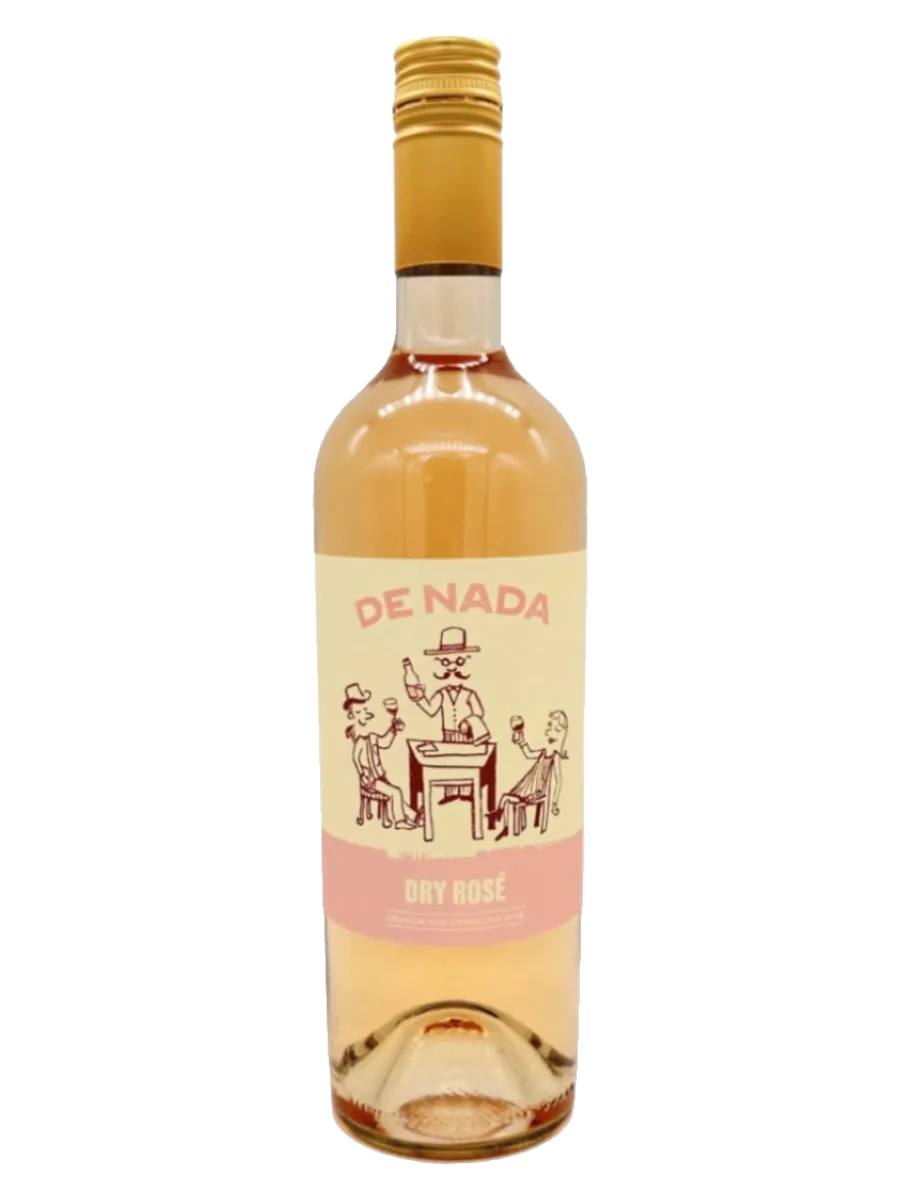
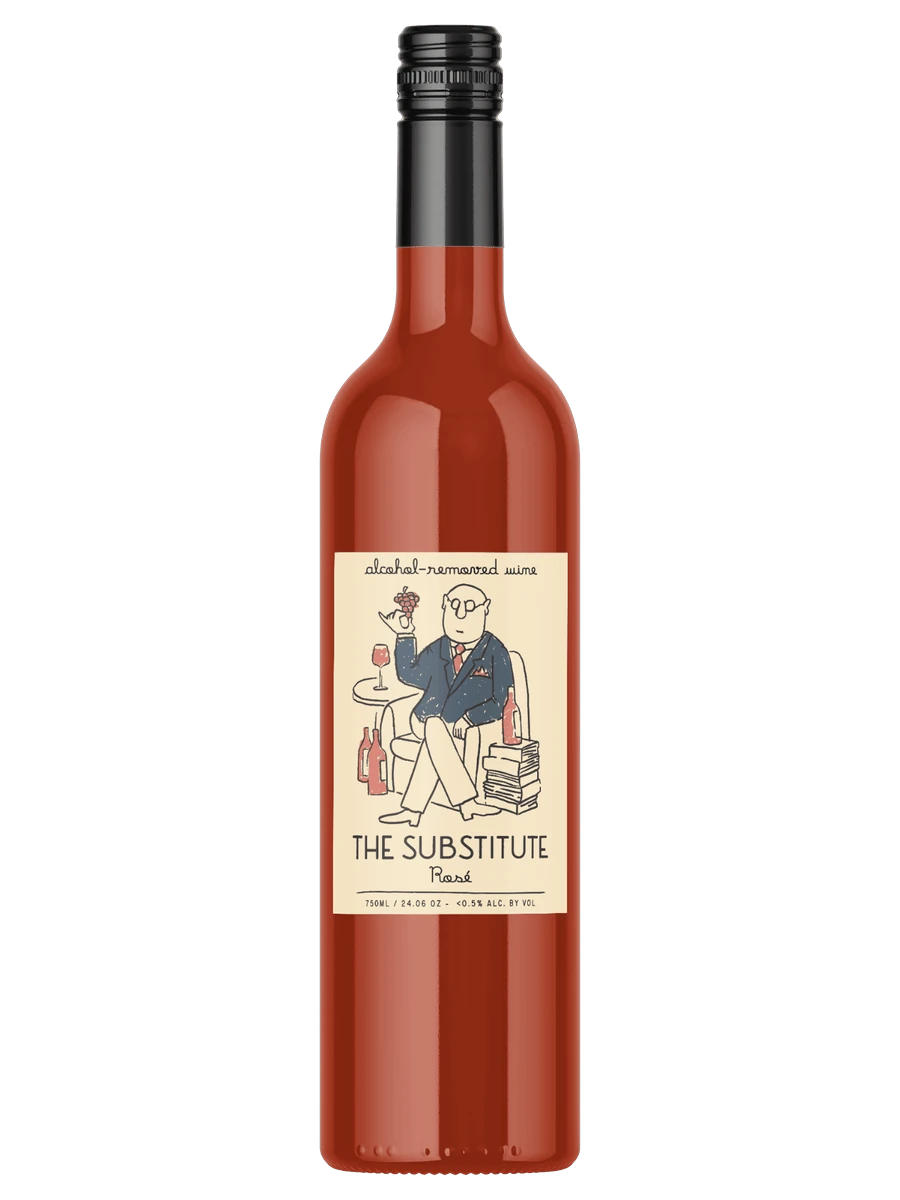
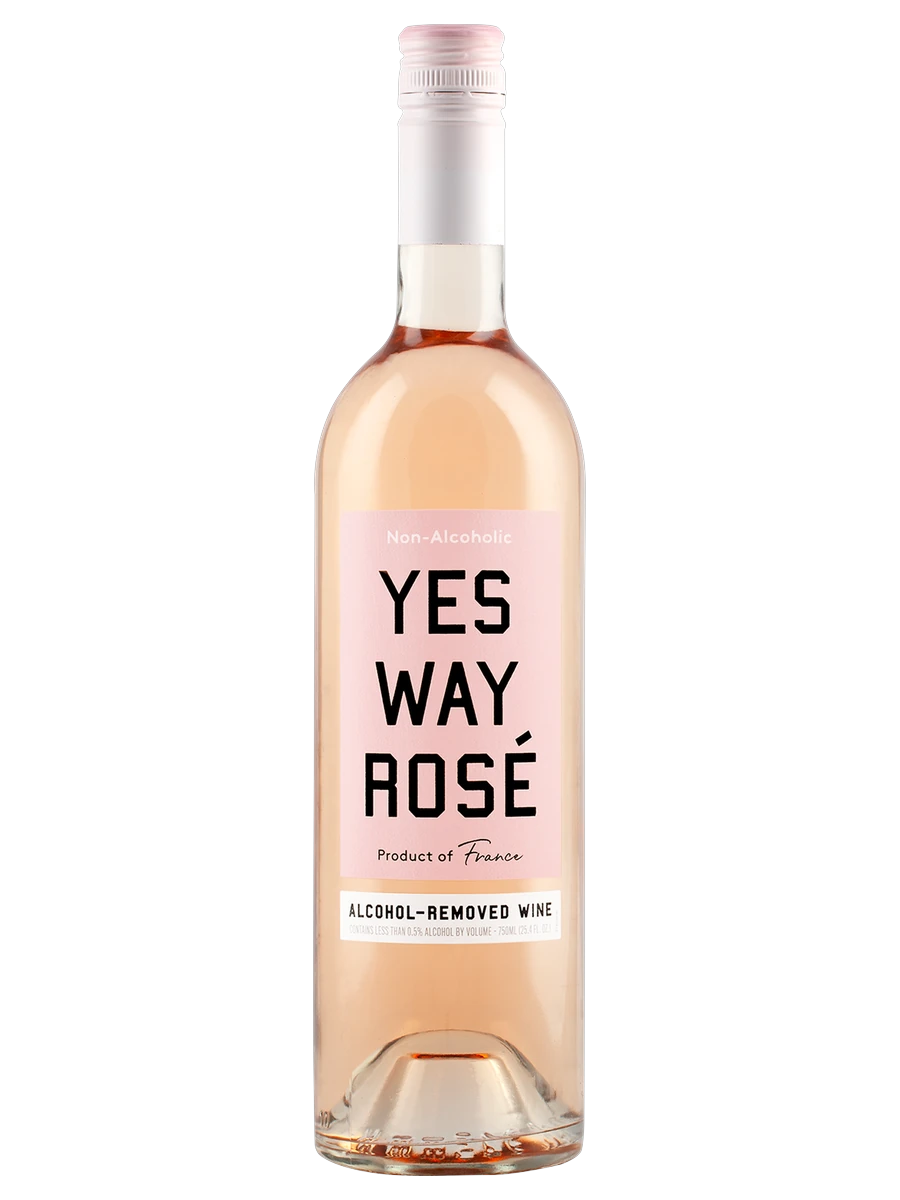
The short version
Where they differ
No clear differences in the assessed structure or declared production facts. Check the tasting notes and evidence below for a fuller picture.
Structure, side by side
From our tastings. Each mark shows an assessed level, with the same scale for every bottle.
Sweetness
1De NadaNot assessed
2The SubstituteNot assessed
3Yes Way RoséOff-dry
Body
1De NadaLight body
2The SubstituteLight body
3Yes Way RoséNot assessed
Acidity
1De NadaNot assessed
2The SubstituteNot assessed
3Yes Way RoséBright acidity
Look closer
The full comparison
Hiding 8 matching fields. Show every field
Blank and undeclared values are missing evidence. They are not treated as the same.
| Field |
1 De Nada |
2 The Substitute |
|
|---|---|---|---|
| Taste | |||
| Score Differs | 79/100 |
82/100 |
82/100 |
| Verdict | De Nada's Non-Alcoholic Rosé is a dealcoholized Chilean wine from the Maule Valley, made in collaboration with veteran Long Island winemaker Juan Esteban Sep… | A refreshing rosé with a light body and gently rounded texture. Acidity gives the palate definition, though the fruit fades quickly on the short finish. | A lightly sweet alcohol-removed rosé. Strawberry, white peach, and citrus, soft through the middle, with fresh acidity and a clean, crisp finish. |
| Flavor Differs | Red berry, Citrus | — | Strawberry, White peach, Citrus |
| Sweetness Differs | — | — | Off-dry |
| Body Differs | Light body | Light body | — |
| Acidity Differs | — | — | Bright acidity |
| Likeness | Dry rosé, nose and palate in the same register. Red berry and citrus on a light frame, without the sweet slide that pulls so many alcohol-removed rosés off the wine. The close is clean and short. | — | Strawberry and white peach read as rosé. Fresh acidity keeps the light sweetness from turning the pour into cordial. The shape is clear, and it is a narrow one. |
| Product facts | |||
| Origin | Maule Valley, Chile | Hungary | France |
| Evidence | |||
| Sources | 6 sources | 6 sources | 3 sources |
| Last verified | 2026-10-10 | 2026-10-18 | 2026-09-27 |