
The cellar
Compare bottles
Find the differences that matter to your glass. Compare flavor, structure, alcohol, and how each bottle was made.
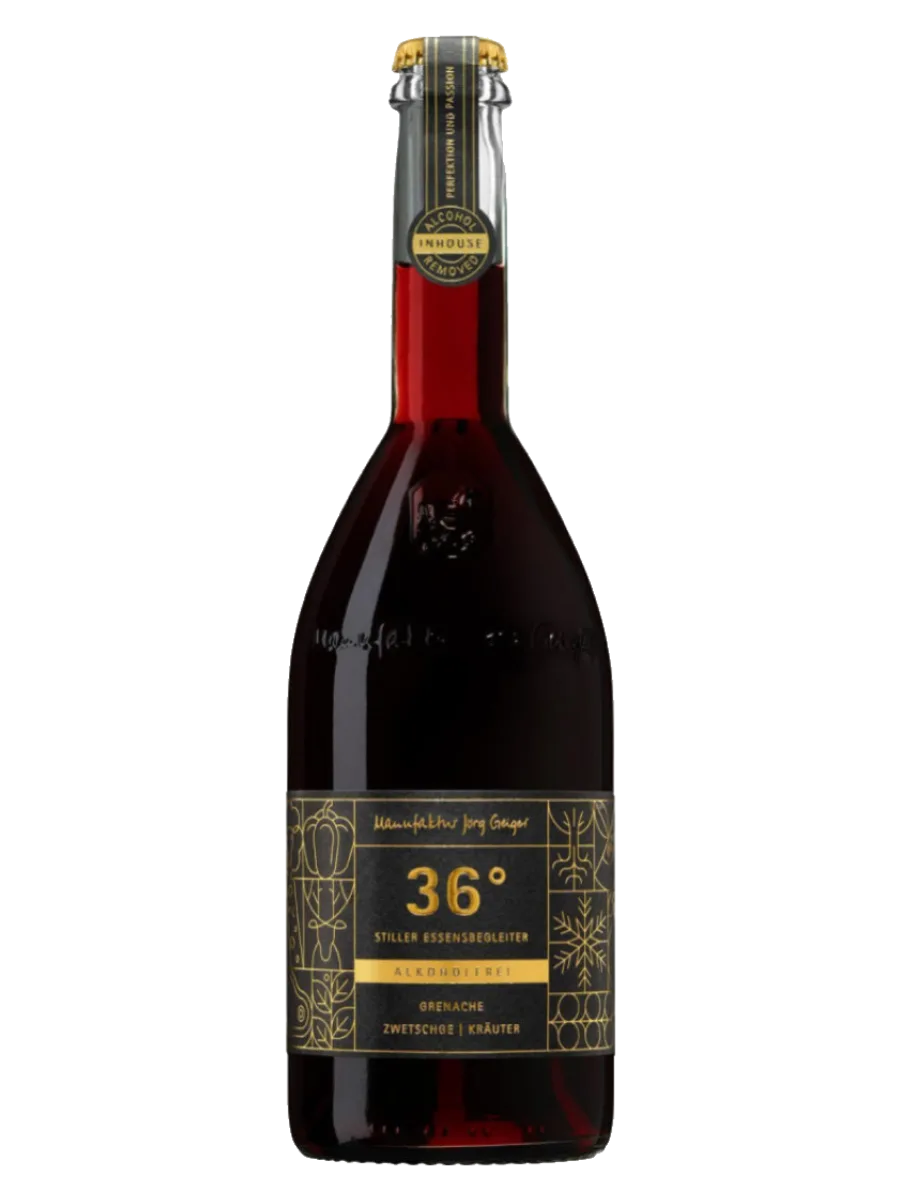
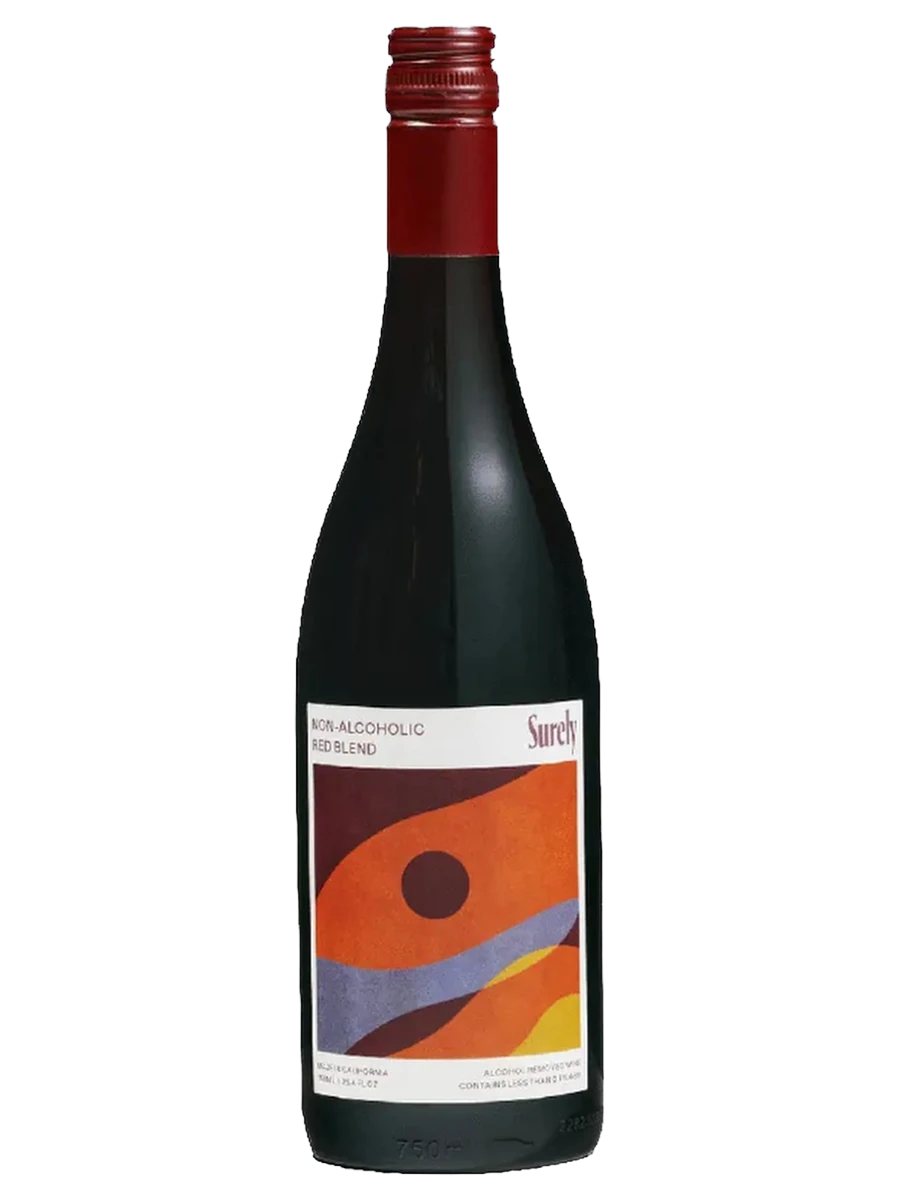
The short version
Where they differ
No clear differences in the assessed structure or declared production facts. Check the tasting notes and evidence below for a fuller picture.
Structure, side by side
From our tastings. Each mark shows an assessed level, with the same scale for every bottle.
Sweetness
1Jörg GeigerOff-dry
2SurelyNot assessed
Body
1Jörg GeigerNot assessed
2SurelyNot assessed
Acidity
1Jörg GeigerBright acidity
2SurelyNot assessed
Look closer
The full comparison
Hiding 7 matching fields. Show every field
Blank and undeclared values are missing evidence. They are not treated as the same.
| Field | ||
|---|---|---|
| Taste | ||
| Score Differs | 84/100 |
81/100 |
| Verdict | Grad 36° is 75% dealcoholized red wine with damson, currant, and blackberry juice. Under 0.5% ABV, still, 750 ml. | Raspberry, plum, and vanilla frame a smooth, softly tannic red with gentle oak and balanced acidity. |
| Flavor Differs | Plum, Spice, Blackcurrant, Lavender | — |
| Sweetness Differs | Off-dry | — |
| Acidity Differs | Bright acidity | — |
| Likeness | More wine-like than most nonalcoholic reds because the tannin and the acid are real. Fruit and herbs sit on that structure. They do not replace it. | — |
| Alcohol & production | ||
| Method Differs | Undeclared | Spinning cone |
| Product facts | ||
| Origin | Schlat, Germany | California, United States |
| Evidence | ||
| Sources | 2 sources | 6 sources |
| Last verified | 2026-10-24 | 2026-10-04 |