
The cellar
Compare bottles
Find the differences that matter to your glass. Compare flavor, structure, alcohol, and how each bottle was made.
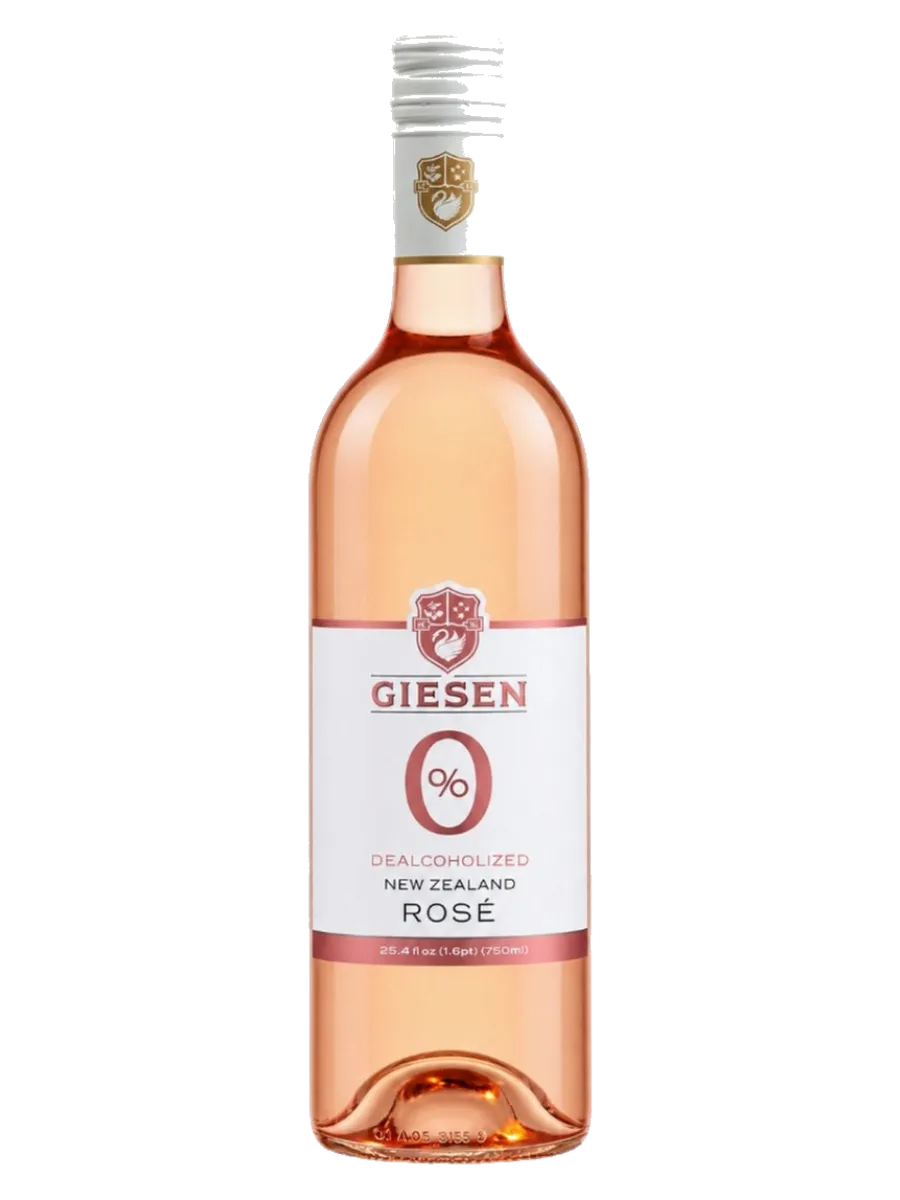
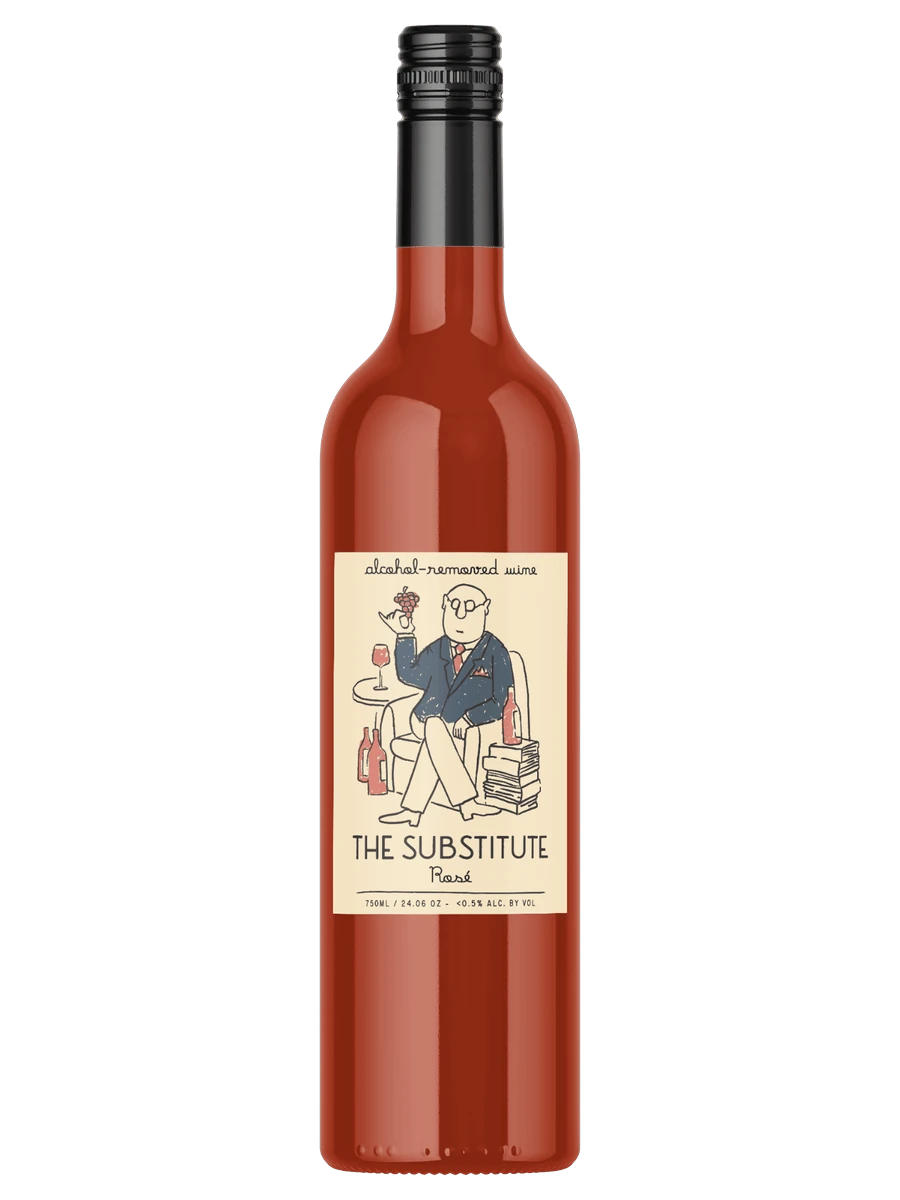
The short version
Where they differ
No clear differences in the assessed structure or declared production facts. Check the tasting notes and evidence below for a fuller picture.
Structure, side by side
From our tastings. Each mark shows an assessed level, with the same scale for every bottle.
Sweetness
1GiesenOff-dry
2The SubstituteNot assessed
Body
1GiesenLight body
2The SubstituteLight body
Acidity
1GiesenBright acidity
2The SubstituteNot assessed
| Field | ||
|---|---|---|
| Taste | ||
| Score Differs | 86/100 |
82/100 |
| Verdict | Giesen ferments a full-strength Marlborough and Waipara rosé, then removes the alcohol with spinning cone technology. Less than 0.5% ABV. | A refreshing rosé with a light body and gently rounded texture. Acidity gives the palate definition, though the fruit fades quickly on the short finish. |
| Flavor Differs | White peach, Apple, Strawberry | — |
| Sweetness Differs | Off-dry | — |
| Acidity Differs | Bright acidity | — |
| Likeness | It reads as rosé rather than pink soda: stone fruit and cranberry, off-dry, on a light frame. The short middle is the limit. | — |
| Alcohol & production | ||
| Method Differs | Spinning cone | Undeclared |
| Product facts | ||
| Origin | Marlborough and Waipara, New Zealand | Hungary |
| Evidence | ||
| Verification Differs | Producer documented | Bottle verified |
| Sources | 4 sources | 6 sources |