
The cellar
Compare bottles
Find the differences that matter to your glass. Compare flavor, structure, alcohol, and how each bottle was made.
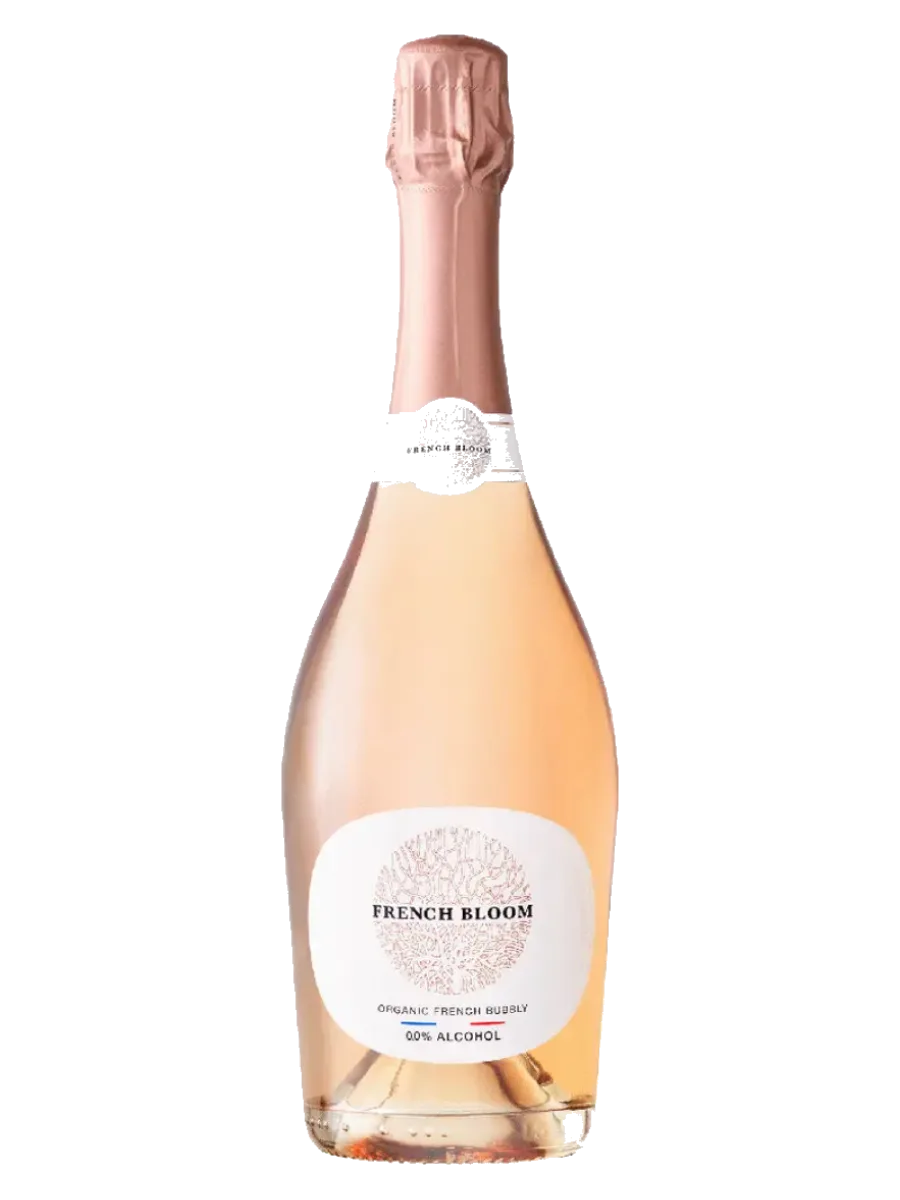
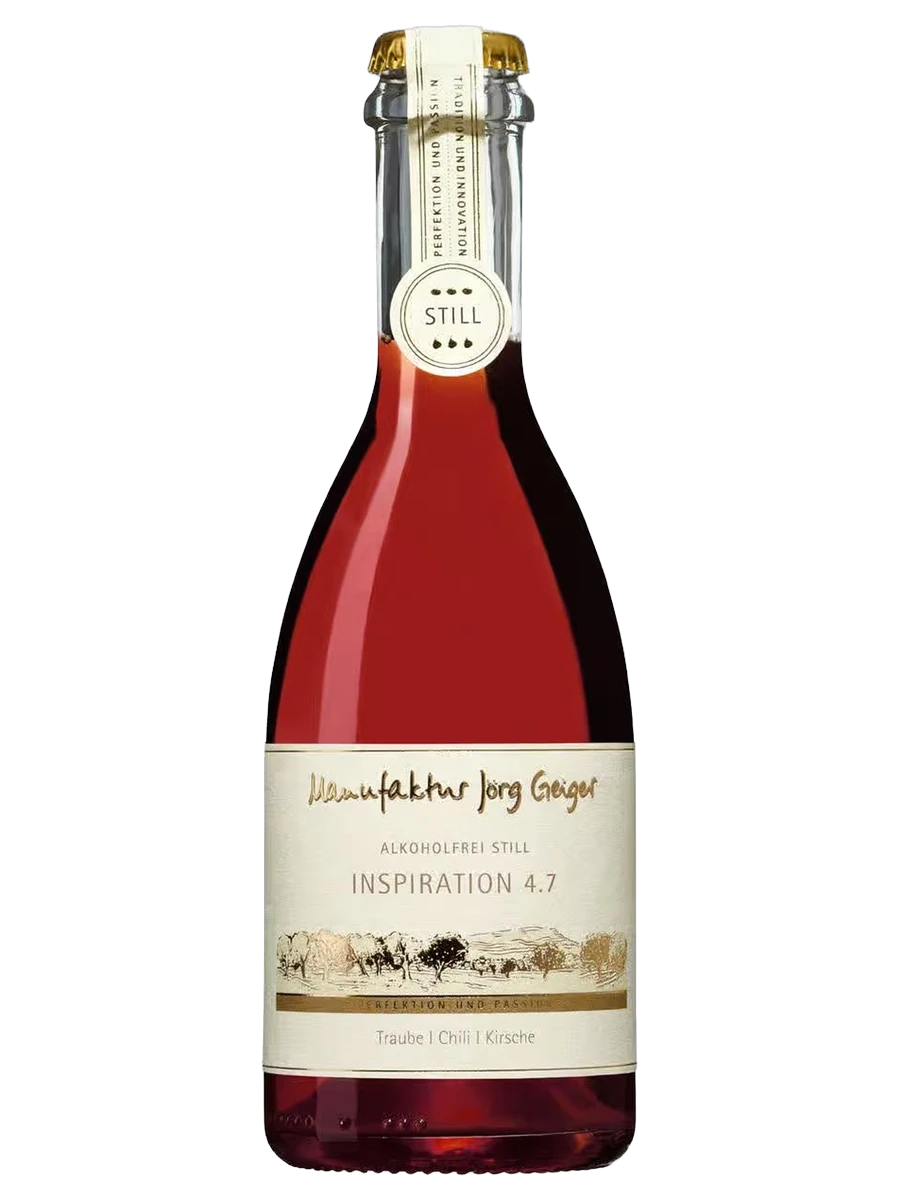
The short version
Where they differ
No clear differences in the assessed structure or declared production facts. Check the tasting notes and evidence below for a fuller picture.
Structure, side by side
From our tastings. Each mark shows an assessed level, with the same scale for every bottle.
Sweetness
1French BloomDry
2Jörg GeigerNot yet tasted
Body
1French BloomLight body
2Jörg GeigerNot yet tasted
Acidity
1French BloomBright acidity
2Jörg GeigerNot yet tasted
| Field | ||
|---|---|---|
| Taste | ||
| Record Differs | Tasted | Research record |
| Score Differs | 89/100 |
Research record |
| Verdict | A dealcoholized French sparkling rosé. Rose petal, wild strawberry, and white peach. Bright, fine-bubbled, mineral, and long enough to stay floral. | Research record |
| Flavor Differs | Rose, Strawberry, White peach, Mineral | Research record |
| Sweetness Differs | Dry | Research record |
| Body Differs | Light body | Research record |
| Acidity Differs | Bright acidity | Research record |
| Likeness | A sparkling rosé you can name: petal, wild strawberry, white peach, and a fine bead. The mineral note keeps the fruit tart. | Research record |
| Style | Sparkling rosé | — |
| Alcohol & production | ||
| Method Differs | Vacuum distillation | Undeclared |
| Product facts | ||
| Origin | Languedoc, France | Schlat, Germany |
| Price Differs | $30+ | Under $20 |
| Bottle size | 750 ml | 375 ml bottle |
| Evidence | ||
| Sources | 5 sources | 3 sources |