
The cellar
Compare bottles
Find the differences that matter to your glass. Compare flavor, structure, alcohol, and how each bottle was made.
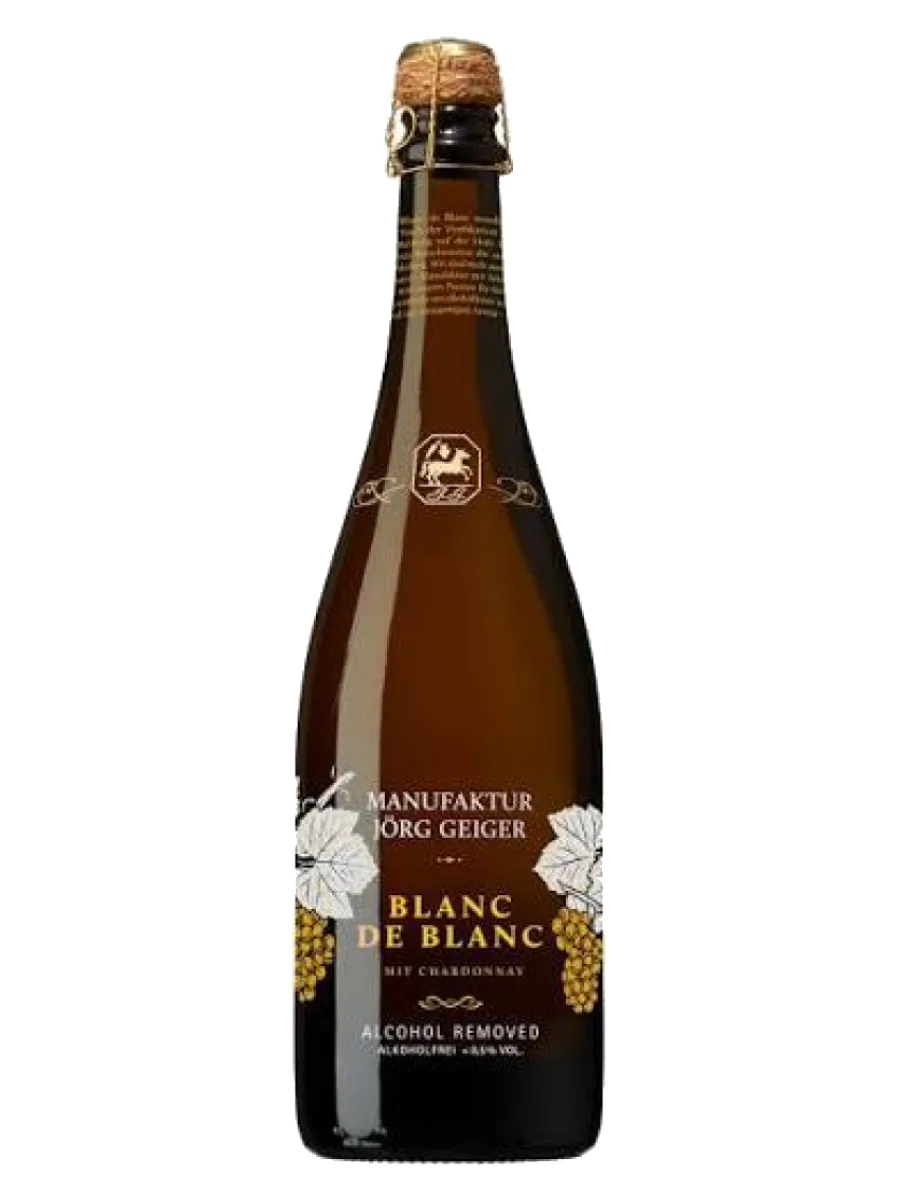
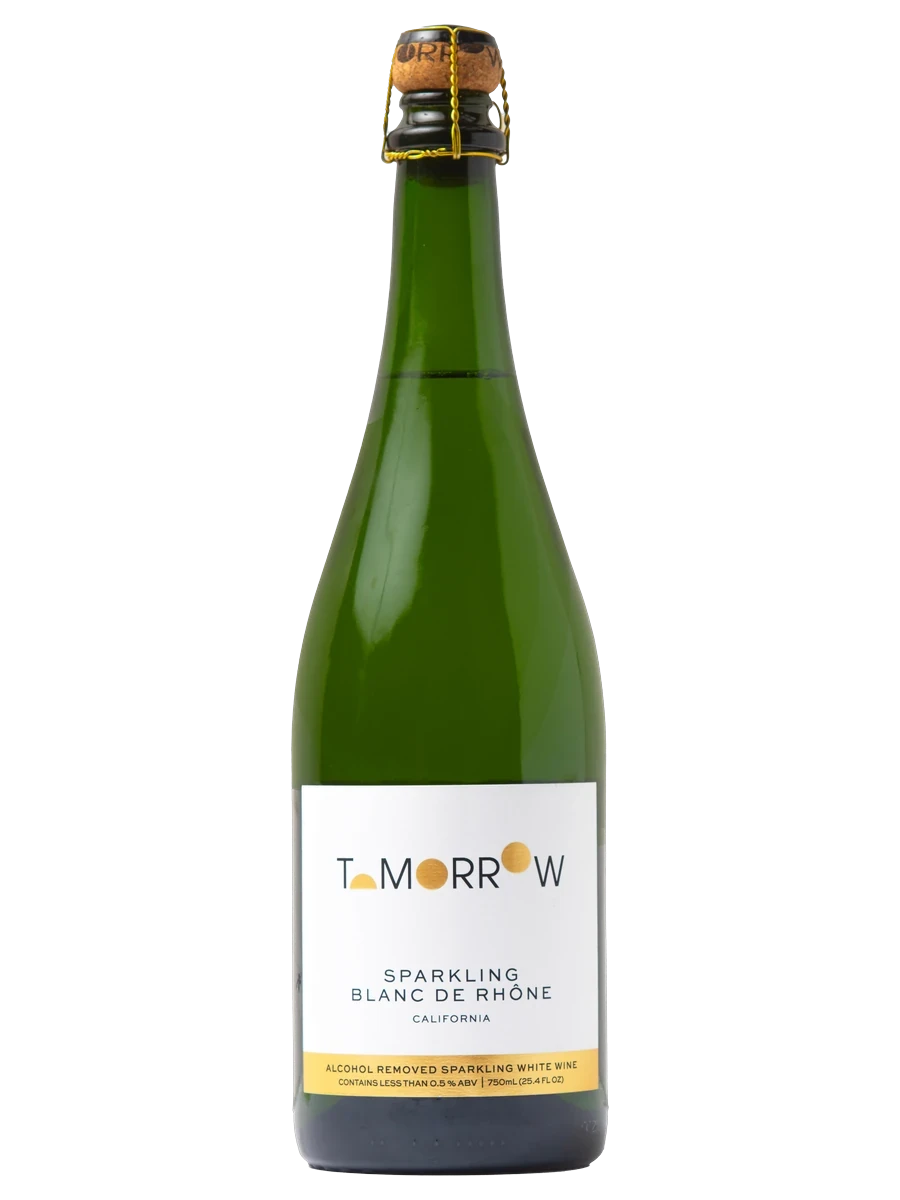
2 Tomorrow Cellars
Sparkling Blanc de Rhône
Research record
Remove Tomorrow Cellars Sparkling Blanc de RhôneThe short version
Where they differ
No clear differences in the assessed structure or declared production facts. Check the tasting notes and evidence below for a fuller picture.
Structure, side by side
From our tastings. Each mark shows an assessed level, with the same scale for every bottle.
Sweetness
1Jörg GeigerNot assessed
2Tomorrow CellarsNot yet tasted
Body
1Jörg GeigerNot assessed
2Tomorrow CellarsNot yet tasted
Acidity
1Jörg GeigerNot assessed
2Tomorrow CellarsNot yet tasted
| Field | ||
|---|---|---|
| Taste | ||
| Record Differs | Tasted | Research record |
| Score Differs | 87/100 |
Research record |
| Verdict | Jörg Geiger's Blanc de Blanc is organic Chardonnay and Colombard, bottle-fermented and aged two years on the lees before vacuum distillation: brioche, apple,… | Research record |
| Flavor Differs | Bready | Research record |
| Sweetness Differs | — | Research record |
| Body Differs | — | Research record |
| Acidity Differs | — | Research record |
| Likeness | Lees-aged blanc de blancs, not fruit soda. Brioche and baked apple over a fine mousse, with a toasty finish that outlasts the fruit. The extra mid-palate weight is what makes it read as wine. | Research record |
| Product facts | ||
| Origin | Germany | Mokelumne River AVA, Lodi, California, United States |
| Price Differs | $30+ | $20–$29 |
| Evidence | ||
| Verification Differs | Producer documented | Bottle verified |
| Sources | 5 sources | 9 sources |
| Last verified | 2026-10-07 | 2026-10-20 |