
The cellar
Compare bottles
Find the differences that matter to your glass. Compare flavor, structure, alcohol, and how each bottle was made.
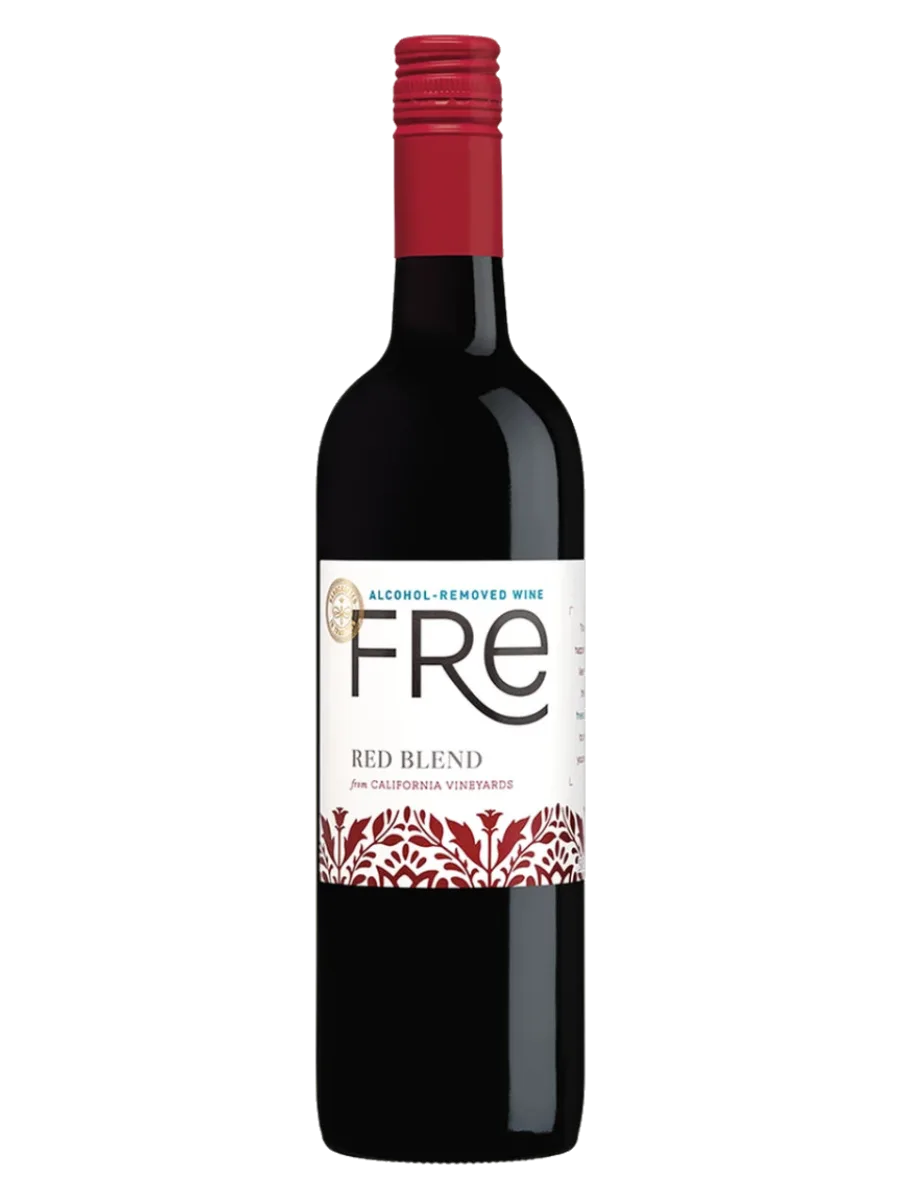
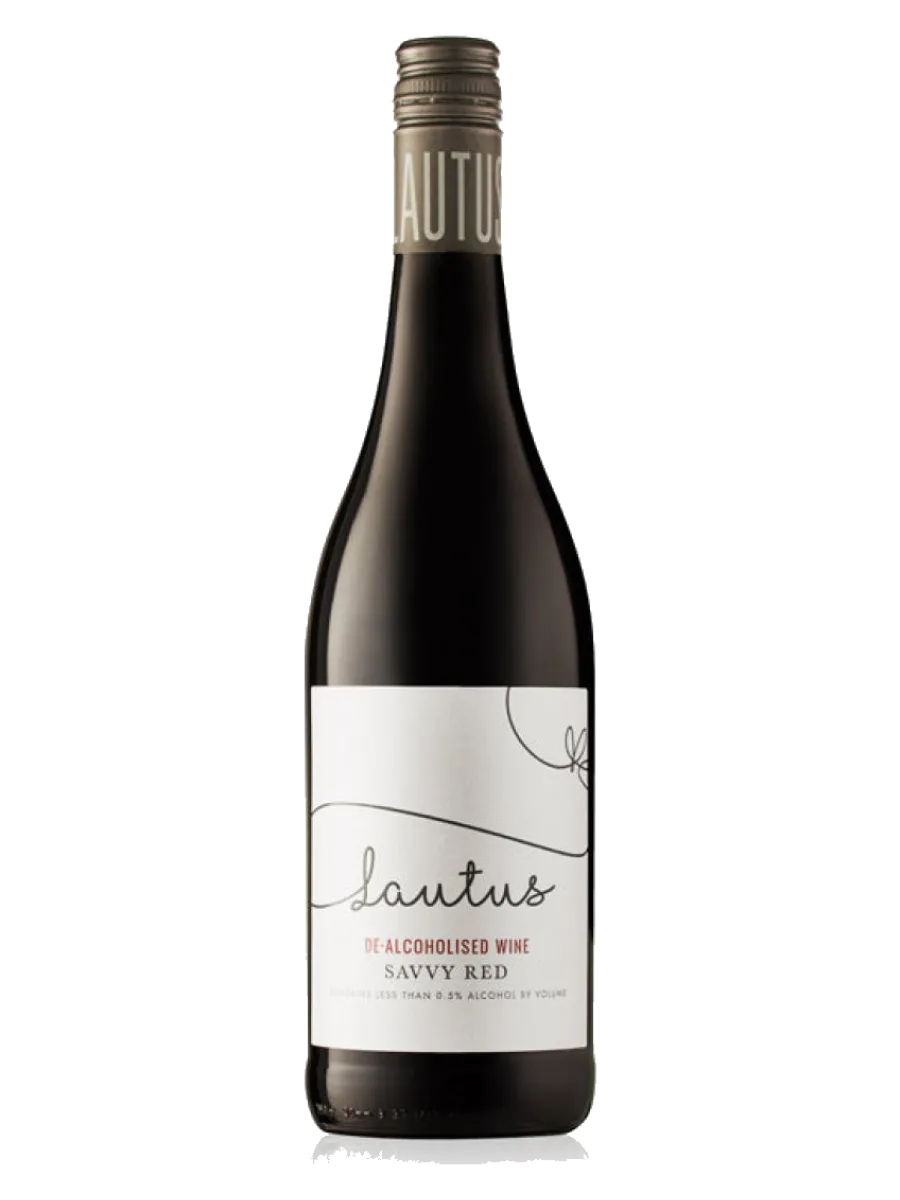
The short version
Where they differ
No clear differences in the assessed structure or declared production facts. Check the tasting notes and evidence below for a fuller picture.
Structure, side by side
From our tastings. Each mark shows an assessed level, with the same scale for every bottle.
Sweetness
1FreNot assessed
2LautusDry
Body
1FreNot assessed
2LautusLight body
Acidity
1FreNot assessed
2LautusModerate acidity
Look closer
The full comparison
Hiding 8 matching fields. Show every field
Blank and undeclared values are missing evidence. They are not treated as the same.
| Field | ||
|---|---|---|
| Taste | ||
| Score Differs | 79/100 |
82/100 |
| Verdict | Black cherry and plum lead a rounded red with soft tannins, tart cherry, and a lightly drying grape-skin finish. | A light Western Cape red blend that keeps blackberry and plum in check, with fine tannin and a dry oak shadow — then exits sooner than you want. |
| Flavor Differs | — | Blackberry, Plum, Oak, Spice, Red berry |
| Sweetness Differs | — | Dry |
| Body Differs | — | Light body |
| Acidity Differs | — | Moderate acidity |
| Likeness | — | High for a nonalcoholic red: blackberry, plum, and oak stay in a wine register rather than a juice one. |
| Product facts | ||
| Origin | California, United States | Western Cape / Olifants River Valley (Vredendal), South Africa |
| Evidence | ||
| Sources | 8 sources | 5 sources |
| Last verified | 2026-10-07 | 2026-10-03 |