
The cellar
Compare bottles
Find the differences that matter to your glass. Compare flavor, structure, alcohol, and how each bottle was made.

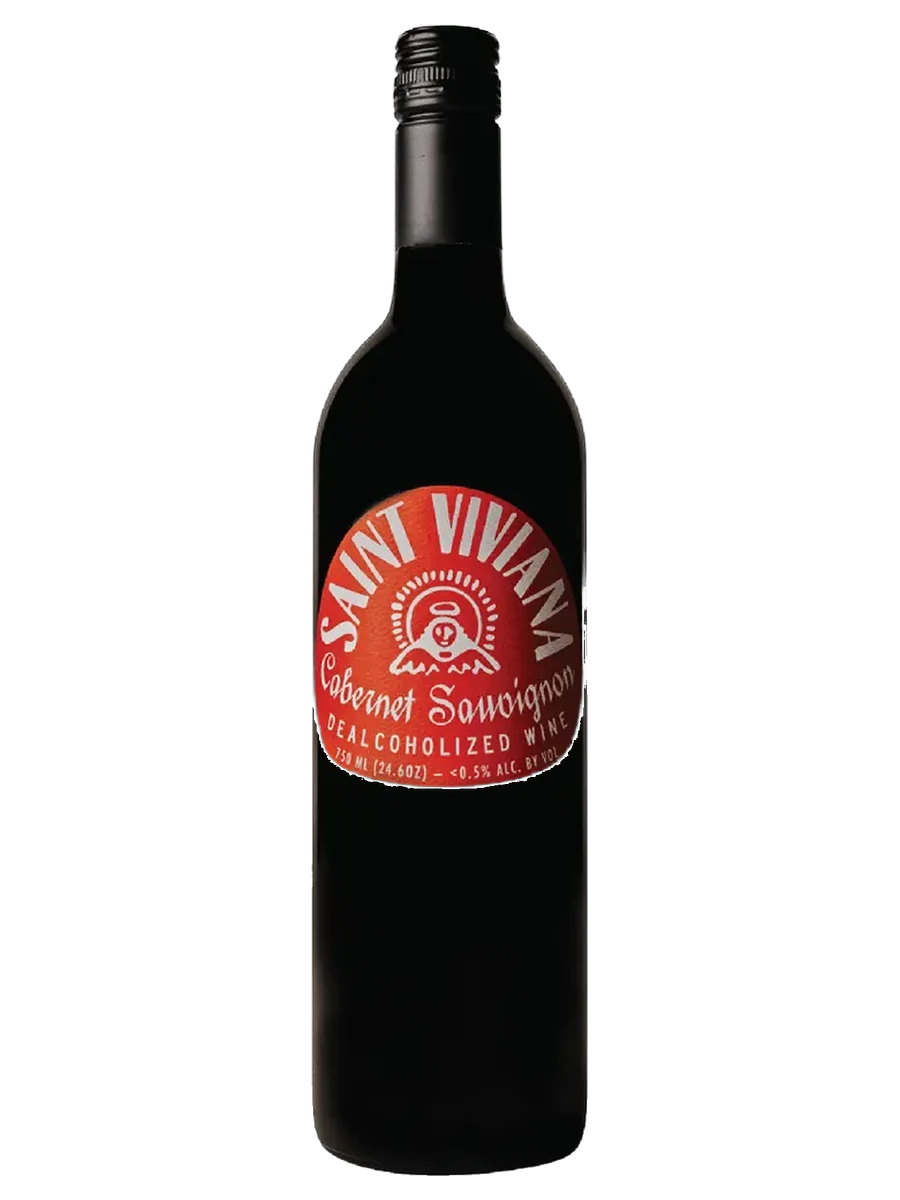
The short version
Where they differ
Sweetness
- Bottle 1Medium-sweet
- Bottle 2Dry
Body
- Bottle 1Light body
- Bottle 2Medium body
Flavor profile
- Bottle 1Blackberry, Dark fruit
- Bottle 2Cherry, Plum, Blackberry, Oak
Structure, side by side
From our tastings. Each mark shows an assessed level, with the same scale for every bottle.
Sweetness
1Be FreeMedium-sweet
2Saint VivianaDry
Body
1Be FreeLight body
2Saint VivianaMedium body
Acidity
1Be FreeModerate acidity
2Saint VivianaNot assessed
Look closer
The full comparison
Hiding 8 matching fields. Show every field
Blank and undeclared values are missing evidence. They are not treated as the same.
| Field | ||
|---|---|---|
| Taste | ||
| Score Differs | 79/100 |
84/100 |
| Verdict | Soft blackberry, gentle acidity and low tannin make an approachable Cabernet. The smooth, light-bodied sip lacks mid-palate concentration, and the fruit fade… | A dry, tannic Cabernet in a category that usually sweetens. Dark cherry, plum, and blackberry on an expressive nose, light oak behind them, and a structured… |
| Flavor Differs | Blackberry, Dark fruit | Cherry, Plum, Blackberry, Oak |
| Sweetness Differs | Medium-sweet | Dry |
| Body Differs | Light body | Medium body |
| Acidity Differs | Moderate acidity | — |
| Likeness | Black fruit, acidity and mild tannin give it a recognizable red-wine structure, though concentration and persistence are limited. | The nose is the more complete Cabernet. The palate has the dryness and the tannin, and it is lighter-bodied than a conventional one. |
| Product facts | ||
| Origin | Germany | Paso Robles, California, United States |
| Evidence | ||
| Sources | 4 sources | 6 sources |
| Last verified | 2026-10-04 | 2026-10-24 |